Kremlin says Ukraine is widening war to Mediterranean, Baltic
Dmitry Peskov said Kyiv was spreading the war after drone strikes on Russian vessels off Libya and in the Gulf of Finland.
 By Henrik LindqvistEurope correspondent 1 min read
Moscow — The Kremlin on Thursday accused Ukraine of trying to expand its war with Russia into the Mediterranean and Baltic seas, describing recent Ukrainian drone strikes on Russian-linked vessels far from the battlefield as potentially very dangerous actions by Kyiv.
The accusation, reported by The Hindu, came a day after U.S. President Donald Trump and NATO Secretary General Mark Rutte issued a joint statement following a meeting in Florida, saying Russia should avoid actions that expand the full-scale war it launched in 2022. Their intervention appeared to be a warning to Moscow to think twice about how it retaliates against Kyiv over attacks on Russian interests far from the conflict zone.
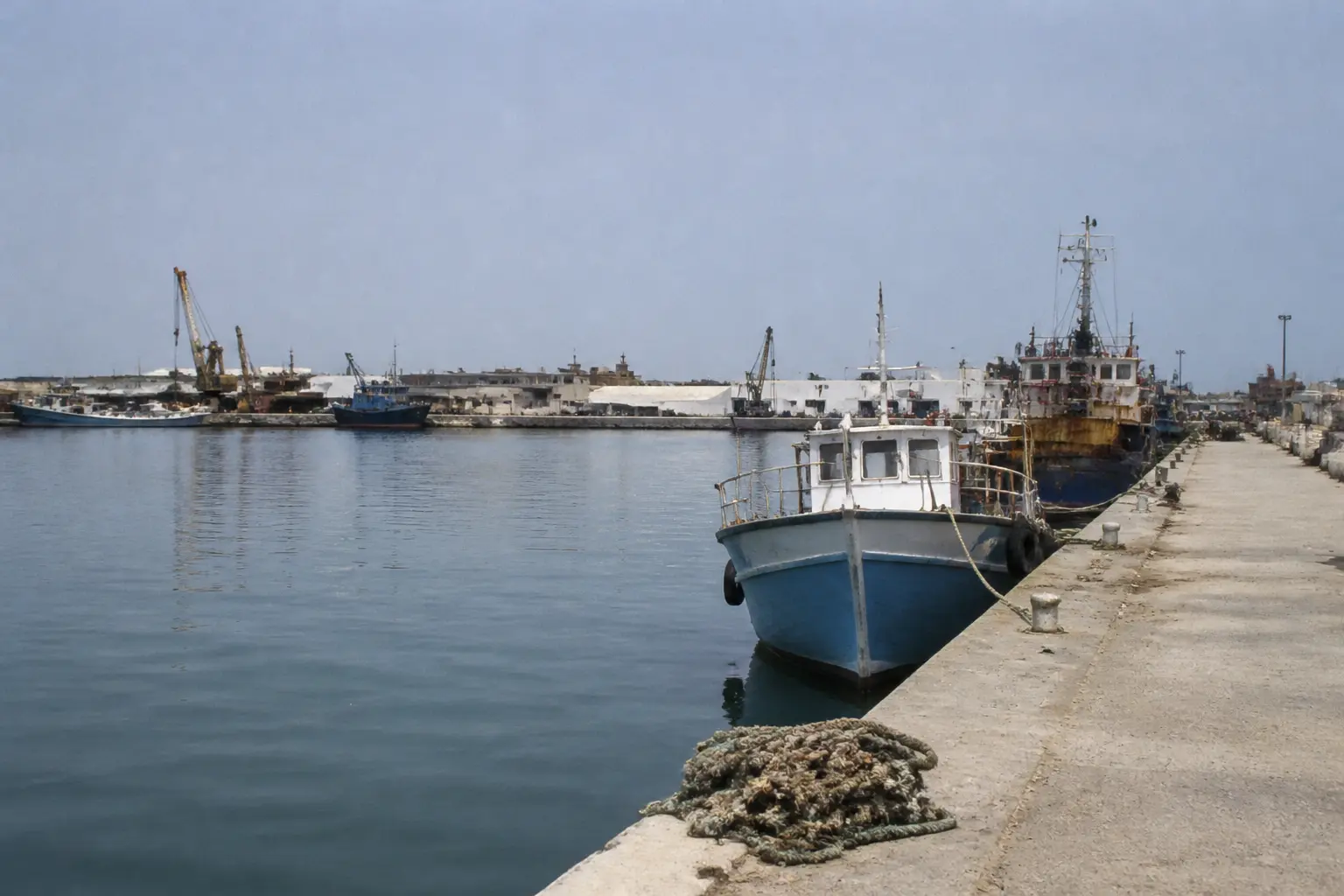
Those attacks are substantial. Ukraine sank a Russian naval corvette in a Libyan port using maritime drones on Sunday, a day after a drone strike on a Russian military-linked cargo ship in the Gulf of Finland. Kyiv has confirmed the naval drone operation off Libya.
Speaking to reporters on a conference call, Kremlin spokesman Dmitry Peskov characterised the strikes as terrorist activity by Kyiv in the Mediterranean and the Baltic, and said they could not fail to cause concern among coastal states and, most likely, within the NATO alliance as a whole.
Mr. Peskov said nobody wanted the conflict to spread geographically, but placed responsibility for any widening on Kyiv rather than Moscow — a neat inversion of the warning issued from Florida the previous day.
The strikes have drawn unease well beyond Moscow. Libyan authorities condemned Ukraine's actions, while Italy told Kyiv it was wrong to attack Russian ships in Libyan waters and warned it not to spread the war to new areas. Norway, a strong supporter of Kyiv, urged caution in any Baltic Sea operations and stressed the need to maintain stability in areas close to it.
What happens next turns on two things: whether Russia acts on its retaliation threats despite the Trump-Rutte warning, and whether NATO's coastal members raise the incidents formally within the Alliance. Neither had been announced as of Thursday evening.
Sources
This article is based on reporting from: