Vance and Rubio meet Qatari PM as Iran uncertainty grows
Qatar's prime minister held separate White House talks as allies in the Gulf wait for President Trump to signal his next move in the Iran conflict.

Washington — US Vice President J.D. Vance and Secretary of State Marco Rubio held separate meetings in Washington on Monday with Qatar's prime minister, Sheikh Mohammed bin Abdulrahman bin Jassim Al Thani, as uncertainty deepens over President Donald Trump's intentions in the nearly nine-month-old conflict with Iran, The Hindu reported.
Qatar has been a key intermediary in efforts to revive stalled negotiations on ending the war. Mr Vance met the prime minister at the White House, according to a person familiar with the meeting who spoke on condition of anonymity and gave no details. The vice president's office did not respond to a request for comment.
The talks come at an awkward moment for the administration. According to the report, Mr Trump recently told Mr Vance the government did not need a deal with Iran and instructed him to focus on fraud and crime in Democratic-led cities, after the Republican Party's heavy losses in this month's midterm elections. Mr Vance, the chief negotiator on a brief ceasefire agreement, has blamed voter unhappiness with the Iran war for those losses.
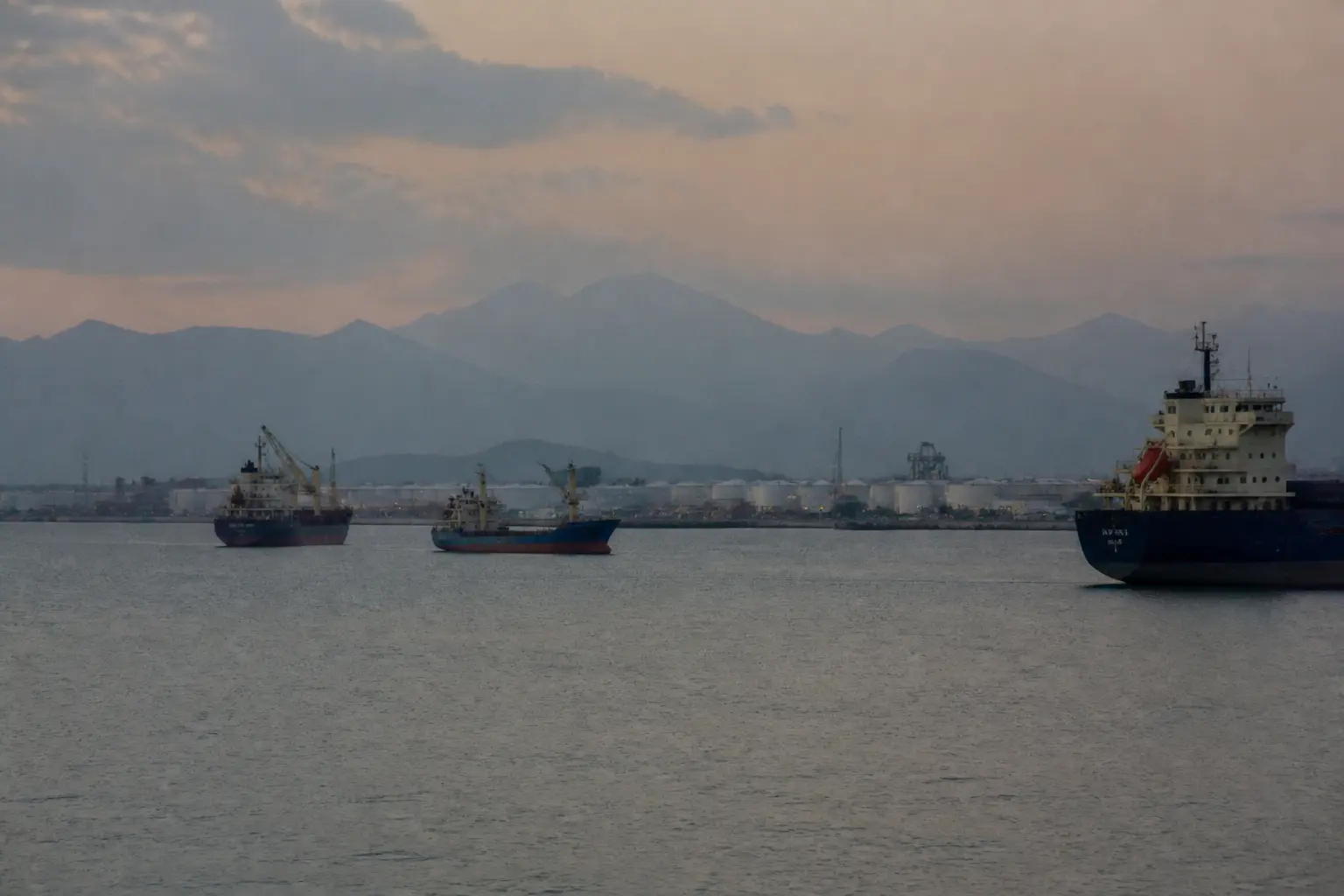
On the ground, sporadic military action continues on both sides, and the US has maintained a naval blockade on Iranian shipping in the Strait of Hormuz, a crucial waterway for the global energy trade. Mr Trump has said he sees no need to resume major operations, and declared after meeting the Qatari prime minister earlier this month that the war "militarily is effectively over." But at a White House news conference on Friday he said Tehran wants an end to hostilities only on terms not "acceptable" to him, insisting that "we want to make a real deal, not a fake deal."
Mediators have been pushing proposals that would lift disruptions in the Strait of Hormuz in exchange for limited sanctions relief for Iran, paving the way for broader negotiations to include Tehran's nuclear programme. Iranian officials have said Qatari mediators visited Tehran as part of those efforts, while US allies in the region have grown increasingly fearful of a return to all-out war.
The prime minister was in Washington for a biannual session of the US-Qatar Strategic Dialogue with Mr Rubio. The State Department said Mr Rubio "expressed appreciation for Qatar's global mediation efforts" and stressed close coordination to promote stability across the Middle East. A joint statement cited "shared policy priorities" from West Asia to Africa and Latin America, but revealed no new policy directions.
For now, the region's governments and shipping firms are left waiting for the same thing: a clear signal from Mr Trump on whether he intends to negotiate, maintain the blockade, or return to open conflict.
Sources
This article is based on reporting from: