Washington set to unveil tariffs after excess-capacity probe
The Trump administration is poised to propose new duties on goods from 16 trading partners, part-replacing tariffs struck down by the Supreme Court in February.
 By Henrik LindqvistEurope correspondent 2 min read
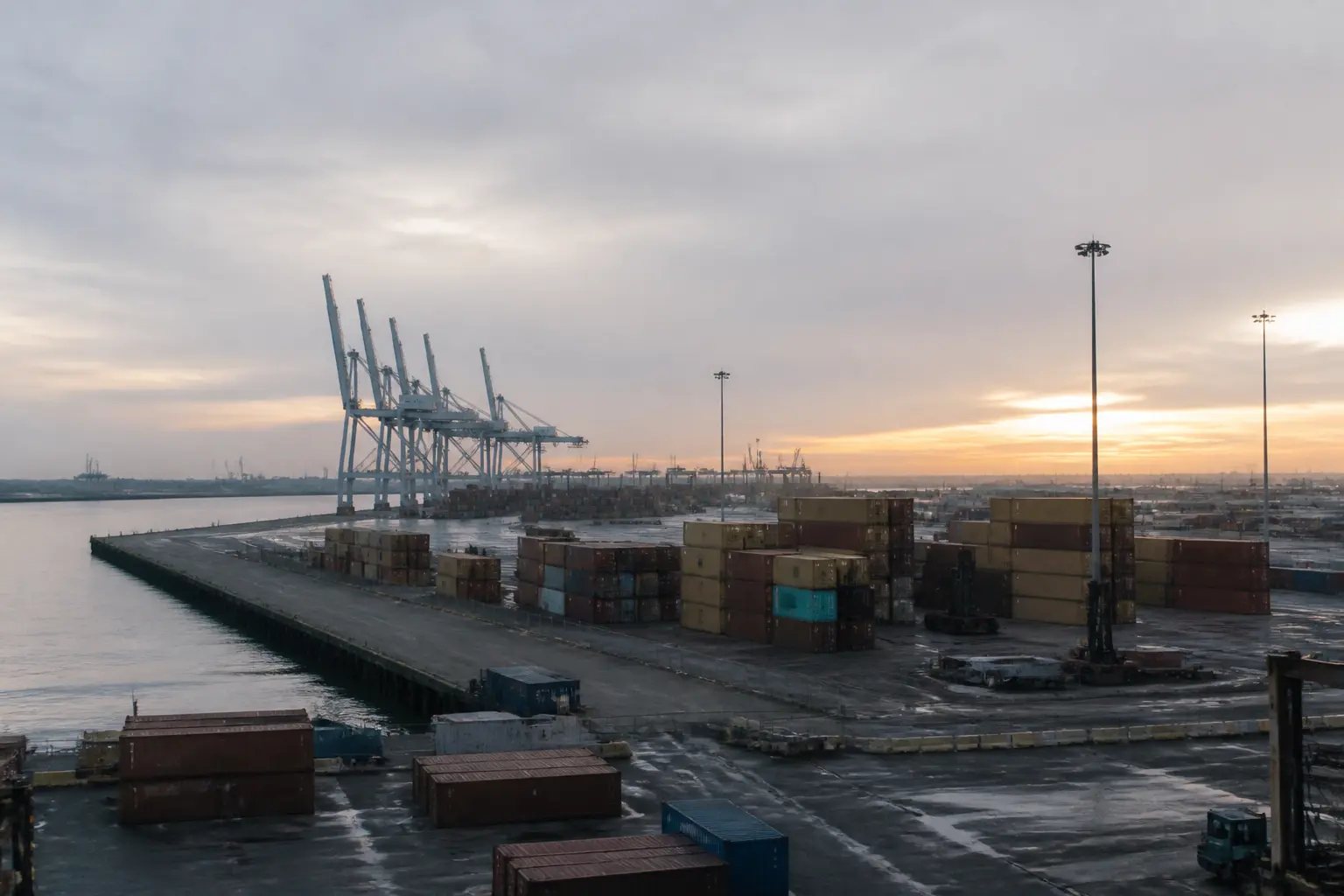
Washington — The Trump administration is poised to release, imminently, the findings of an investigation into alleged excess industrial capacity in 16 major trading partners, three people with knowledge of the matter said on Tuesday. New import duties on a wide range of goods are expected to follow, according to The Japan Times.
The Office of the US Trade Representative is expected to propose duties that stack on top of tariffs already imposed during President Donald Trump's second term. They would partly replace levies struck down by the Supreme Court in February — the so-called "Liberation Day" tariffs the administration has been rebuilding ever since. USTR launched the excess-capacity probe in March under Section 301 of the Trade Act of 1974, alongside a separate investigation into lax enforcement of anti-forced-labour laws in 59 countries and the European Union.
The countries covered include China, India, Japan, South Korea, Vietnam, Taiwan, Thailand, Indonesia, Singapore, Bangladesh and Cambodia, as well as the EU. Goods from Mexico and Norway are unlikely to face immediate levies, one of the people said, and Washington is expected to honour capped rates agreed in finished trade deals: 15% for the EU, Japan and South Korea, 19% for Malaysia, The Hindu reported.
What the rates will be is not yet known. Ryan Majerus, a former senior Commerce Department trade official now at King & Spalding, said he expected a lengthy report with differentiated remedies per country — possibly rates of 15% to 25% where excess capacity is found, stacked on existing anti-forced-labour duties of 10% or 12.5%. Alternatively, he said, the administration could propose lower rates with escalation clauses that ratchet upward unless partners curb production.
China sits at the centre of the case. Washington accuses it of flooding global markets with steel, aluminium, electric vehicles and solar products; Beijing rejects the charge, saying its exports reflect competitive advantages. A trade truce capping second-term tariffs on Chinese goods at 20% expires on January 10; if it lapses, the Chinese excess-capacity rate would rise higher. USTR and the White House did not respond to Reuters' queries.
The politics are awkward. A Reuters/Ipsos poll after November's midterm elections found 62% of respondents would support repealing the tariffs, which have contributed to higher consumer prices. For now, the announcement remains a proposal expected as soon as Tuesday afternoon. The next fixed point is January 10: whether the China truce is extended will determine what Beijing actually pays.
Sources
This article is based on reporting from: