Ebola cases in DR Congo pass 11,000 as deaths reach 5,387
Government figures show 11,042 confirmed cases and 5,387 deaths in the DRC's largest Ebola outbreak, driven by the rare Bundibugyo strain.

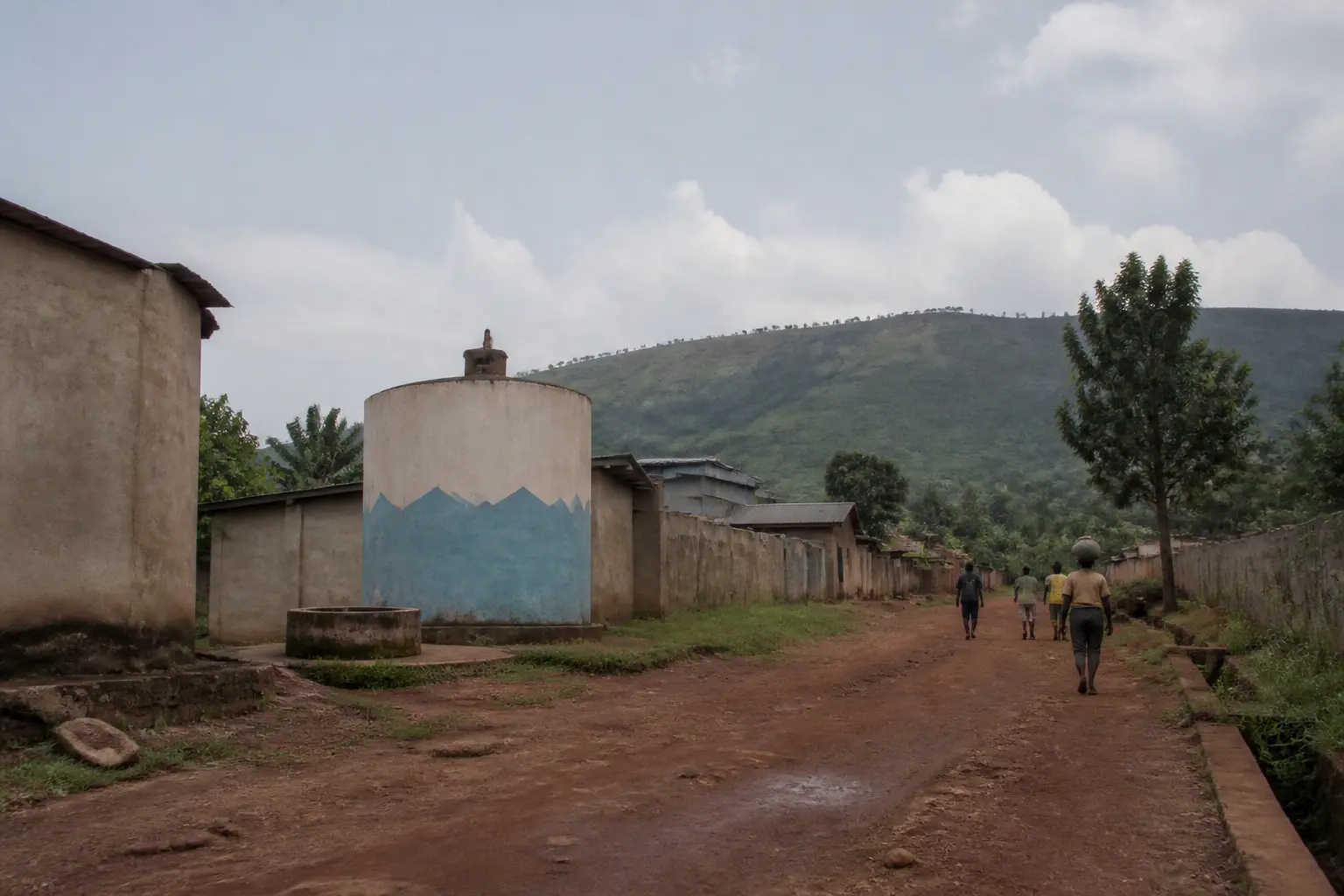
Confirmed Ebola cases in the Democratic Republic of the Congo have passed 11,000, with at least 5,387 people dead, according to government data released on Tuesday. It is the largest and deadliest Ebola outbreak in the country's history, Al Jazeera reported.
The figures put this outbreak behind only the 2014-2016 West African epidemic, which infected more than 28,600 people and killed more than 11,000, as the deadliest on record. The virus here is the rare Bundibugyo strain, which kills about half of those it infects.
Eight of the DRC's 26 provinces have been affected, and many deaths have occurred outside treatment centres. Delayed detection, conflict and strained health services have allowed the virus to spread more rapidly than in previous outbreaks, according to the report. Cases have now been recorded in East, Central and West Africa — the widest geographic spread of any Ebola outbreak on the continent to date.
Containment has been made harder still by the absence of any vaccine or treatment developed specifically for the Bundibugyo strain. Earlier this month, the World Health Organization approved clinical trials of two new Ebola vaccines and said it expected results in early 2027.
The outbreak is unfolding in a country already under severe strain. In the east, where treatment centres have long operated alongside armed conflict, an armed raid recently killed at least 33 people in a village in the Ebola-hit region, complicating the work of health teams trying to trace contacts and isolate the sick.
For the families burying their dead outside the treatment centres, the immediate wait is a practical one: for detection to come faster, for vaccines that match this strain, and for the first trial results the WHO says will not arrive before next year.
Sources
This article is based on reporting from: