Iran readies tankers at Kharg Island to challenge US blockade
More than 14 tankers are crewed and flagged at Iran's main oil terminal as CENTCOM warns blockade runners may be boarded or seized.

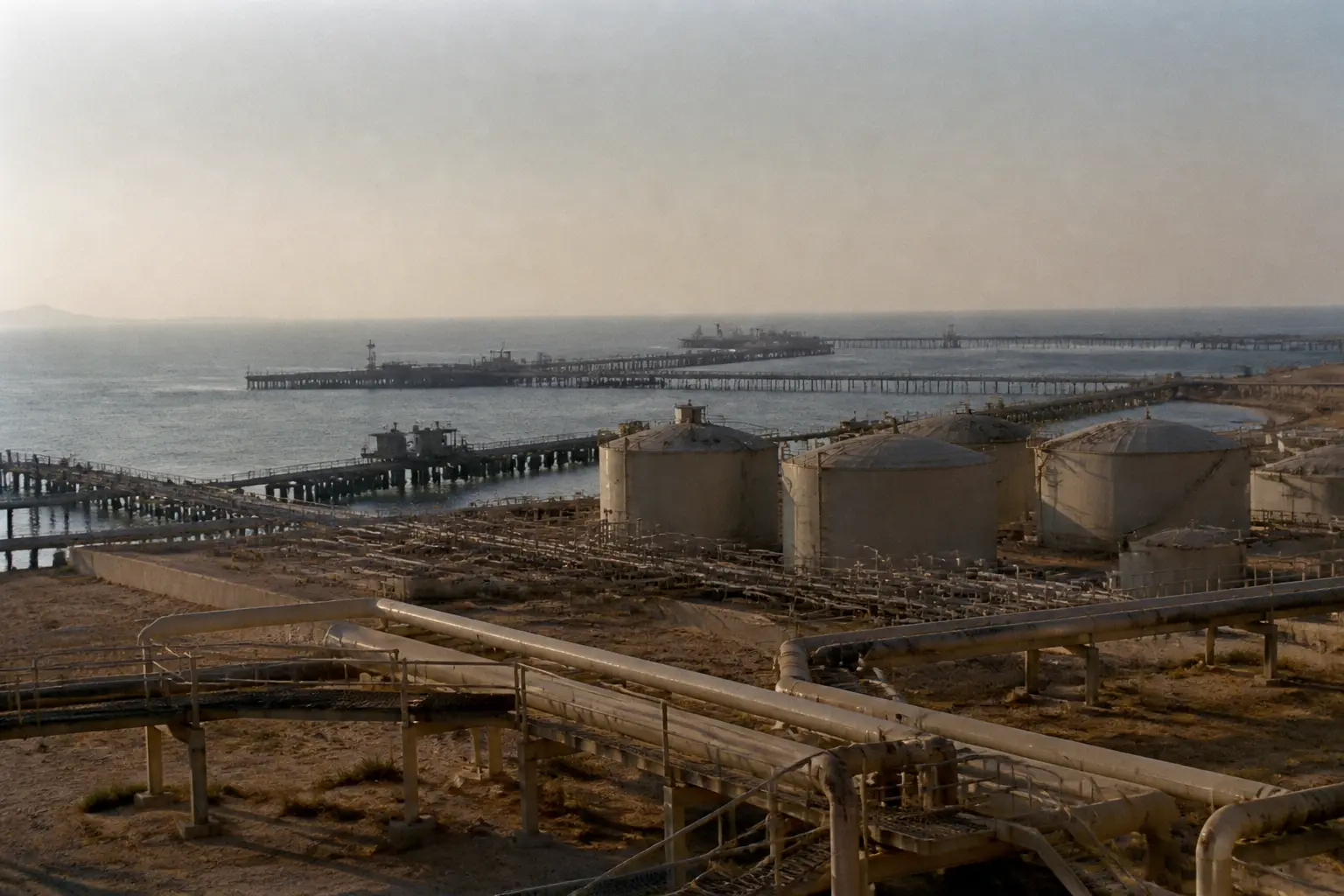
Kharg Island — Iran has positioned more than 14 oil tankers at Kharg Island, its main crude export terminal, in what satellite imagery and ship-tracking data suggest is a convoy preparing to challenge the US naval blockade of its oil exports. Crews have been assigned, Iranian flags raised, and the vessels are expected to head toward the Sea of Oman in the coming days, Euronews reported.
Ship-tracking firm TankerTrackers said the available data confirmed Iran was resuming oil exports. International media also reported on Thursday that an Iranian crude cargo had already been moved between two tankers in the Gulf near Kharg Island, with automatic identification systems switched off to conceal the oil's origin. Israel's Channel 14 and Sabereen News, an outlet close to Iran-backed armed groups, said dozens of tankers were preparing to sail towards China. Iranian authorities have not confirmed the reports.
Washington has moved to close the loophole. US Central Command said on Wednesday that any vessel receiving cargo from a ship loaded at an Iranian port or coastline could be treated as evading the blockade. Such ships, it said, "may be stopped, boarded, diverted, captured, or directed to proceed to the Iranian port where the cargo originated" — with enforcement action, including force, for those that refuse to comply. The blockade was first imposed on April 13, lifted in June under an understanding with Tehran, and reinstated on July 14 after that agreement collapsed.
Tehran has not answered the advisory directly. But Iran's semi-official Fars News Agency published a commentary proposing that a group of tankers break out of the blockade, warning that any interference could bring retaliation against regional energy infrastructure, "especially UAE oil". Earlier this month, IRGC spokesman Brigadier General Hossein Mohebi told Fars that "America can never achieve the type of economic blockade it's after", adding that if US forces struck Iranian vessels, "we'll hit harder."
Analysts caution against reading the Fars commentary as an operational order. "Sending tankers to challenge American forces could be designed to create a confrontation rather than simply deliver oil," Andreas Krieg of King's College London told Al Jazeera. Iran, he said, cannot break the blockade militarily — "the Americans possess overwhelming naval superiority" — but can make policing every transfer politically and economically costly. Oil accounts for around 30 percent of Iran's economy, according to his colleague Rob Geist Pinfold, and there is speculation exports could soon fall to zero.
The stakes stretch well beyond Iran. Before the war, about 20 percent of the world's oil passed through the Strait of Hormuz, which Tehran has now de facto closed in retaliation. Krieg warned that an American attack on an Iranian tanker could trigger strikes on Gulf energy infrastructure — and that "an operation intended to test American resolve becomes the trigger for another full-scale regional war." For now, tanker crews at Kharg and shipping firms across the Gulf are waiting to see whether the convoy sails, and what the US Navy does when it does.
Sources
This article is based on reporting from:
- Al Jazeera US targets Iran’s ship-to-ship transfers: Can Tehran break the blockade? | US-Israel war on Iran News | Al JazeeraplayShow navigation menuplaysearchcaret-leftcaret-rightListenshare-nodesfacebookxwhatsapp-strokecopylinkgoogleinfoaj-logoaj-logoaj-logofacebooktwitteryoutubeinstagram-colored-outlinerssblueskytiktok-colored-outline
- Euronews Iran readies tanker convoy at Kharg Island to test US oil blockade | EuronewsNewsletterEventsLoaderNewsletterEventsLoaderSearch