Estonia to close Russia border on 1 December 'to secure Europe'
Foreign Minister Margus Tsahkna confirmed the move during a visit to Baku, citing what he called a rise in Russian sabotage and attacks on Europe.
 By Henrik LindqvistEurope correspondent 1 min read
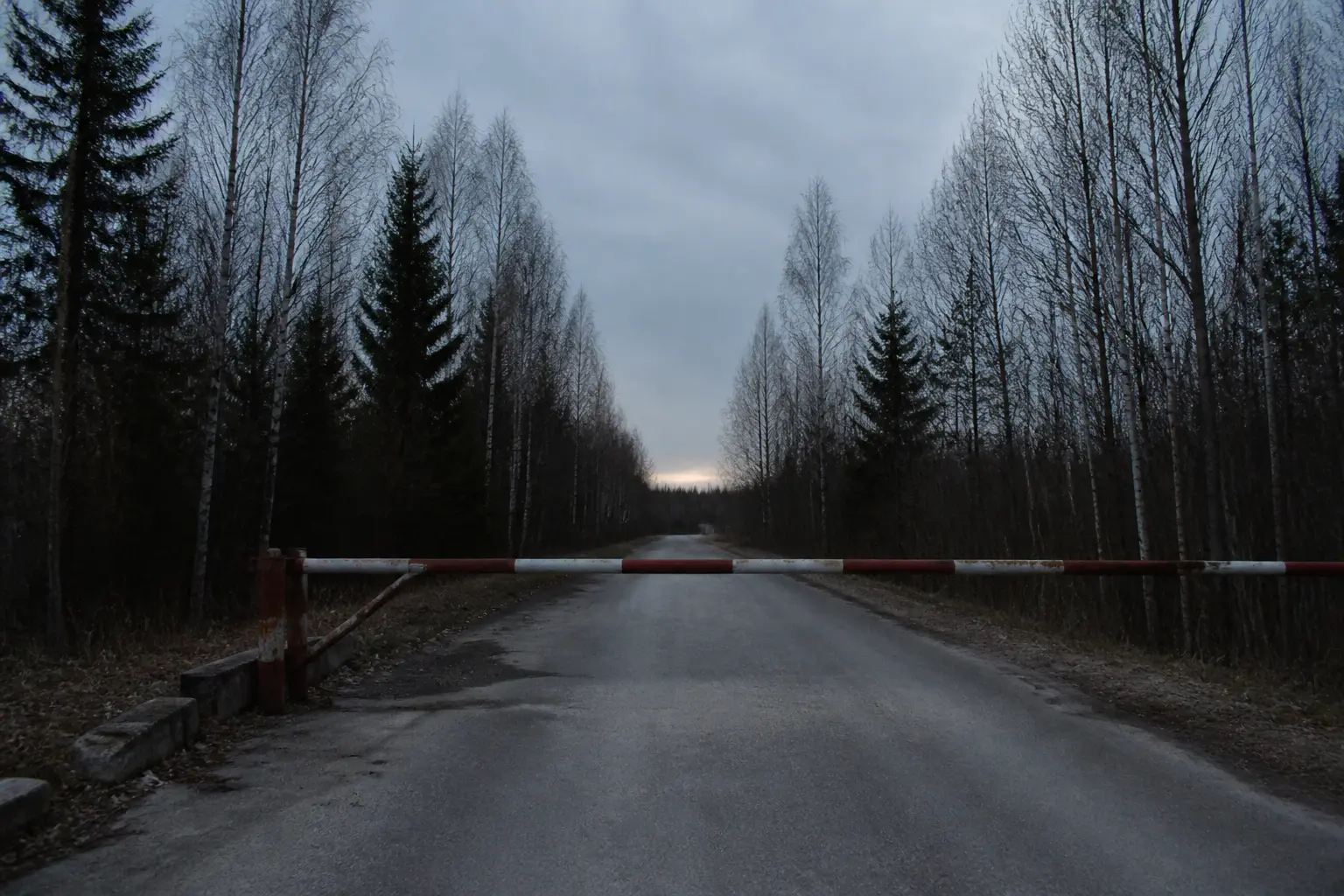
Baku — Estonia will close its border with Russia on 1 December, Foreign Minister Margus Tsahkna confirmed on Friday, framing the move as a contribution to European security rather than a bilateral dispute.
Speaking to reporters at the opening of Estonia's new embassy in the Azerbaijani capital, Tsahkna said his country was acting in response to what he described as an increase in Russian sabotage and attacks targeting Europe. Euronews reported that he presented the closure as reluctant but necessary.
"We are not happy about that, but we need to respond and we need to secure Europe as well," Tsahkna said, according to Euronews.
Estonia, a NATO and EU member, shares a land border with Russia. The announcement sharpens a confrontation that Moscow has already cast in stark terms: Russia has previously warned Tallinn it was on the verge of what it called "open war" over the border. Tsahkna gave no further details on the mechanics of the closure in the remarks carried by Euronews.
The minister made the announcement while in Baku to open Estonia's embassy, part of a diplomatic push into the South Caucasus that included an embassy in Armenia earlier this year. After meeting President Ilham Aliyev, he said the EU wanted more practical, long-term cooperation with Azerbaijan on trade, energy and connectivity, and that "Estonia definitely supports the visa liberalisation process between Azerbaijan and the European Union."
Tsahkna said he had arrived in Baku directly from Kyiv, where on his last night the city "was under heavy ballistic missiles attacks." He thanked Azerbaijan for humanitarian aid to Ukraine that has reportedly exceeded $50 million (€45.6 million); Estonia will co-host next year's Ukraine Recovery Conference. The immediate marker to watch is 1 December itself: whether the closure takes effect as announced, and how Moscow responds.
Sources
This article is based on reporting from: