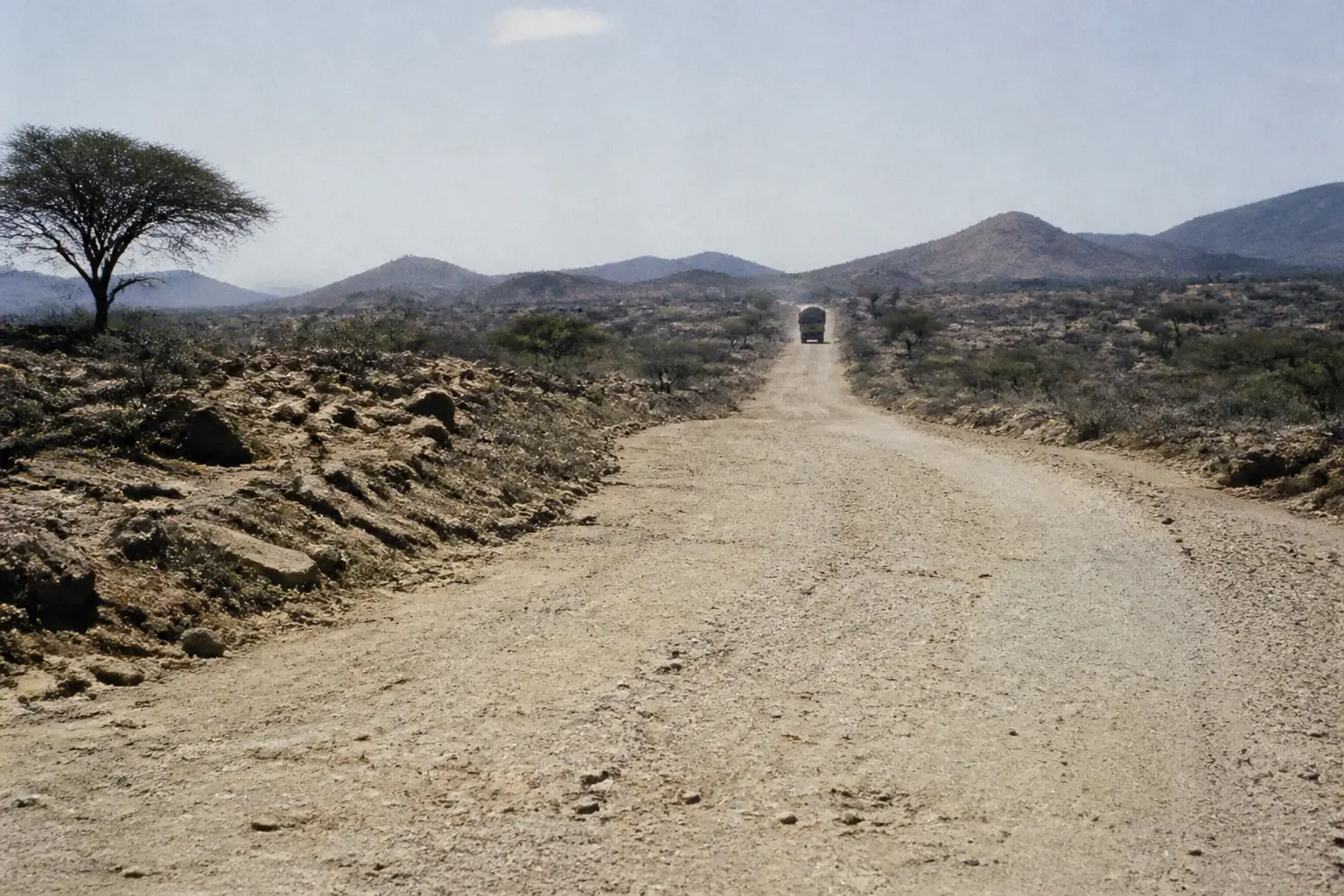
Ethiopia-Eritrea border clashes raise fears of wider war
Ethiopian forces have pushed Tigrayan fighters toward Eritrea's border, with artillery fire reported near Badme and ties with Sudan at a new low.

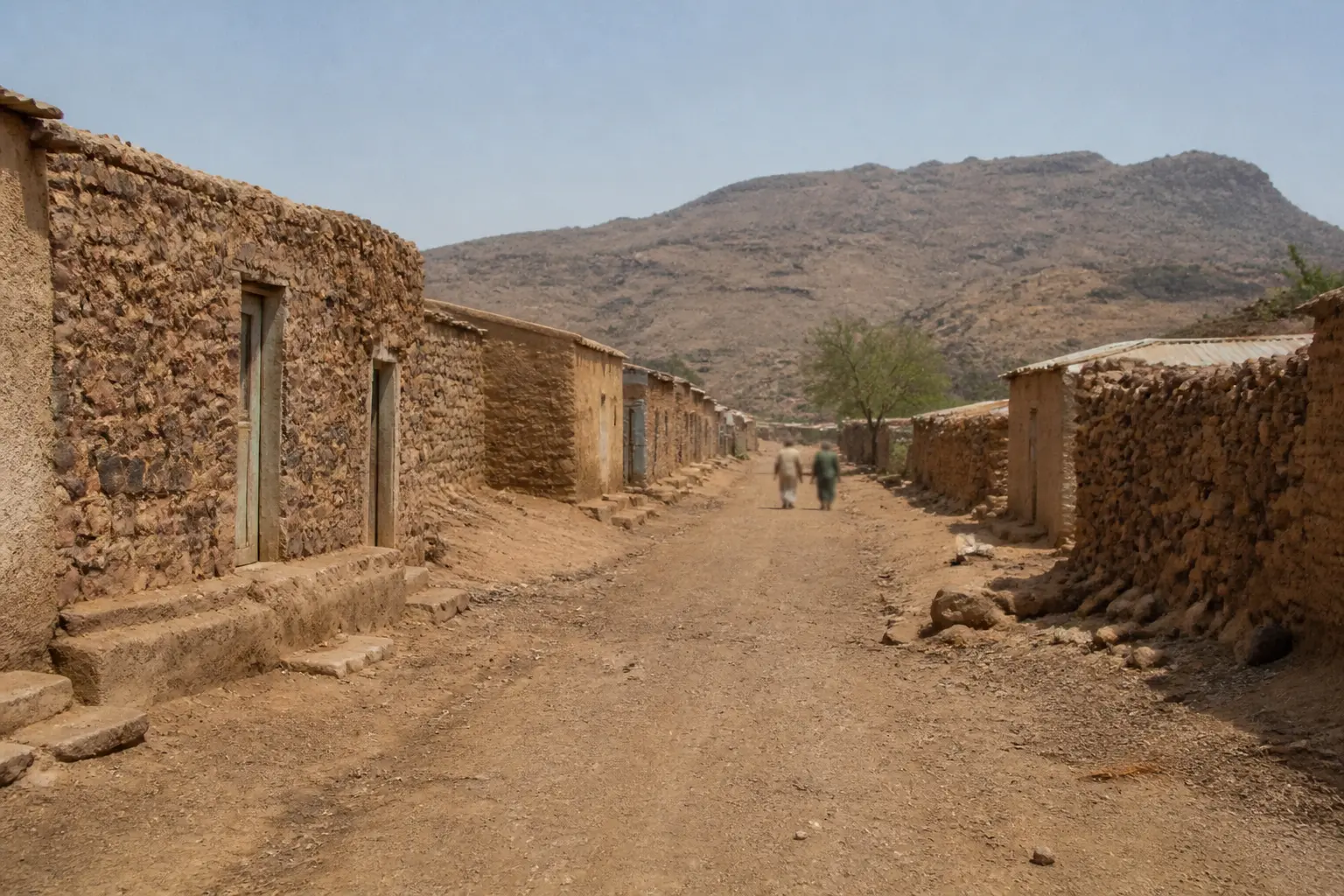
Badme — Fresh clashes along the contested Ethiopia-Eritrea border have raised fears of a full-scale war in the Horn of Africa, after weeks of relative calm. Ethiopian federal troops, backed by pro-government militia, have pushed Tigrayan forces out of Tigray and toward the Eritrean frontier, with heavy artillery reportedly fired near the border town of Badme, DW reported.
Fighters allied with the Tigray People's Liberation Front (TPLF) launched their offensive on September 23, aiming to overthrow the government in Addis Ababa as part of a wider rebel coalition. Instead, the Ethiopian National Defense Forces have steadily driven them back. According to the conflict tracker of the monitoring organisation ACLED, the Tigrayan Defense Forces are now being pushed towards Eritrea, with skirmishes reported at several locations.
Badme carries a heavy history. It was the flashpoint of the 1998-2000 Eritrean-Ethiopian War, sometimes called the Badme War, which ended with the Algiers Agreement. A boundary commission awarded the town to Eritrea, a ruling Ethiopia challenged at times. Abdurahman Sayed, director of the London-based Horn of Africa Center for Regional Integration, told DW that retaking Badme could help Addis Ababa win over Tigrayans, "especially those who are now supporting the party in power in Ethiopia".
The alliances here have shifted sharply. Eritrean and Ethiopian troops fought side by side against Tigrayan forces in the 2020-22 Tigray war; since then, Asmara has moved towards the TPLF, and in October the two neighbours cut diplomatic ties. Eritrean troops reportedly crossed into Tigray at one point. Magnus Taylor of the International Crisis Group told DW that Addis Ababa's immediate aim is likely securing its northern border and severing supply lines, but warned that "the conflict can be triggered any time" — in Sayed's words — and that Ethiopia might seek to settle all its objectives in Eritrea at once.
Prime Minister Abiy Ahmed has repeatedly called landlocked Ethiopia's lack of sea access an existential threat, and has not ruled out taking Eritrea's port of Assab by force. Meanwhile ties with Sudan have hit new lows. Khartoum and Cairo have long feared the Grand Renaissance Dam on the Blue Nile; Addis Ababa rejects claims it could use the dam to pressure them. In mid-November, Sudan's warring parties accused each other of meddling in one another's conflicts, with the RSF reportedly receiving support from Ethiopia and the UAE — allegations both countries deny.
For now, analysts expect proxy entanglement rather than open war between the armies. "The most likely scenario is we just get a continuation of this kind of proxy style of involvement with each other's opposition groups," Taylor said. But for the residents fleeing border villages — many displaced to other parts of Ethiopia — the wait is for the artillery to stop, and for leaders to step back from a border that has already buried one generation's war.
Sources
This article is based on reporting from: