Iraqi forces encircle militia stronghold at Jurf al-Sakhar
Iraqi forces have encircled a Kataib Hezbollah stronghold south of Baghdad after the militia rejected a deadline to leave Jurf al-Sakhar.

Baghdad — Iraqi security forces have surrounded an area south of Baghdad controlled by the Iran-allied Kataib Hezbollah militia, in what onlookers describe as the most dangerous confrontation between the Iraqi state and Iranian-backed armed groups in decades. Prime Minister Ali al-Zaidi ordered the deployment after the militia rejected his ultimatum to leave Jurf al-Sakhar by Friday.
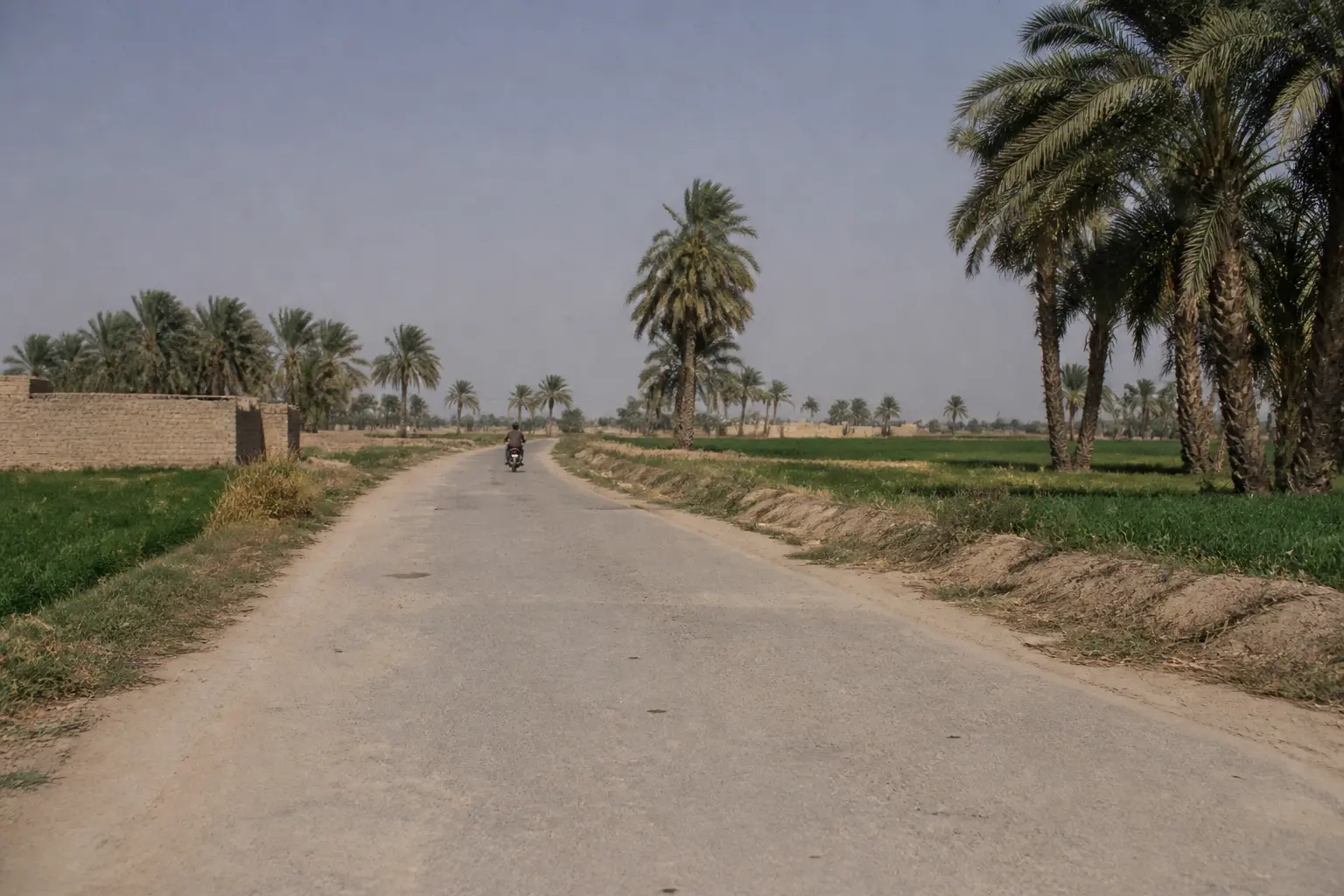
The standoff centres on an area about 50 kilometres (31 miles) from the capital, DW reported. No government troops or news media have been allowed inside for around 12 years. Rumours about what happens there include allegations of secret prisons, mass graves, drone and weapons production and oil smuggling. None of this can be independently verified.
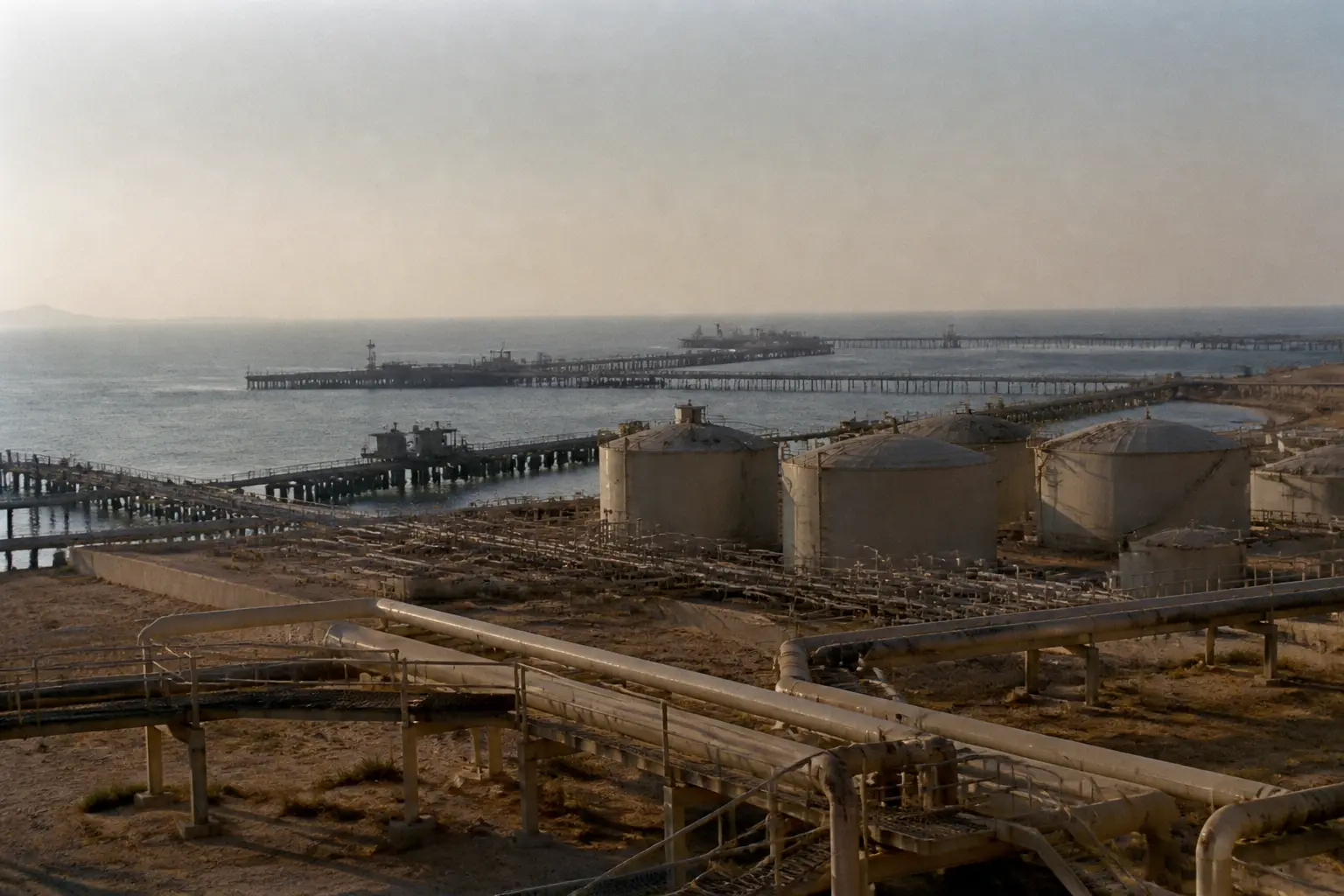
The immediate trigger was a government report this month saying that since 2021 Kataib Hezbollah has smuggled hundreds of millions of dollars' worth of state-owned oil siphoned from pipelines around the area. The militia denies this. Al-Zaidi made several arrests based on the report and demanded the group withdraw. A Kataib Hezbollah spokesperson said it would not pull out "not even over our dead bodies." The group has reportedly brought in reinforcements.
Kataib Hezbollah, founded around 2007, entered Jurf al-Sakhar in 2014 during the fight against the "Islamic State" group. The area once had an estimated 89,000 residents; tens of thousands of displaced people, mostly Sunni Muslims, have not been allowed to return. The militia even renamed it, from Jurf al-Sakhar, "rocky bank", to Jurf al-Nasr, "bank of victory".
The confrontation tests a state pulled between Washington and Tehran. Al-Zaidi has set a deadline of next June to bring all weapons under state control, and the US has warned Iraq it could be treated as a state sponsor of terrorism if it misses it. Yet al-Zaidi himself was nominated by the Coalition Framework, the bloc representing the Popular Mobilization Forces in parliament, which includes Kataib Hezbollah's own political party.
"Al-Zaidi appears serious about ending Kataib Hezbollah's autonomous control of Jurf al-Sakhar," Hayder al-Shakeri of Chatham House told DW, while cautioning that the militia could "impose costs through asymmetric attacks, political pressure and its networks inside the state." Ulf Laessing of the Konrad Adenauer Foundation called the move a political signal, but said al-Zaidi "needs to navigate carefully."
Late Thursday, Reuters cited three anonymous officials as saying all sides had agreed to let government forces enter the area on Friday. What happens next will be watched closely by other militias, and by the displaced residents still waiting to go home.
Sources
This article is based on reporting from: