Mecca pact powers meet Iran in Tehran to halt return to war
Saudi, Turkish and Pakistani security chiefs met Iran's president in Tehran as Washington, Tehran and Israel warn the eight-month war could reignite.

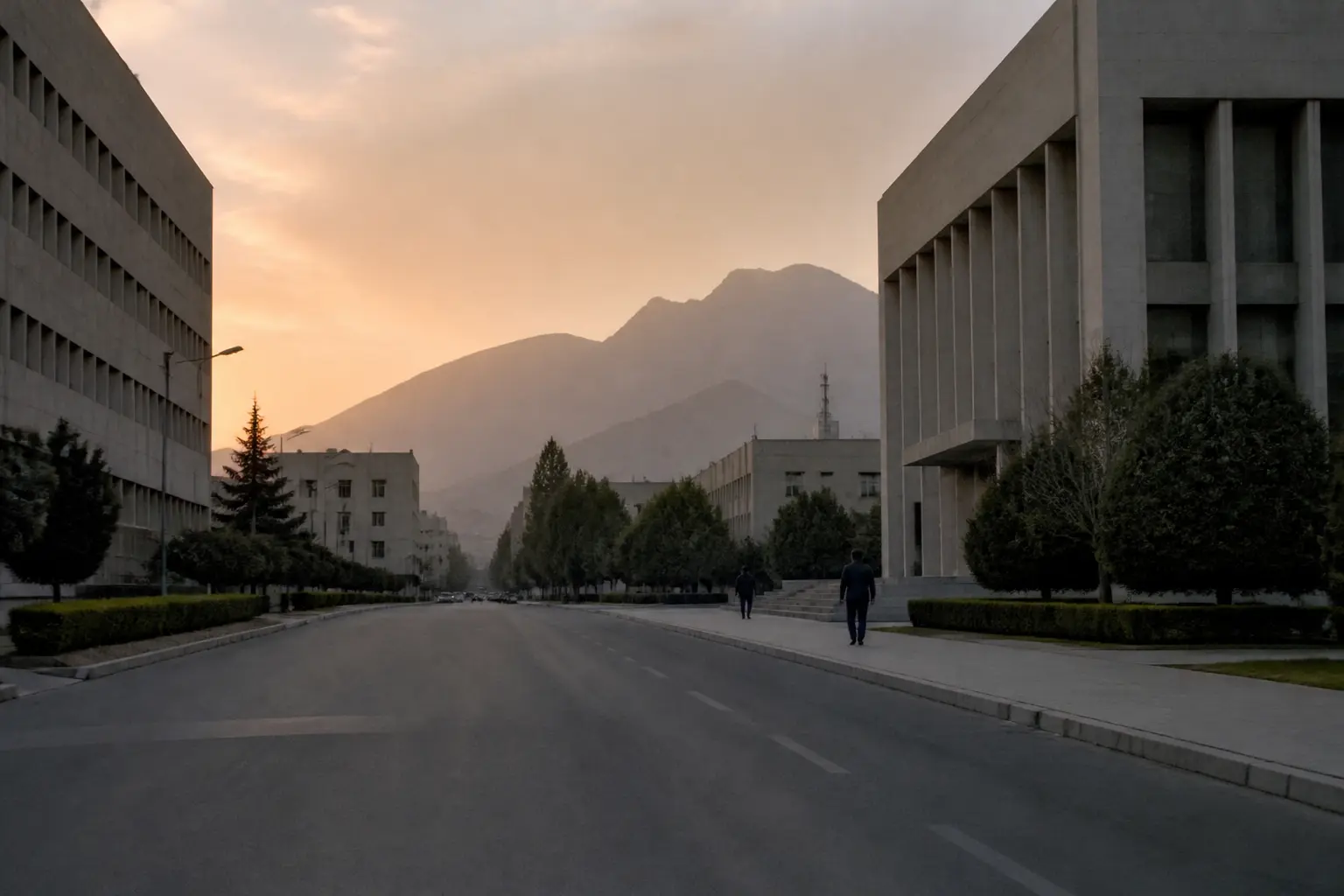
Tehran — Senior officials from Saudi Arabia, Turkey and Pakistan held talks in Tehran on Monday in a joint bid to stop the Middle East war from reigniting, with Iran describing the discussions as "very good". It was the first joint visit to the Iranian capital by the three countries since they formed a defence alliance in Mecca in August.
The delegations — including Saudi Defence Minister Prince Khalid bin Salman, Pakistan's army chief General Asim Munir and Turkish intelligence chief Ibrahim Kalin — met President Massoud Pezeshkian and Foreign Minister Abbas Araghchi. The Saudi foreign ministry said the visit was part of efforts to "de-escalate between the parties to the current crisis".
The talks ended without concrete announcements; Iranian state media said the parties "agreed to continue discussions". But Iran's security chief Mohsen Rezaei, who met the three envoys, called the atmosphere "very good" and said the sides agreed regional security "should be achieved by the countries themselves, and that we must prevent any kind of foreign intervention", according to France 24.
The diplomatic push follows warnings from Washington, Tehran and Israel that hostilities could restart in the eight-month war. US President Donald Trump said on Friday that Washington "may do another little Epic Fury", referring to the US-Israeli campaign against Iran that began on February 28. Israeli Prime Minister Benjamin Netanyahu warned on Sunday that Iran and its proxies "could challenge us with attacks in order to disrupt the elections" on Tuesday, where he is fighting to stay in power.
Riyadh has its own stake. Fresh explosions rattled the Saudi capital overnight after the Iran-backed Houthis claimed a new attack on its international airport on Sunday, and the Saudi-led coalition said it intercepted three Houthi drones over southern Saudi Arabia and the Riyadh region, the South China Morning Post reported. Egypt's parliament responded to weeks of attacks by approving defensive military support for Saudi Arabia "if requested" — what form that support would take is not yet clear.
UN Secretary-General Antonio Guterres, speaking in Cairo as the Tehran talks began, said it was "essential to stop any escalation", warning that a combination of "an overwhelming military attack on Iran, and an overwhelming military attack by Iran on the countries of the Gulf, needs to be avoided at all costs". Qatar, which has co-led mediation with Pakistan, sent its own delegation to Tehran on Sunday.
What comes next will be measured in days. Israelis vote on Tuesday, US midterms follow next week, and analysts quoted by the outlets covering the talks described the Tehran meeting as possibly the last chance before escalation spirals. For the capitals that sent their envoys — and for a region that has lived with eight months of war — the test is whether the agreement to keep talking survives the week.
Sources
This article is based on reporting from: