New US tariffs on China test truce ahead of Trump-Xi G20 meeting
Washington's 20 percent levy on Chinese goods revives the trade war just weeks before Trump and Xi meet at the G20 in Miami.

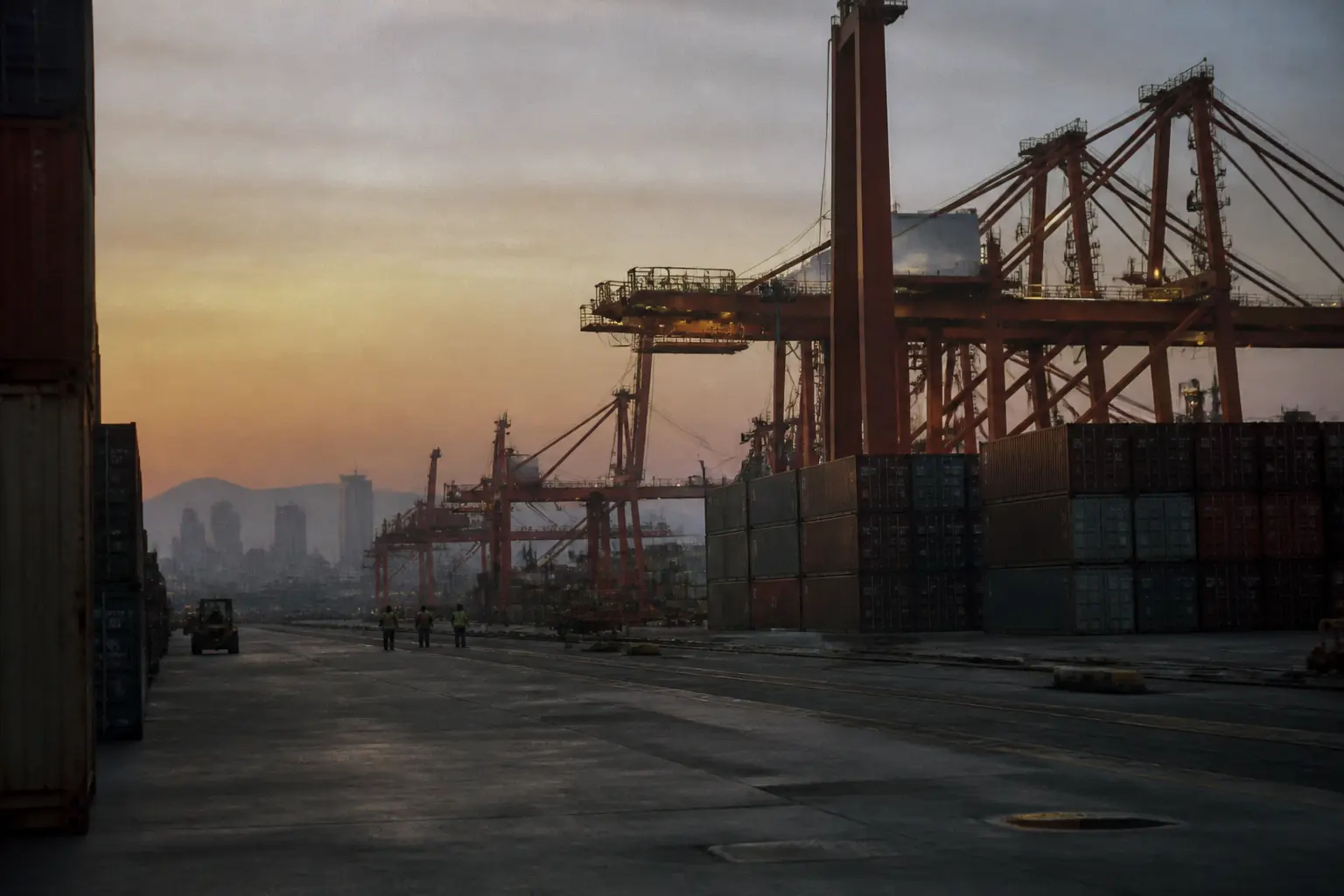
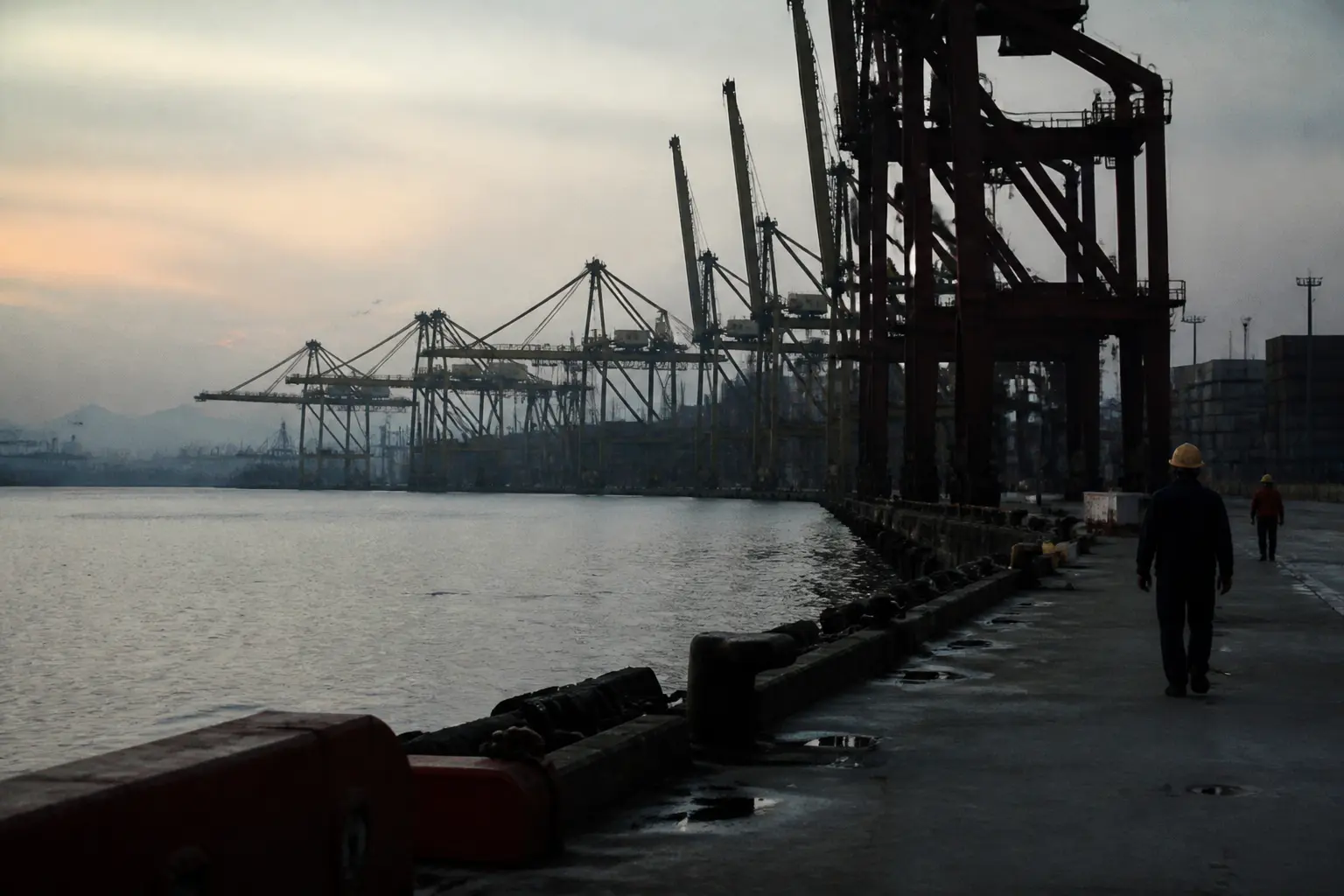
Washington — Days after Donald Trump embraced Xi Jinping on the tarmac in Shenzhen, his administration slapped a new 20 percent tariff on Chinese goods — the highest rate in a levies package aimed at 14 major trading partners, including the European Union and India. Beijing has warned it "reserves the right" to retaliate, and the timing is no accident: Trump and Xi meet again next month at the G20 summit in Miami, and the truce that paused their trade war expires in January.
The mechanism matters. The Supreme Court struck down Trump's "Liberation Day" tariffs of April last year, which had pushed headline US duties on China to 145 percent. This time the White House is using Section 301 of the Trade Act of 1974, following an eight-month investigation led by trade representative Jamieson Greer into what it calls "structural excess capacity" — cheap exports it blames on subsidies and suppressed wages. Washington has threatened to raise the China rate to 40 percent if talks break down, Al Jazeera reported.
Analysts read the move as leverage, not doctrine. "The practical purpose is simple: rebuild [the] tariff leverage the Supreme Court stripped away and force Beijing to the table before the next summit," Alicia Garcia-Herrero, chief economist for Asia Pacific at Natixis, told Al Jazeera. Chen Bo of the National University of Singapore offered a blunter fiscal logic: with high interest rates closing off the bond market, he said, tariff revenue is an easy way to fund the government without asking Congress.
Beijing's commerce ministry called the investigation "a typical act of unilateralism" that violates WTO rules, and said China "will resolutely safeguard its legitimate rights and interests". Garcia-Herrero noted that rare earths — which Beijing restricted in last year's tit-for-tat — "remain its sharpest tool".
The stakes are measurable. China's goods trade surplus hit a record $1.19 trillion last year; the US ran a $1.24 trillion deficit. Yet Chen Bo argues no tariff will dent Chinese overcapacity, and Garcia-Herrero warned that "higher prices land on American consumers". Deborah Elms of the Hinrich Foundation said Beijing may tolerate 20 percent, but not Washington's bid to hold other partners accountable for trading with China.
The test comes in two dates: whether negotiators de-escalate before the Miami G20, and whether the January truce deadline passes without the threatened 40 percent rate — a number that would tell markets whether this was bargaining or rupture.
Sources
This article is based on reporting from: