New US tariffs put fragile US-China trade truce to the test
Washington's proposed 20 percent levy on Chinese goods — rising to 40 percent if talks fail — tests the truce between the world's two biggest economies.

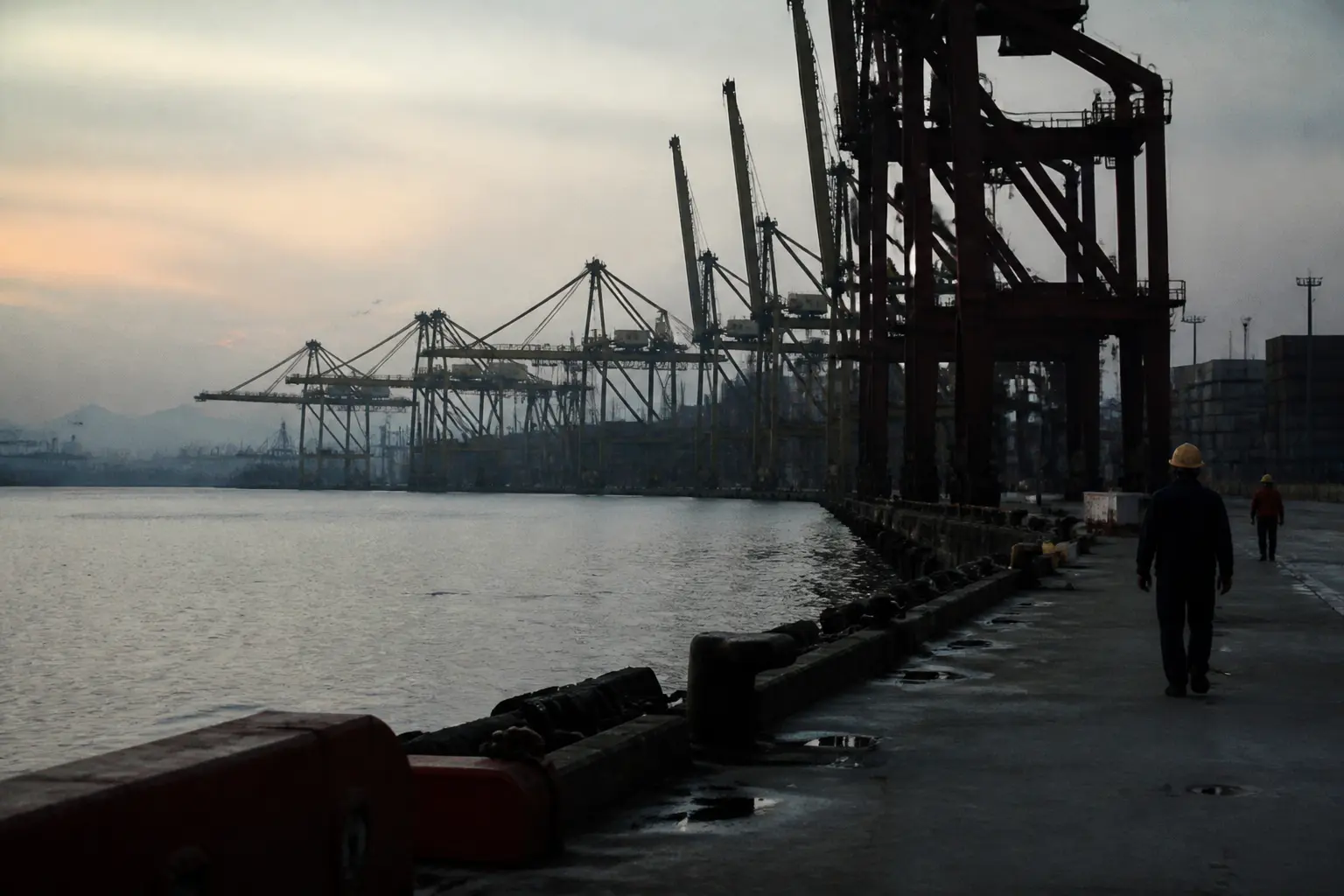
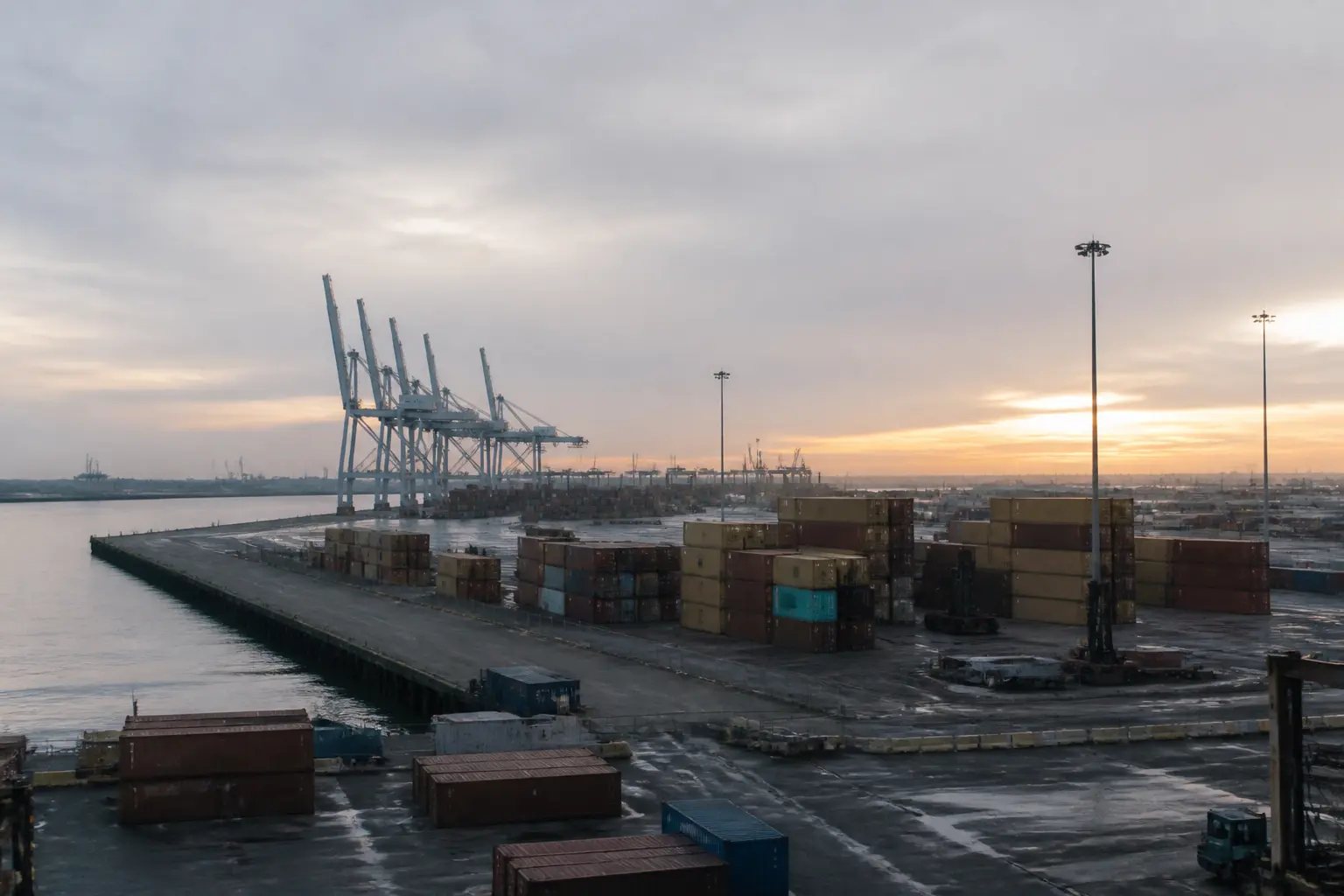
Washington — The United States on Wednesday proposed tariffs of up to 20 percent on 14 major trading partners, including China and the European Union, capping an eight-month investigation into alleged excess production. The rate on Chinese goods matches the level in Beijing's existing agreement with the Trump administration — but a senior US official told reporters it could double to 40 percent if bilateral talks fall apart, The Japan Times reported. That puts the hard-won truce between the world's two biggest economies squarely on the line.
The duties follow a probe under Section 301 of the US Trade Act of 1974, launched by US Trade Representative Jamieson Greer after the Supreme Court struck down President Donald Trump's sweeping global tariffs in February, Al Jazeera reported. A senior US official said the targeted economies "are promoting production and capacity divorced from the realities of demand and market principles", France 24 reported. EU products face 15 percent under Washington's deal with the bloc, though that could climb to 20 percent. India, Japan, South Korea and Vietnam are also on the list; Mexico and Norway were investigated but excluded while probes continue. Wide World News previewed the move after the excess-capacity probe began.
Beijing flatly rejected the charge. "The so-called 'overcapacity' is a false issue, and China opposes using it as an excuse for political manipulation," Foreign Ministry spokesman Guo Jiakun said, urging stable relations between the two economies. The 20 percent rate would sit atop roughly 25 percent in duties Trump imposed on China in his first term, though about $30bn of Chinese imports being considered for reductions through a bilateral mechanism known as the Board of Trade would be spared.
Brussels pushed back too. European Commission spokesperson Olof Gill said the EU strongly rejects the premise that Europe is a source of structural overcapacity, arguing Europe is "among those most exposed" to it. Switzerland also rejected the allegations. Gregory Shaffer, a professor of international law at Georgetown University Law Center, called the administration's use of Section 301 "cynical", saying it was designed to let the president reset tariffs at will and strip Congress of its constitutional taxing power.
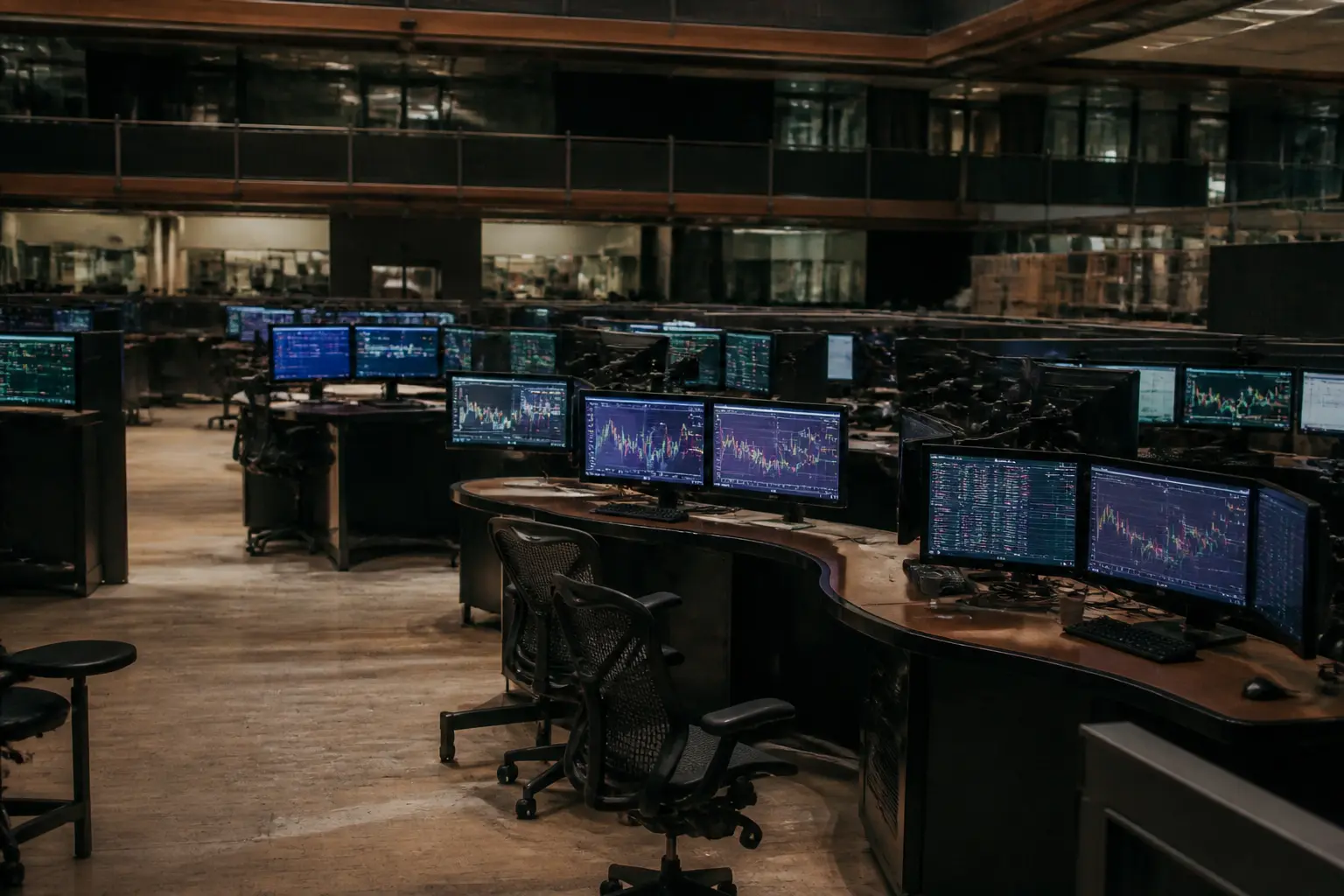
US stocks tumbled as the announcement landed, and analysts warned of fallout beyond Wall Street. Rachel Ziemba of the Center for a New American Security said the timing just before the G20 summit in mid-December "sets up those meetings as an opportunity for negotiation and increases risk of both inflationary pressures and macro volatility in 2027". That summit now looms as the first real test of whether Washington and Beijing can keep their truce intact — or whether the 40 percent threat becomes the new baseline.
Sources
This article is based on reporting from:
- The Japan Times U.S. targets China, EU, Japan and others with new tariffs citing overcapacity
- France 24 US unveils proposed tariffs on major partners, including EU and China
- Al Jazeera World reacts to Trump’s new tariffs as US stocks tumble | Trade War News | Al JazeeraplayShow navigation menuplaysearchcaret-leftcaret-rightListenshare-nodesfacebookxwhatsapp-strokecopylinkgoogleinfoaj-logoaj-logoaj-logofacebooktwitteryoutubeinstagram-colored-outlinerssblueskytiktok-colored-outline