Prague rally over media freedom may be Czechia's biggest
Organisers expect up to 600,000 in Prague against a plan to scrap public broadcasting licence fees and fund Czech TV and Radio from the state budget.
 By Henrik LindqvistEurope correspondent 1 min read
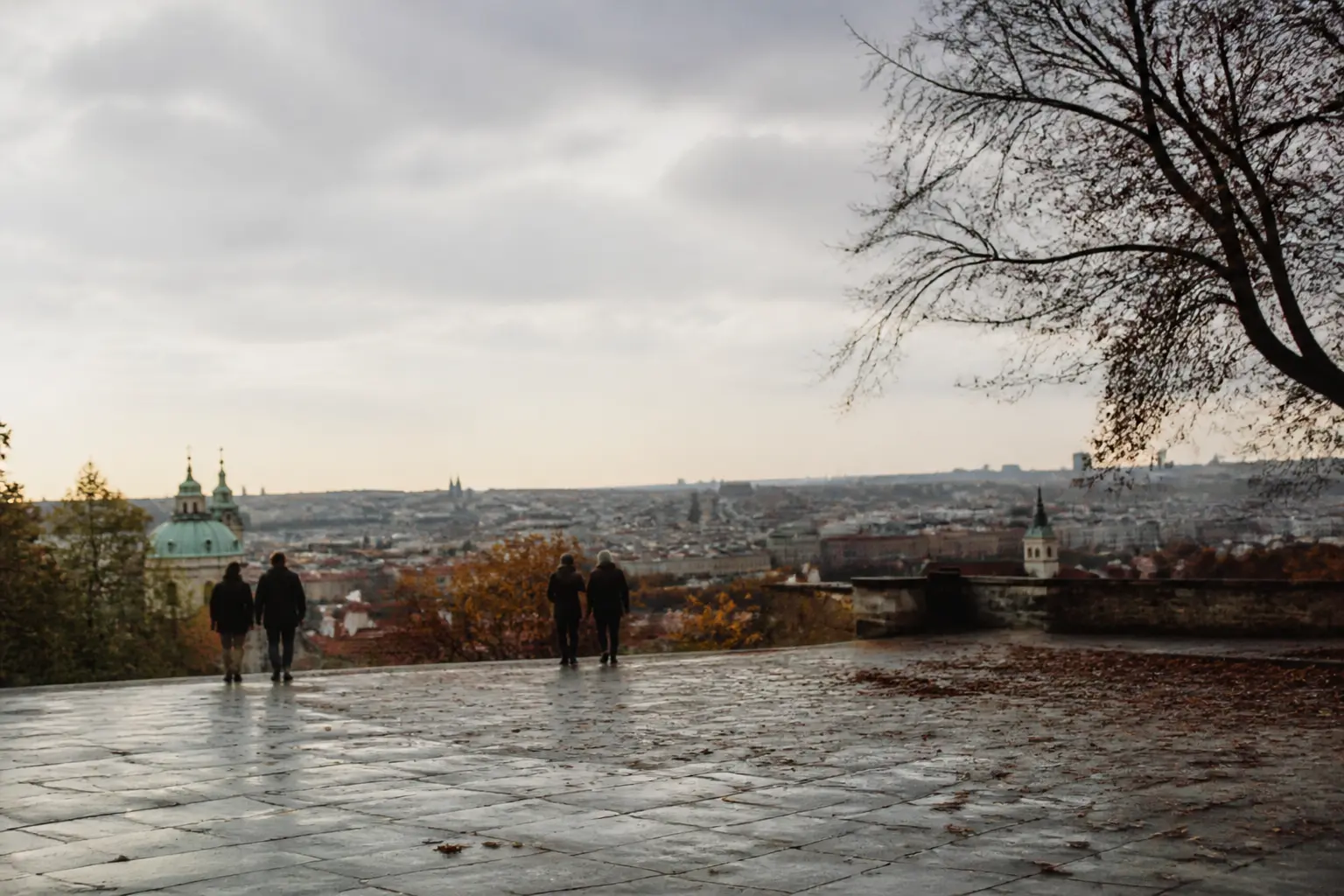
Prague — Hundreds of thousands of Czechs are expected to gather on Prague's Letná Plain on Sunday to protest against a government plan to scrap the licence fees that fund the country's public broadcasters, in what organisers say could be one of the largest demonstrations in Czech history.
The Million Moments for Democracy group, which is organising the rally, expects between 400,000 and 600,000 people, according to the Guardian. The gathering follows weeks of demonstrations in towns and cities and a strike by staff at Czech TV and Czech Radio.
At issue is a proposal by the government of prime minister Andrej Babiš to abolish the mandatory fees — 205 koruna (£7) a month in total — and instead fund the broadcasters directly from the state budget, cutting their budgets by about 15%. Critics argue that making newsrooms dependent on annual budget decisions would give ministers leverage over editorial output, and point to Slovakia, Hungary, Poland and Serbia, where populist governments eroded media independence.
The plan has drawn criticism from the European Broadcasting Union, the European Federation of Journalists, Reporters Without Borders and the International Press Institute, which likened it to moves by Slovakia's prime minister, Robert Fico, and Hungary's former premier Viktor Orbán.
"Babiš and his government obviously think they will get away with anything … that they can ignore experts, silence critics and treat democratic institutions like their property," Million Moments for Democracy said.
Babiš, a billionaire who returned to power last year and leads a coalition of populist, hard-right nationalist and Eurosceptic parties, rejects the criticism. In an op-ed last week on what he called the "seven lies" of the opposition, he wrote that anyone talking of "nationalisation" of public media was "deliberately lying" and promised: "Under no circumstances will we interfere in editorial work."
Sunday's turnout will be the first test of whether opposition to the plan extends beyond journalists and students. What follows is the harder question: whether the government proceeds with the funding overhaul in parliament, and in what form.
Sources
This article is based on reporting from: