Trump says Iran strikes 'highly unlikely' if talks progress
The US president tied any fresh attacks on Iran to a 'very strong agreement', even as both sides reported more vessels hit in and near the Strait of Hormuz.
 By Henrik LindqvistEurope correspondent 2 min read
Washington — US President Donald Trump said on Sunday he was "highly unlikely" to order fresh attacks on Iran so long as talks to end the conflict keep moving, according to CNA. The caveat came attached: it depends, he said, on whether Tehran signs "a very strong agreement".
Trump made the remarks in a phone interview with CNN, telling the network that "the answer is, highly unlikely it's going to be necessary". CNN did not specify the precise question. Trump also said that if strikes do resume, the US has identified infrastructure targets including 38 bridges "that we can knock down in literally one hour" — a reminder that the offer of restraint comes with a price list attached.
The president had hinted at renewed major attacks after last week's US midterm elections, but no large-scale US operation has materialised. Iran, for its part, has said it would respond to any fresh strikes by hitting US and Israeli targets.
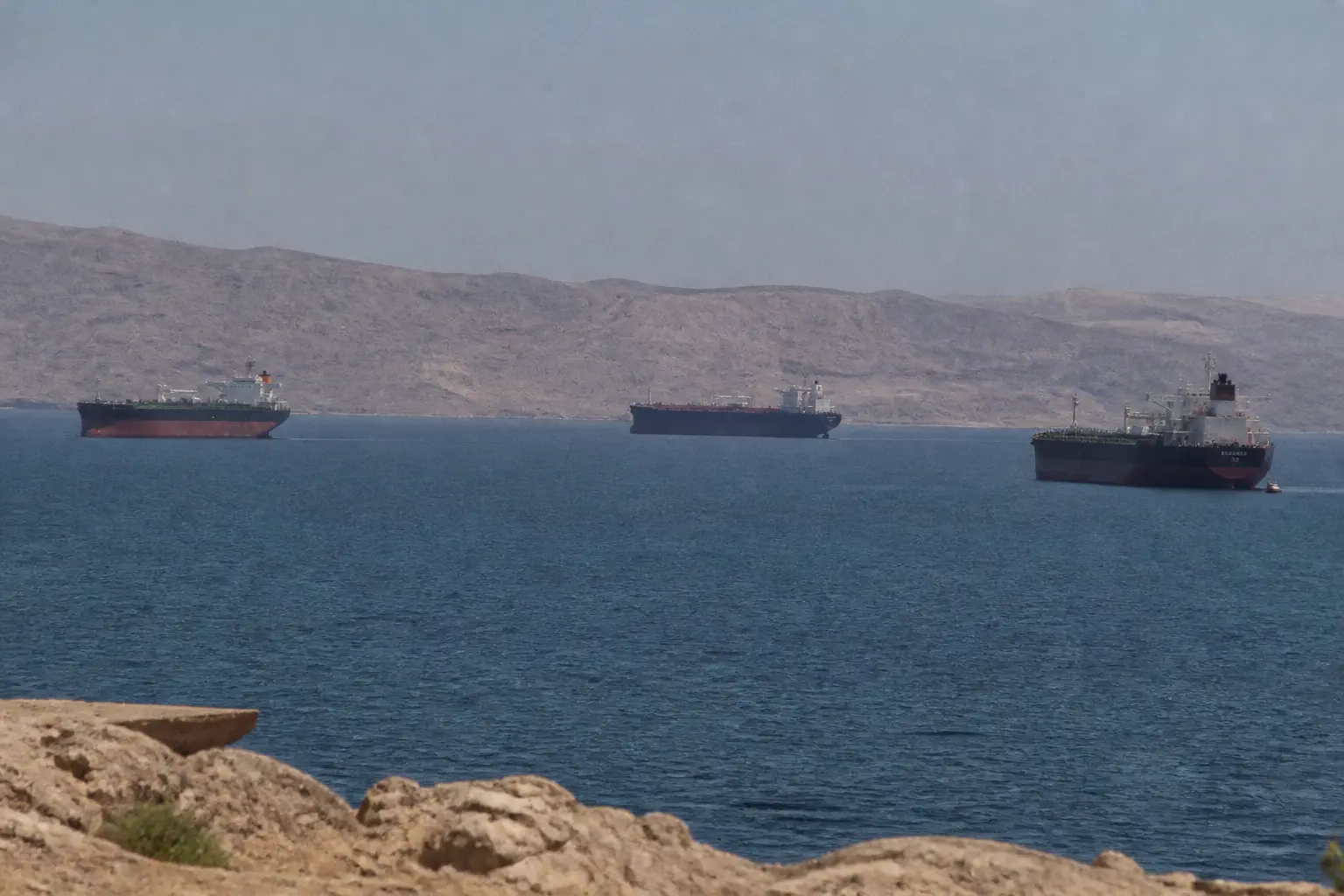
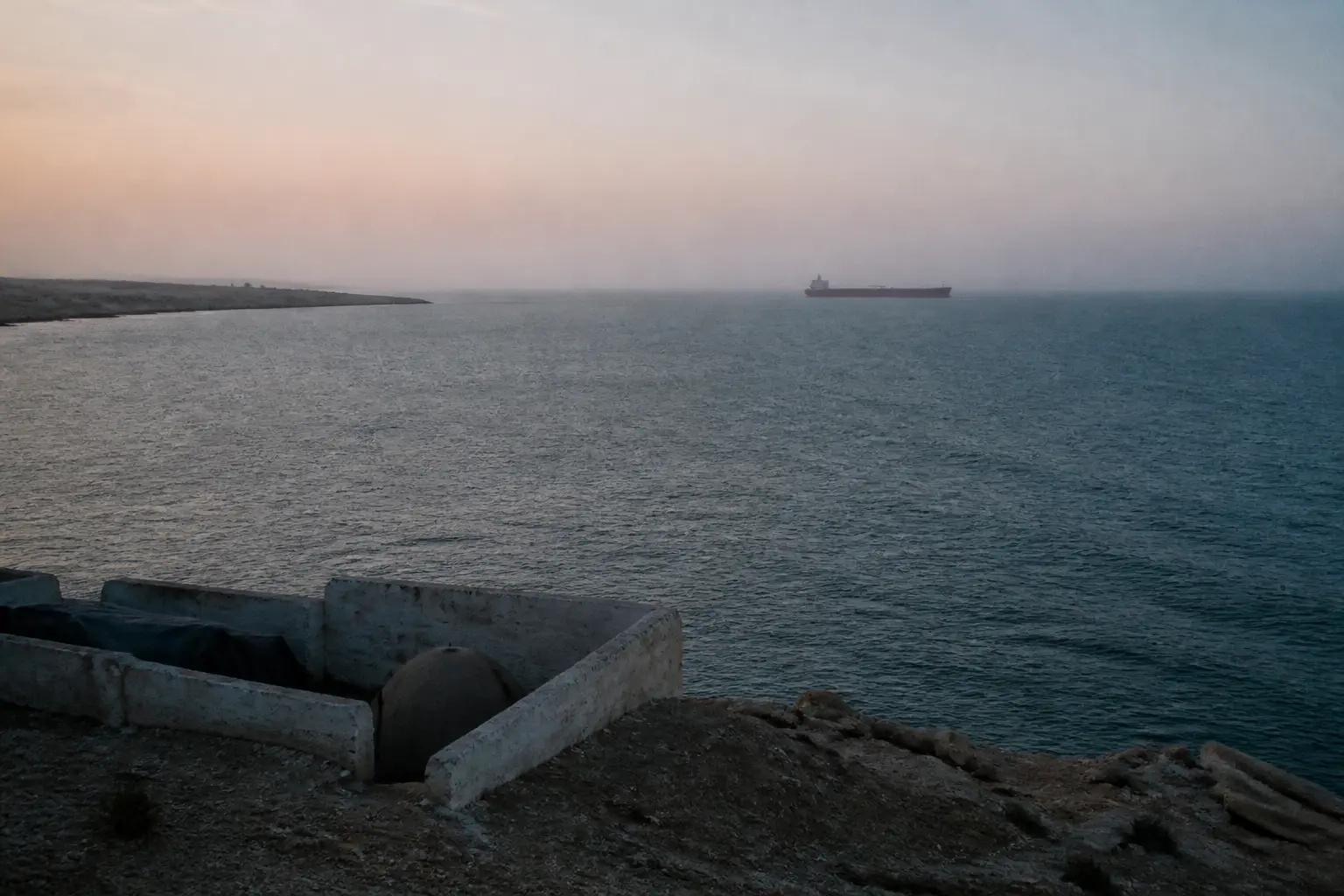
On the water, the conflict has not paused. Both countries reported shipping hit in or near the Strait of Hormuz over the weekend. Iran's state television said explosions heard on Saturday evening in several areas, including Qeshm Island, might be linked to Iranian military activity, and said officials had not confirmed any missile strikes on Iranian territory. The Tasnim news agency reported that two missiles had struck Qeshm, with no official word on damage; neither Tehran nor Washington has commented on that account.
The US military said separately that its air force had fired on the stern of a commercial vessel in the Gulf of Oman on Saturday evening, disabling it. Iran said two vessels had hit mines in the strait and a third had caught fire. Washington said on Nov 2 it had struck Qeshm Island in what it called a limited defensive measure against Iranians using surface-to-air missiles against US assets.
Since the US and Israel began attacking Iran in February, Tehran has targeted vessels in the strait to choke off Gulf energy exports, while US forces have blockaded movements to and from Iranian ports since April. The result, as both sides acknowledge, is restricted exports of energy and other commodities the world economy runs on.
The next marker is the talks themselves. Trump's formulation puts the burden on a signed agreement, and his definition of "very strong" remains untested. Until negotiators produce text both capitals can accept, each further incident in the strait will be measured against a conditional promise rather than a settled policy.
Sources
This article is based on reporting from: