Trump, Putin and Xi sign 'peace declaration' silent on Ukraine
The three leaders' first trilateral talks in Shenzhen produced a joint statement on nuclear war, oil output and the UN, but not Ukraine or Iran.

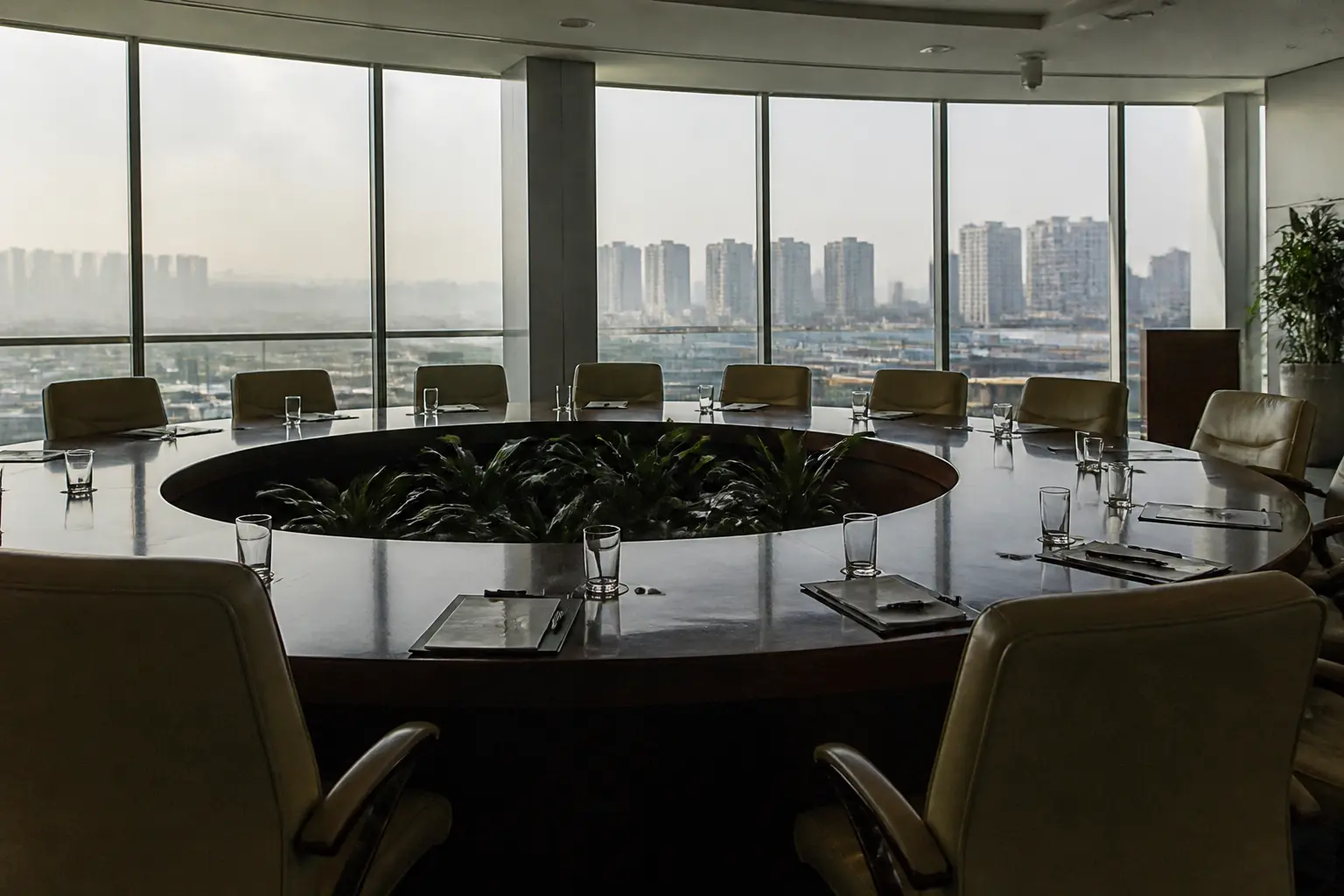
Shenzhen — US President Donald Trump, Russia's Vladimir Putin and China's Xi Jinping have issued a "joint declaration of peace" after their first-ever trilateral meeting, a 90-minute session in the south-eastern Chinese city of Shenzhen on the sidelines of the Apec summit. The statement commits the three nuclear powers to the principle that nuclear war "cannot be won and must never be fought", but, as The Guardian reported, it makes no mention of the wars in Ukraine and Iran, the two conflicts overshadowing the gathering.
Beyond the nuclear pledge, the declaration says the three countries plan to increase the production and supply of petroleum and are "committed to reform the UN" to respond more effectively to global challenges, according to BBC News. It also addresses the immunity of state officials, stating that the leaders "agreed that the International Criminal Court and other similar institutions must not abuse their jurisdiction".
"Positive interaction among major powers is not a matter of choice, but a mandatory requirement," Xi said, opening the talks.
Trump, writing on social media from Air Force One, called it "a great and highly consequential trip" and announced a White House news conference on Friday. Before the three-way session he met Putin separately, their first encounter since August 2025, greeting him as his "friend"; he described his relationship with Xi as "very special". Wide World News reported on the build-up to the Shenzhen trilateral.
Speaking to reporters afterwards, Putin struck an upbeat note about the talks but said Ukraine and Europe were not ready to compromise, adding that Moscow had invited EU representatives to the Russian capital. Even as he spoke, Kyiv was under Russian drone attack, the BBC reported. Putin has rejected all ceasefire offers from Kyiv, and in Shenzhen vowed a "far more painful" retaliation after a Ukrainian missile and drone strike on Tuesday hit the bridge linking Russia to occupied Crimea.
European governments signalled they would not wait on Shenzhen. As the talks convened, a Franco-British-led group of Ukraine's backers, dubbed the "coalition of the willing", staged what France 24 described as a counter-summit in Berlin, a show of resolve aimed at both the Kremlin and Washington.
Two near-term tests will show whether the declaration carries weight: Trump's Friday news conference, where he is expected to detail any movement on Ukraine, and Moscow's invitation to EU representatives, whose response will indicate whether Europe accepts talks on Russian terms.
Sources
This article is based on reporting from: