Ukraine holds peace talks with US, Europe as strikes escalate
Zelenskyy calls online talks with US envoys 'not easy' as Kyiv reports bridge strikes and Moscow disputes plans to widen negotiations.
 By Henrik LindqvistEurope correspondent 2 min read
Kyiv — Ukraine has held fresh talks with United States and European officials on ending the war with Russia, hours before Kyiv's mayor reported strikes on two bridges in the capital, Al Jazeera reported.
President Volodymyr Zelenskyy described Monday's online discussions with US envoys Steve Witkoff and Jared Kushner and European representatives as "not easy". But he said participants had agreed to meet in Berlin with the "Coalition of the Willing", the group of countries supporting Ukraine, and said he hoped the diplomatic efforts would not be in vain.
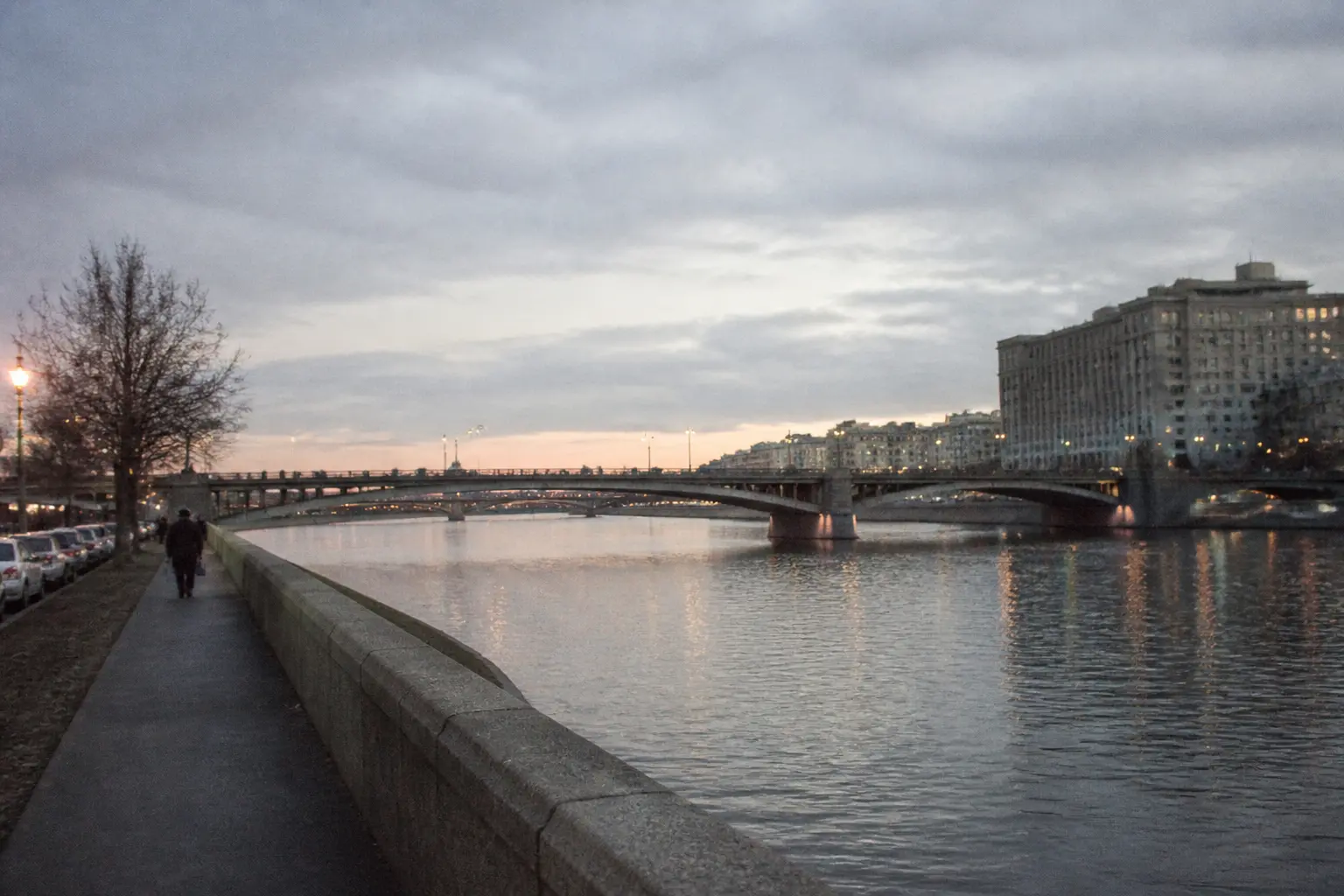
Hours later, Kyiv Mayor Vitali Klitschko said preliminary reports indicated the North and South bridges across the Dnipro River had been hit, with air defences operating. Zelenskyy had earlier warned that Ukrainian intelligence indicated Russia was preparing major strikes that night and throughout Tuesday. Ukraine, for its part, struck a key bridge and oil refineries in what Russian defence ministry data indicated was the biggest overnight drone attack on Russia since 2022; the Crimea Bridge was hit again, with nearly 200 drones intercepted near Moscow, according to Telegram statements.
Kushner said Washington was making progress towards an agreement but wrote on X that "important challenges remain, and a final agreement will require difficult decisions". He said he and Witkoff had spoken with Kremlin aide Yuri Ushakov about arranging direct engagement between Europe and Russia.
That is where the choreography gets delicate. Zelenskyy said France, Germany, Britain, Italy and Poland had taken part fully on Monday and would sit in future meetings with Russian negotiators. Witkoff and Kushner, who met President Vladimir Putin in Moscow after last week's Abu Dhabi round, likewise said European representatives would join the next round. On Monday Moscow flatly disputed that: Ushakov said Russia had not agreed to expand the talks beyond the existing Russian, Ukrainian and US delegations, and no date had been set.
European governments, meanwhile, kept the pressure on. Irish Foreign Minister Helen McEntee said 113 new EU sanctions were intended to squeeze Moscow "as it intensified attacks on civilians and critical infrastructure during the winter", adding bluntly that "Russia has clearly not changed its position." Kremlin spokesperson Dmitry Peskov, for his part, ruled out a temporary ceasefire, saying Moscow sought peace lasting "years, even centuries".
The next decision point is the planned Berlin meeting, where Ukraine and its backers aim to agree their negotiating steps. Whether Russia accepts the expanded format — and whether US President Donald Trump's planned discussion with Putin and Xi Jinping in China shifts anything — will determine if talks move beyond statements.
Sources
This article is based on reporting from: