EU sanctions Russian banks, oil terminal and Wildberries chief
Brussels' 21st sanctions package hits nearly 50 banks, a Saint Petersburg oil terminal and Russia's richest woman over the war in Ukraine.

Brussels — The European Union on Monday imposed its 21st round of sanctions on Russia, striking at the money flows that keep Moscow's war economy running: banks, oil infrastructure and the businesses accused of supplying its military. The package adds 113 listings — 12 individuals and 101 entities — according to RFI.
The highest-profile name on the list is Tatiana Kim, Russia's richest woman and chief executive of Wildberries, the online retailer sometimes called "Russia's Amazon". Her fortune is estimated at €7.3 billion. She faces an asset freeze and travel ban.
"Kim is supporting, materially or financially, and benefiting from Russia's military and industrial complex," Brussels said, adding that "Wildberries operates as a supply network for the Russian military by facilitating the sale of military and dual-use goods."
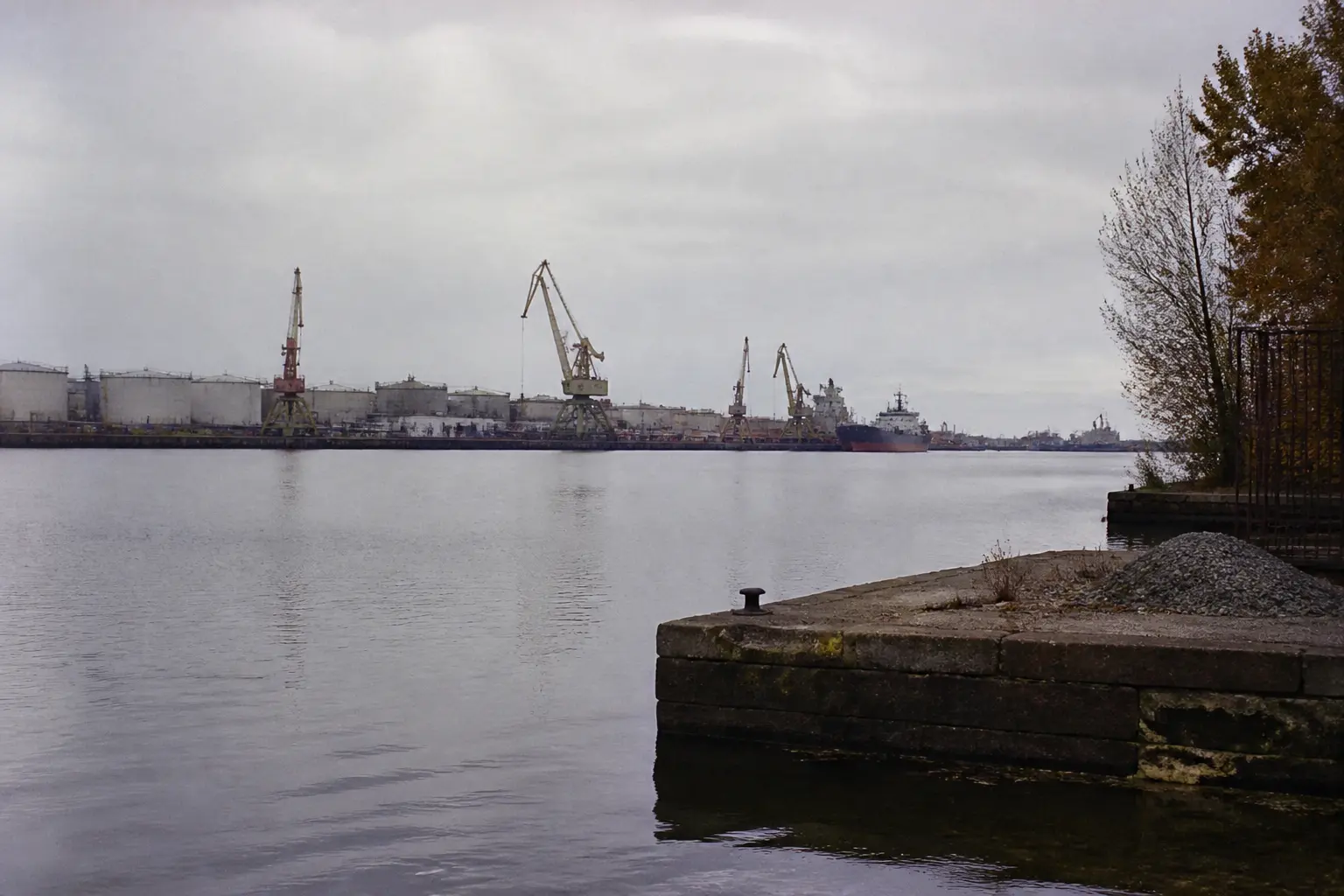
Beyond the retail giant, nearly 50 Russian banks and financial institutions were hit, alongside companies managing oil infrastructure — including a major terminal in Saint Petersburg, Russia's second-largest city. Brussels also blacklisted firms in the United Arab Emirates, China, the Seychelles and Oman accused of buying Russian oil carried by Moscow's "shadow fleet" of ageing tankers, the workaround that has kept crude exports moving despite a price cap.
The mechanics matter. Chasing the shadow fleet's buyers in third countries is an attempt to close the gap between sanctions on paper and sanctions in practice: every tanker sold at full price is revenue for the Kremlin. Whether the threat of secondary listings deters traders in the Gulf and Asia is the open question.
The bloc has built the regime gradually since March 2014, after Russia's annexation of Crimea, and expanded it sharply after the full-scale invasion of Ukraine in February 2022. More than 4,700 individuals and entities are now listed, including President Vladimir Putin and Foreign Minister Sergei Lavrov, according to the EU's website.
The timing is awkward for the peace track. The 27-nation bloc says it wants to keep pressure on Moscow even as diplomatic efforts to end the fighting gather pace. The next test comes before the end of the year, when Brussels aims to agree a broader sanctions package — unanimity among all 27 governments is required, and that vote will show how much appetite for escalation remains.
Sources
This article is based on reporting from: