Hormuz crisis is 'largest threat' to energy security, IEA warns
The IEA says Iran's blockade of the Strait of Hormuz dwarfs the 1970s oil shocks, with consumers increasingly left to absorb the cost.
 By Henrik LindqvistEurope correspondent 2 min read
The International Energy Agency said on Thursday that the crisis in the Middle East, triggered by US and Israeli strikes on Iran in February, now poses the "largest threat" to energy security in history — one it says exceeds the oil shocks of the 1970s.
The warning comes in the agency's flagship annual World Energy Outlook, published as governments gather in Turkey for the COP31 climate talks. France 24 reported that the IEA believes consumers are increasingly left to foot the bill as the world runs out of ways to absorb the shock.
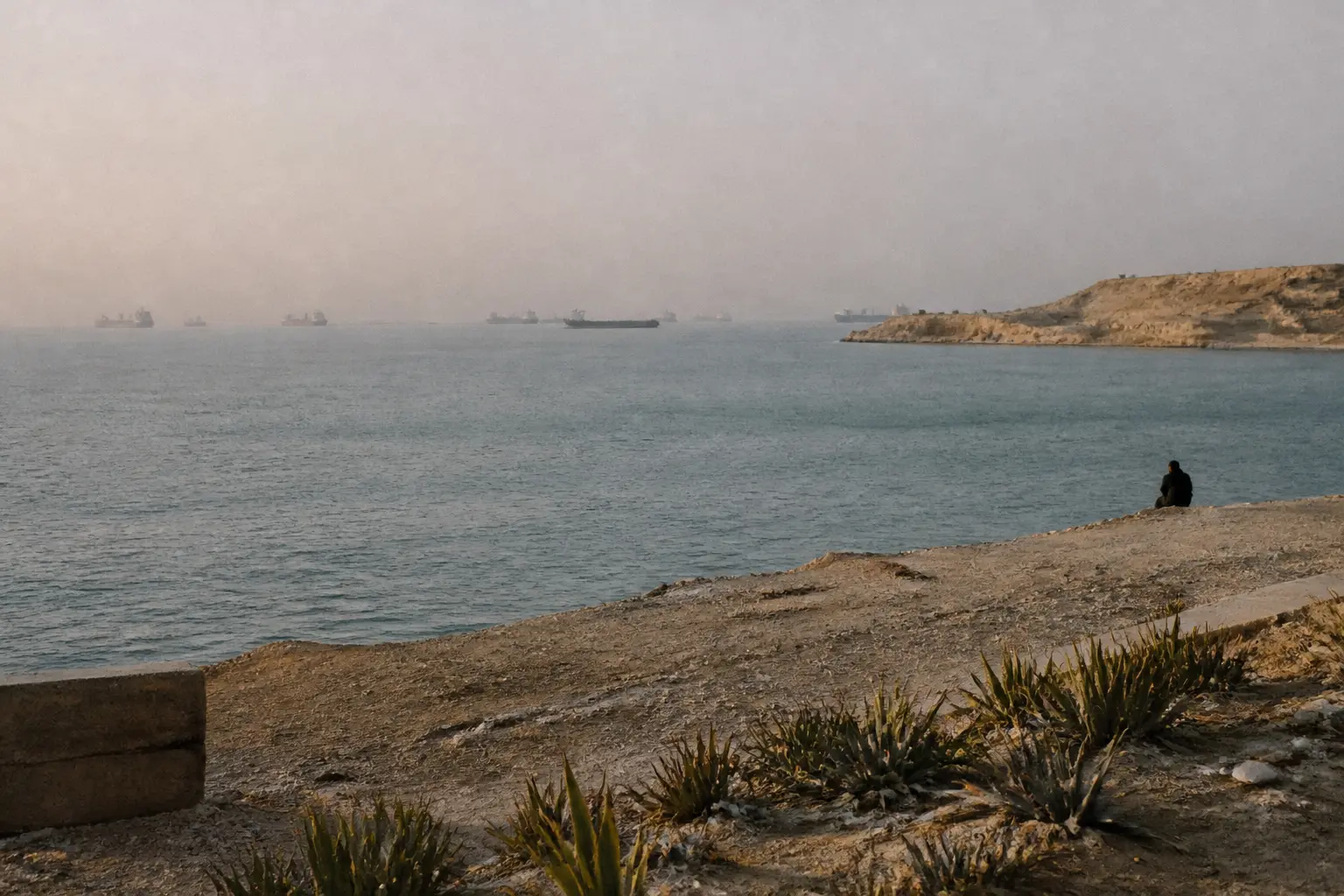
Gulf countries have struggled to export oil since Iran began blockading the Strait of Hormuz and targeting tankers in the area, after the US and Israeli strikes that sparked the crisis in February. Despite American attempts to escort vessels through the channel — which before the crisis carried about one-fifth of global oil shipments — supply lines remain severely disrupted.
"The Strait of Hormuz crisis has created the largest threat to energy security in history, one that dwarfs the scale of the oil shocks of the 1970s," IEA Executive Director Fatih Birol wrote in his foreword to the report.
Birol credited governments with trying to shield households — producing nations have added supply and used alternative routes, while China has bought less from international markets — but said consumers had still faced higher prices and, in some cases, supply shortfalls. The report adds that "increasingly it is falling to consumers -- and high prices -- to absorb the impact as other buffers are run down". The tone marks a shift from July, when Birol wrote that the oil market still enjoyed "several cushioning factors".
In its middle scenario, based on stated government policies, the agency forecasts global oil demand peaking around 2030 before a slow decline, with gas demand rising until around 2035. This year it added two scenarios for a prolonged Middle East crisis. "The longer the crisis lasts, the deeper the effects will be," Birol said, adding: "I don't see any credible pathway for the energy world to return to the way it was before."
The next test comes at COP31 in Turkey, where governments already under pressure after a year of heatwaves, wildfires in Europe and deadly floods in Nepal must now weigh climate commitments against an energy shock the IEA says will leave "lasting marks".
Sources
This article is based on reporting from: