France braces for nationwide strikes as living costs rise
Hundreds of thousands are expected to march across France as unions call strikes spanning rail, schools, hospitals and air traffic control.
 By Henrik LindqvistEurope correspondent 2 min read
Paris — France is bracing for a day of nationwide strike action on Thursday, with hundreds of thousands of people expected to march in more than 220 demonstrations against the rising cost of living, planned budget cuts and a strained education system.
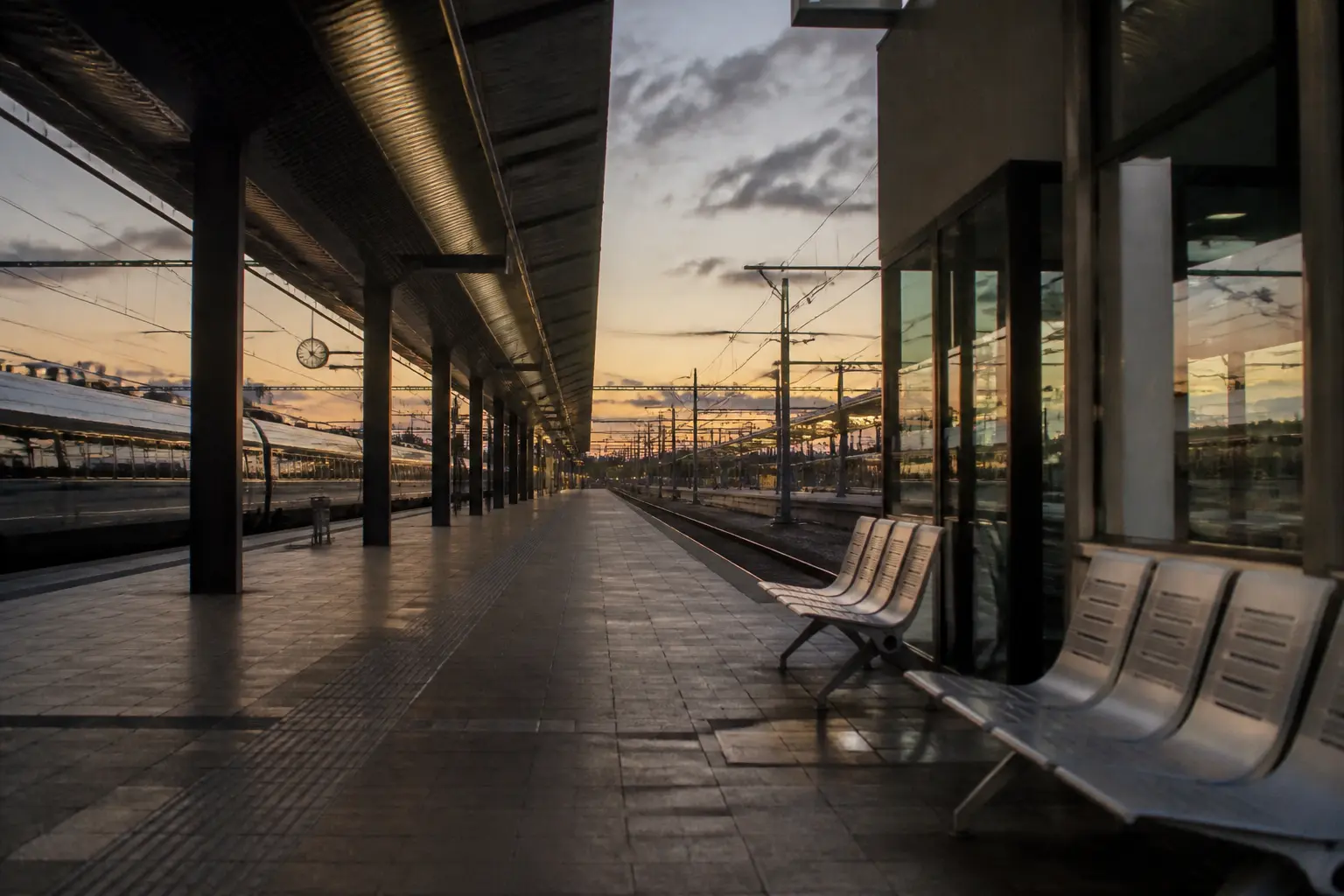
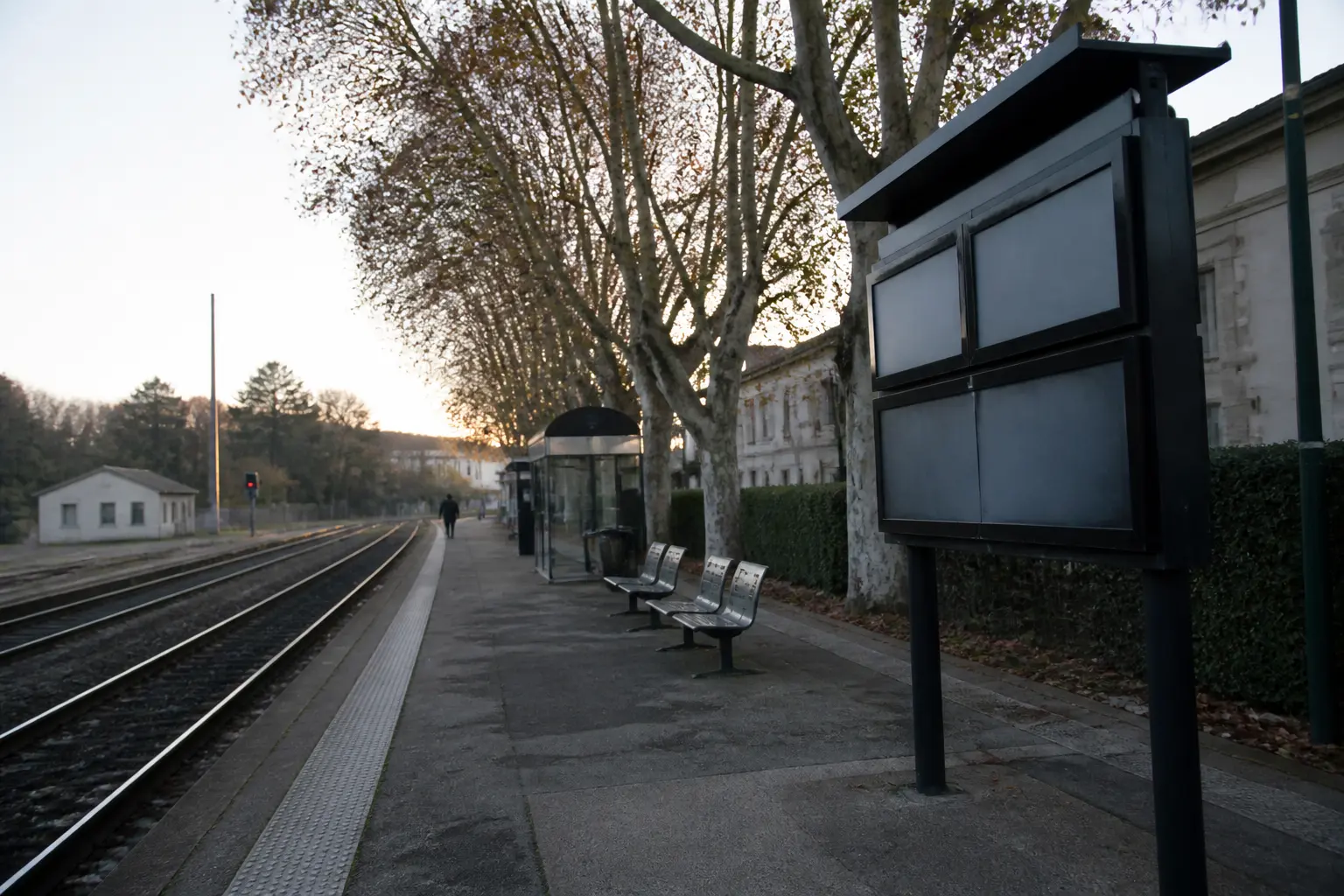
Trade unions have called a strike expected to extend to hospital workers, air traffic control, the post office, teachers and rail staff. The national rail operator SNCF said there would be “disturbances” to regional services and in parts of the greater Paris area, dockers warned of disruption at ports, and the education ministry said it expected almost 18% of nursery and primary school teachers to walk out, The Guardian reported. The New York Times said the day of action escalates weeks of protests.
Ahead of the strike, France’s four main rail unions said the government’s proposed budget cuts would “worsen poverty, slash social security, freeze state workers’ salaries and dry up investment needed for environmental measures”. High school students, already blockading schools over overcrowded classes and dilapidated buildings, said government measures on capping some class sizes and lending funds to regional authorities for repairs were insufficient. University students have joined some blockades, and private school teachers’ unions are striking alongside their state counterparts.
Rights groups have focused on the policing of the protests. The French Human Rights League described an “authoritarian shift” to stifle “any dissenting voice”, citing restrictions on demonstrating in city centres and curfews in certain areas. Sophie Binet, head of the leftwing CGT union, criticised decisions in cities such as Rennes, Toulouse and Lyon to push marches out of the centre. Marylise Léon, head of the moderate CFDT, put the objection more simply: “The principle of a demonstration is its visibility.”
The unrest lands on a government already struggling to pass a belt-tightening budget through a divided parliament, with public debt approaching 120% of economic output. It also shadows President Emmanuel Macron’s final months in office, with the far-right, anti-immigration candidate Marine Le Pen polling high for the 2027 presidential election to replace him next spring.
Thursday’s turnout — and how far the transport and school stoppages actually run — will be the first measure of whether the unions can sustain the pressure. The harder test follows in parliament, where the budget must still be passed.
Sources
This article is based on reporting from: