Iran rejects US Hormuz reply as Trump confirms strikes
Tehran says Washington's response to its seven conditions for reopening the Strait of Hormuz fell short, as Trump confirms US strikes on Qeshm Island.

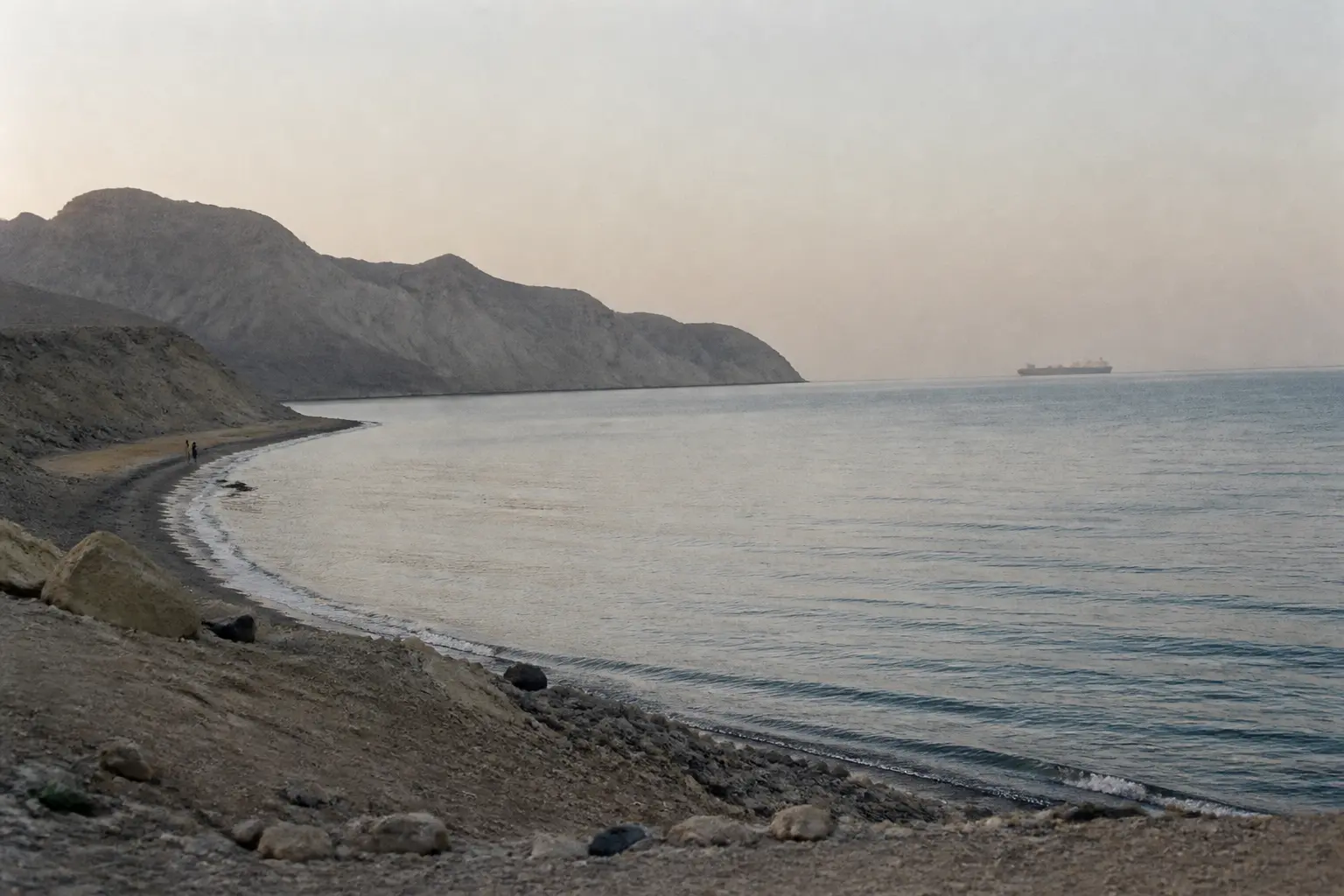
Tehran — Iran has dismissed the US response to its conditions for reopening the Strait of Hormuz as inadequate, even as President Donald Trump confirmed American forces had struck an Iranian island near the waterway. The twin developments on Tuesday underscored how far apart the two sides remain, despite Al Jazeera reporting that Qatar is pressing hard to prevent a renewed war.
The indirect talks centre on an Iranian proposal to reopen the strait over two days if Washington meets seven demands, including lifting sanctions and ending the US naval blockade. Despite reports of progress in recent days, Mohsen Rezaei, secretary of Iran's Supreme National Security Council, said Washington's reply had fallen short. "America's response to Iran's rights and demands was not convincing, and they must fully and explicitly address Iran's seven conditions and act upon them," he wrote on X, adding: "Only in this case will the Strait of Hormuz be reopened."
Qatar's foreign ministry spokesperson, Majed al-Ansari, said both sides "remain committed to the negotiation process" and that Doha was facilitating the real-time exchange of proposals. Trump, meanwhile, told Fox News the US had hit an anti-aircraft facility overnight, calling it a "minor attack" that "wasn't war". Iranian media said the strikes hit Qeshm Island, near where four tankers were reported destroyed by mines. US officials had earlier told American media the strikes were "defensive", following Iranian fire at a US aircraft.
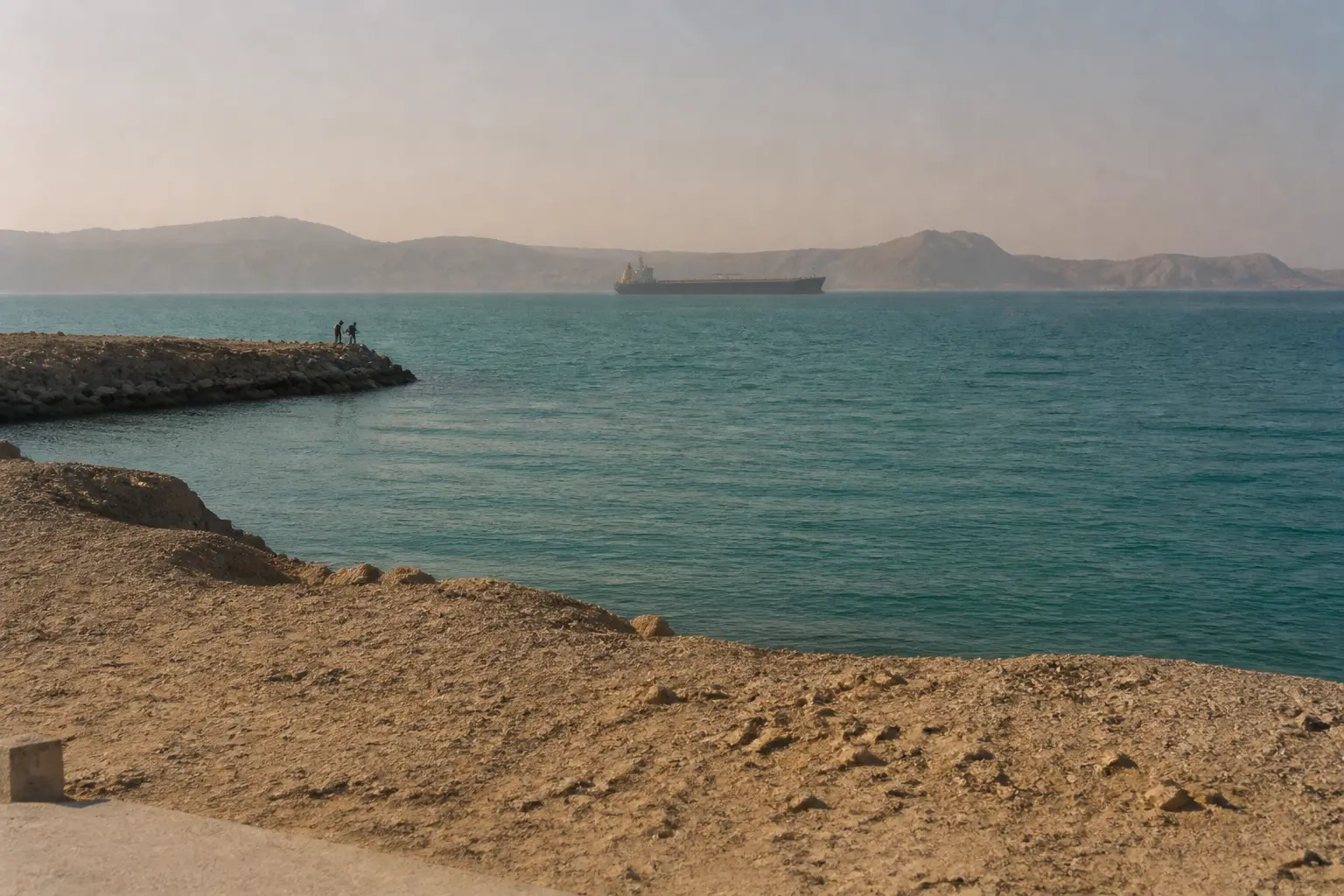
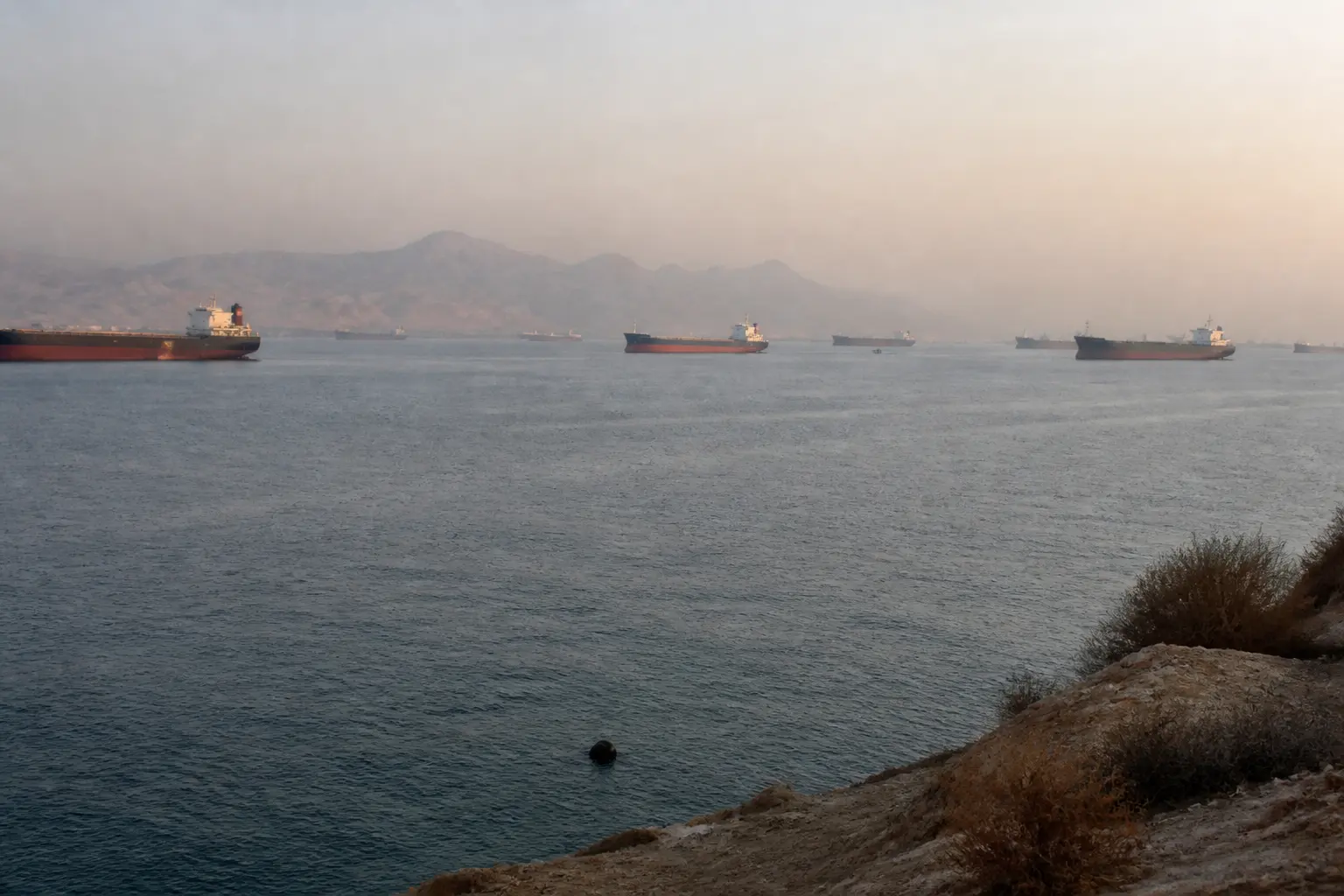
Shipping came under fresh attack as well. The Islamic Revolutionary Guard Corps said four tankers were destroyed after striking mines in a prohibited lane south of the strait, and that two other vessels were detained. Separately, the UK Maritime Trade Operations said two unidentified projectiles hit a tanker's engine room northeast of Oman's village of Limah; no casualties were reported. It could not be independently verified whether the two accounts described the same incident. The IRGC also claimed to have downed a US-made MQ-9 drone over the strait.
US media, citing officials, reported that Central Command had prepared plans for a short, intense strike campaign that could begin as early as Wednesday, after midterm elections that could cost Trump's Republicans control of both chambers of Congress. Iran's supreme leader, Mojtaba Khamenei, has ordered the military to answer any threat immediately and without geographical limits, and Iranian officials have suggested European countries and Gulf undersea cables could be targets.
US political scientist John Mearsheimer questioned whether another brief bombing campaign would work, asking: "If the 40-day bombing campaign didn't work, how is the three-day bombing campaign going to work?" For now, ship crews, oil traders and the governments waiting on Qatari mediators are watching to see whether Washington answers Tehran's seven demands — or whether Wednesday brings the wider strikes both sides say they are ready for.
Sources
This article is based on reporting from: