Guinea-Bissau junta pushes elections back two years
Guinea-Bissau's military rulers have set elections for November 2028, two years beyond the promised transition, and barred the ousted president from returning.

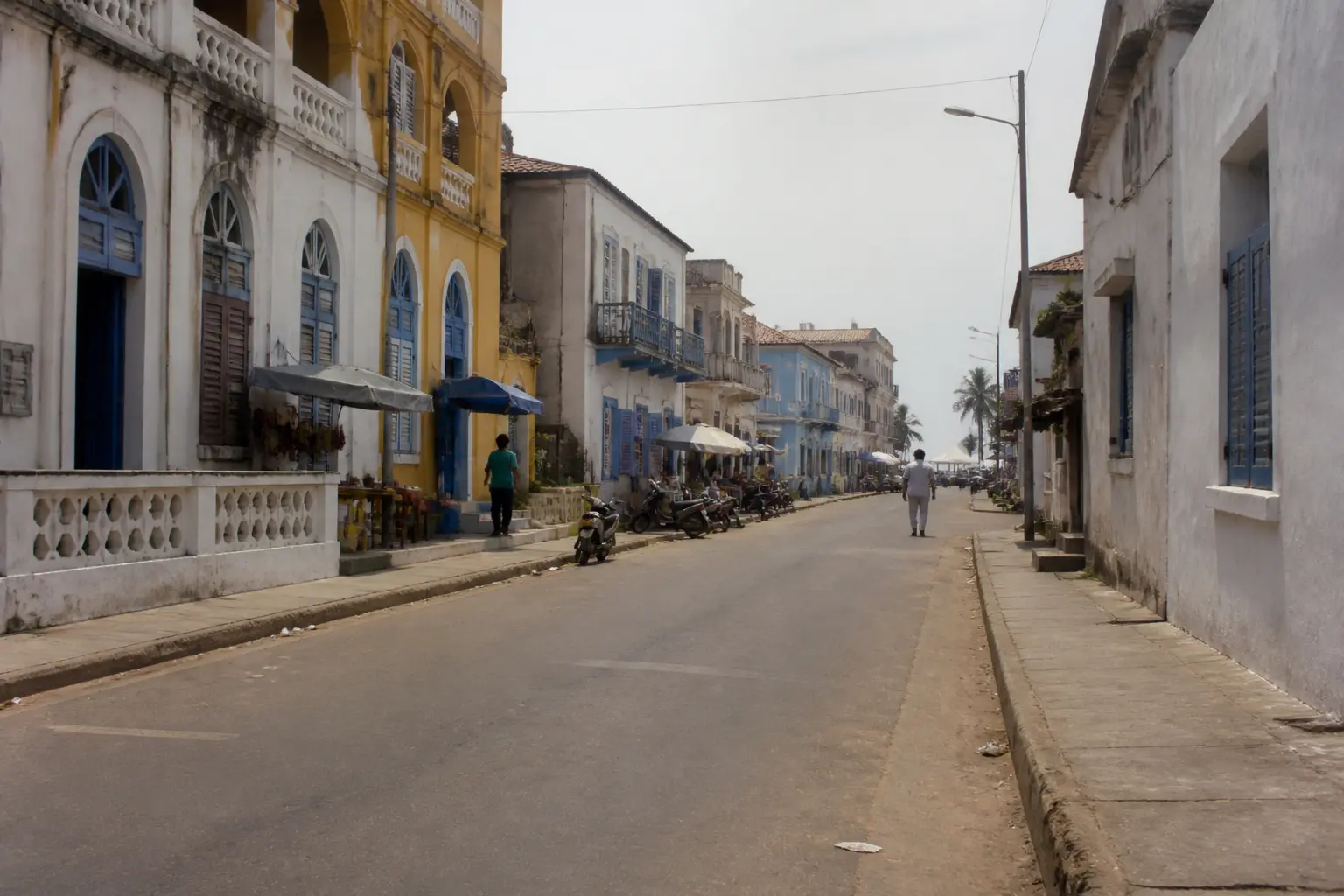
Bissau — Guinea-Bissau's military government has postponed presidential and legislative elections to 26 November 2028, stretching what was meant to be a year-long transition to civilian rule into three. The decision, announced in a decree published on Thursday, fell on the first anniversary of the coup that brought the generals to power.
Transitional President General Horta Inta-a set the new date in a decree seen by the Associated Press, RFI reported. The decree argued that the technical, material and financial conditions needed to organise credible elections were not in place, and warned that holding a vote without meeting legal and operational requirements could undermine its transparency, inclusiveness and public confidence in the process.
That financial argument matters in one of the world's poorest countries, where the state has long struggled to fund basic administration, let alone a national ballot. But the cost of delay is political as much as fiscal: elections had initially been scheduled for next month, and Prime Minister Ilídio Vieira Te said last month that conditions were not in place for a December vote, without offering an alternative date at the time.
The military seized power last November, three days after general elections, ousting President Umaro Sissoco Embalo before official results were announced. Both Embalo and opposition candidate Fernando Dias had claimed victory. Embalo, now living in exile in Morocco, had said he intended to run in December — but the junta barred him from returning last month, citing security and public order concerns.
The postponement follows an August referendum organised by the military in which voters approved constitutional changes expanding presidential powers and shrinking parliament. Guinea-Bissau, a small Portuguese-speaking country in West Africa, has endured repeated coups and attempted coups, a cycle that has deterred investment and kept its economy dependent on cashew exports and foreign aid.
The next test is whether the junta funds and builds the electoral machinery it says is missing. With the ballot now fixed for November 2028, donors and regional bodies will be watching for concrete steps — a budget, a voter register, an electoral commission — long before campaign season arrives.
Sources
This article is based on reporting from: