Gulf states 'braced for worst' as US-Iran Hormuz talks drag on
Indirect talks in Doha over a $6bn asset release and the reopening of the strait of Hormuz stretched into a third day, days before US midterm elections.

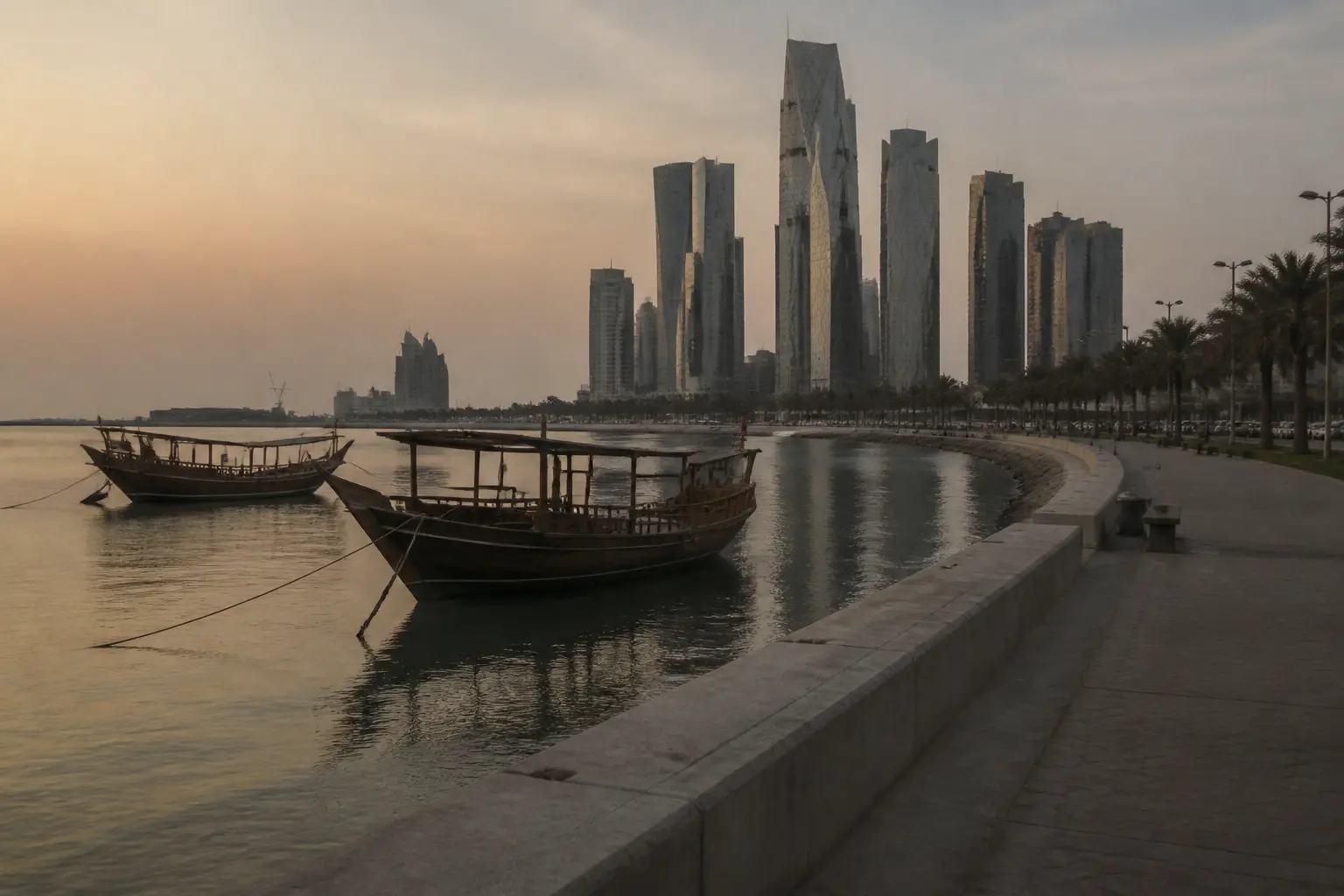
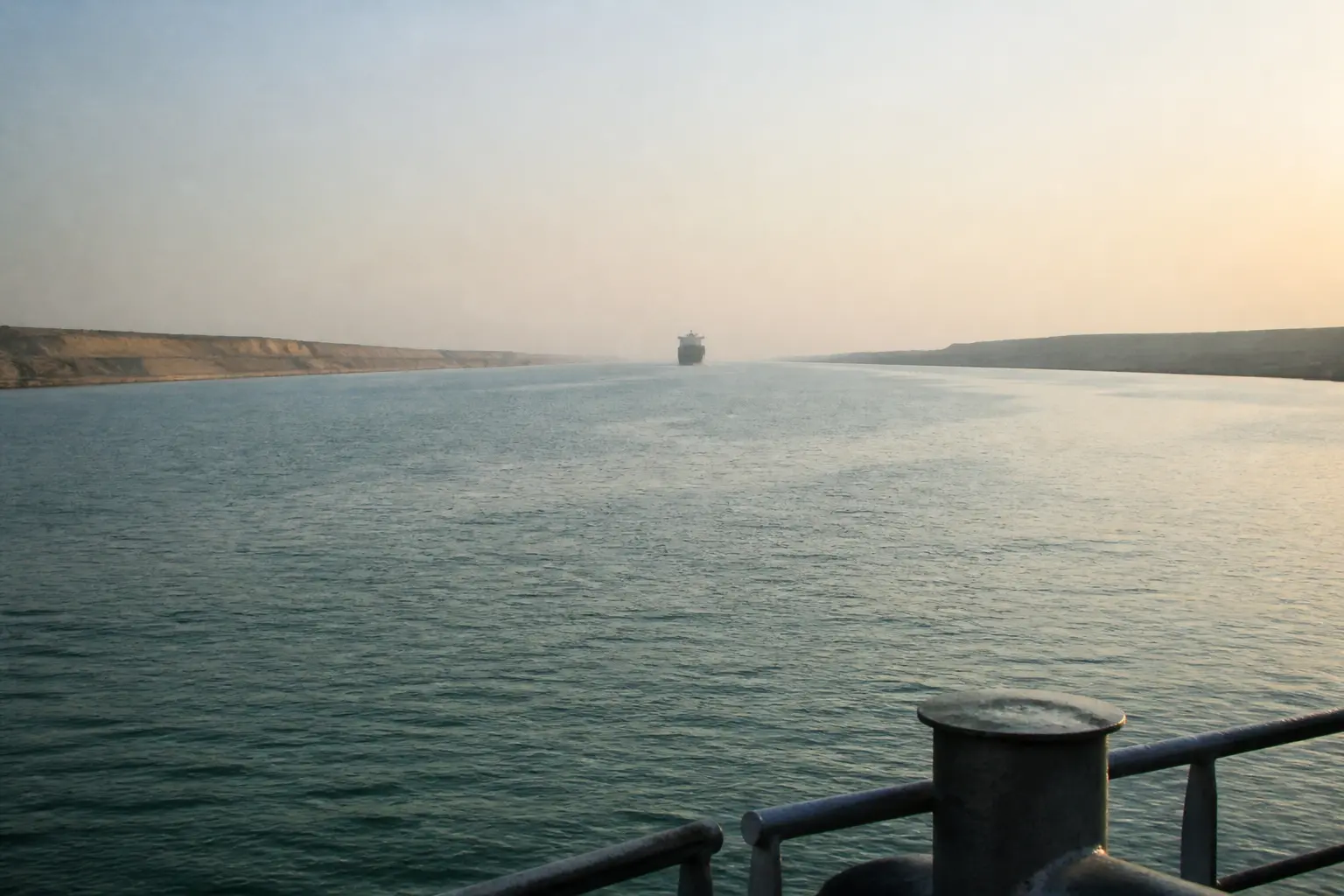
Doha — Indirect talks between Iran and the United States ran into a third day in Doha on Sunday, with Qatari mediators trying to secure the release of more than $6bn in frozen Iranian assets in exchange for the reopening of the strait of Hormuz, the Guardian reported. Officials from the Gulf states said they were "braced for the worst" as they waited for Washington's response, two days before US midterm elections.
Qatar's plan would compress the sequence by which the US lifts sanctions and Iran reopens the waterway and resumes nuclear talks. Tehran has agreed to cut that timetable from seven days to two, a shift first reported when Iran said a two-day plan could reopen the strait.
Iran's foreign minister, Abbas Araghchi, told Al Jazeera on Saturday that Tehran would open the strait within two days of the US lifting its blockade on oil ships, releasing Iranian assets and ending sanctions on Iranian oil exports. "We are prepared for all scenarios," he said, adding that Iran's forces were at their "highest level of readiness". He said there were no plans for direct talks with Washington.
Donald Trump said on Saturday the US had knocked out much of Iran's military but still had to "take care of" one or two targets, describing negotiations as "going fine but you know they're not very reliable". Secretary of state Marco Rubio said Washington was open to a diplomatic solution, while Iran's security chief, Mohsen Rezaei, confirmed he had received a letter from vice-president JD Vance seeking to revive talks. Rezaei noted a positive change in tone but said he had yet to respond.
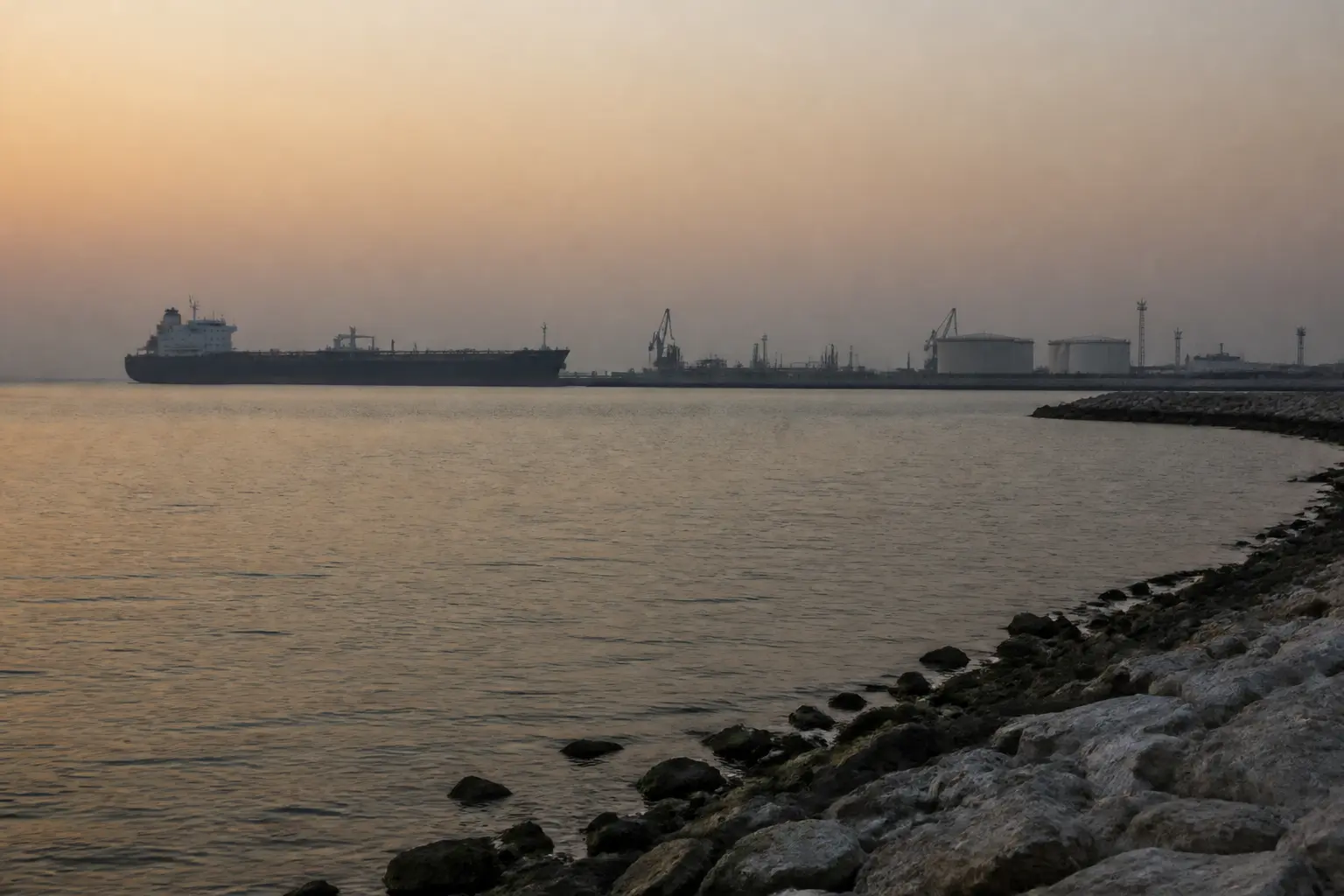
The mediation has continued under fire. Unidentified missiles struck a Pakistan-bound Qatari LNG tanker near the strait on Friday, hours after the vessel received safe-passage approval from Tehran — an attack Wide World News reported earlier this week. The Emirates' envoy Anwar Gargash said further escalation served neither Iran nor its neighbours, adding: "We are also, as we have shown before, braced for the worst."
The war began in February when the US and Israel attacked Iran. The core dispute remains unresolved: Ali Nikzad, deputy speaker of Iran's parliament, said Tehran would not negotiate on its nuclear programme "under any circumstances or under any pressure", while the supreme leader's office demanded "maximum deterrence" against any new threat. According to CNA, Sunday marked a third day of talks aimed at ending the war.
Araghchi is due in Turkmenistan on Monday, leaving other Iranian diplomats at the table. For the Gulf states whose tankers and ports sit in the line of fire, the wait now is for Washington's answer — and for whether the strait's shipping lanes reopen before Tuesday's vote.
Sources
This article is based on reporting from:
- The Guardian Negotiators ‘braced for worst’ over US-Iran talks to reopen strait of Hormuz | Iran
- CNA Iran, Qatari mediators hold third day of talks to end US-Iran war
- Al Jazeera Iran and US explore diplomacy amid rising threats of war | US-Israel war on Iran News | Al JazeeraplayShow navigation menuplaysearchcaret-leftcaret-rightListenshare-nodesfacebookxwhatsapp-strokecopylinkgoogleinfoToggle Playaj-logoaj-logoaj-logofacebooktwitteryoutubeinstagram-colored-outlinerssblueskytiktok-colored-outline