Spain train crash dead include US, Japan and Canada citizens
Four Americans and nationals of Canada, Japan and four other countries are among the 69 killed in the Urda high-speed collision, Spanish authorities say.
 By Henrik LindqvistEurope correspondent 2 min read
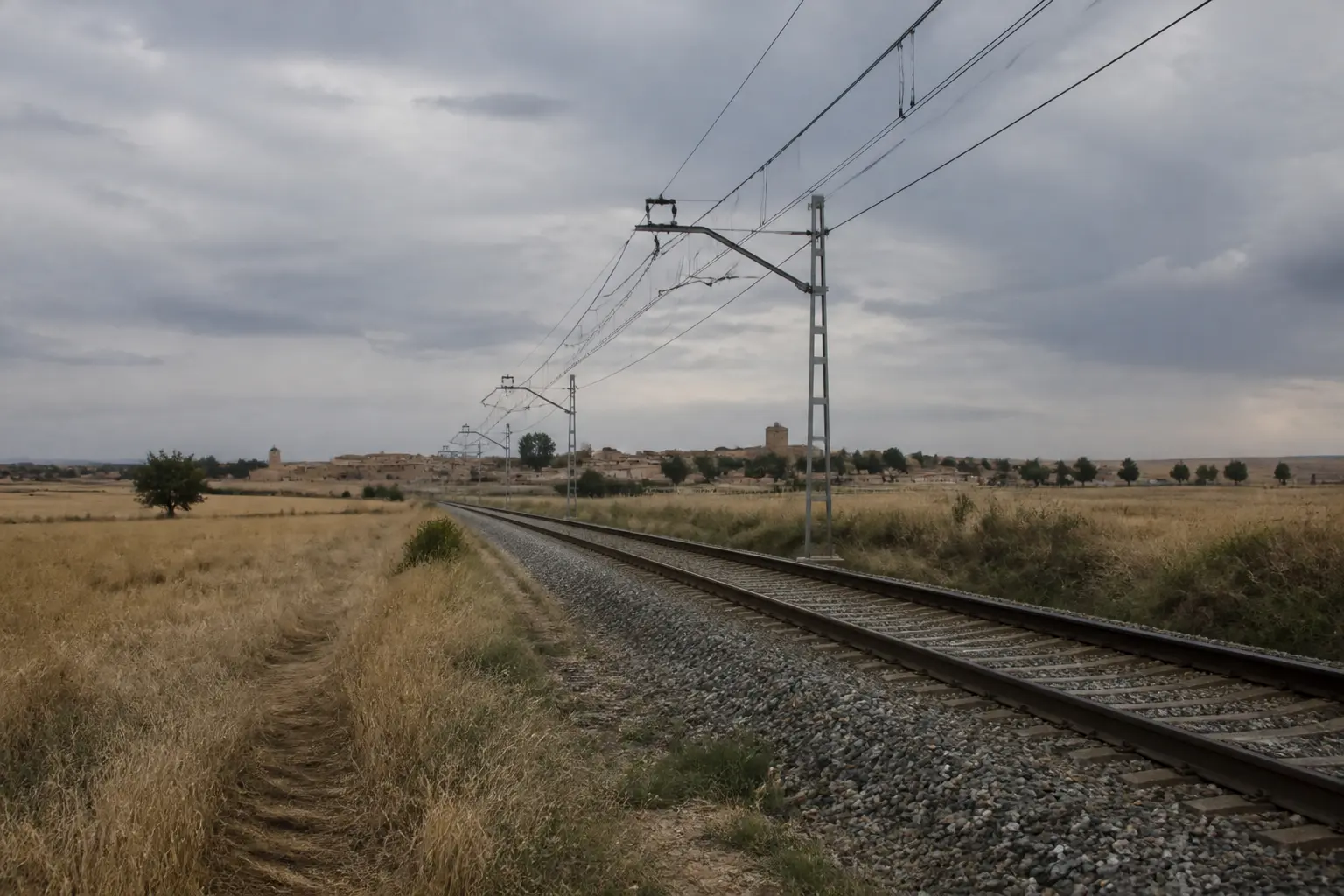
Urda — Four US citizens and one national each from Canada, Japan, Argentina, Mexico, Tunisia and the Czech Republic were among the 69 people killed in last week's high-speed train collision in central Spain, authorities have said. The confirmation, reported by the Guardian, widens the toll of one of Europe's deadliest rail accidents this century well beyond Spain's borders.
The legal body overseeing the identification work, made up of police and forensics experts, announced the 10 latest confirmed foreign victims in a statement late on Sunday. It had previously confirmed the deaths of 54 Spaniards, along with one French and one Portuguese citizen. All but three of the dead have now been identified.
Three missing-person reports remain active, concerning two Australians and one Japanese citizen. The authorities said the families involved had asked to travel to Spain to carry out in-person identification, and that they were awaiting their arrival. Relatives have endured days of waiting as forensics teams worked, in some cases, from individual body parts.
The crash happened on Wednesday when a service operated by state rail company Renfe ran into the back of a stationary train belonging to the private Spanish operator Iryo, just outside the village of Urda, around 130km south of Madrid. The failure of an automatic safety system had halted all trains on a 63km stretch of track; a control centre then authorised the Renfe service to resume its journey while the other train was still standing. Survivors have described the impact as a "split-second" horror, as Wide World News reported.
This was Spain's second deadly high-speed collision this year. A crash in the southern region of Andalusia in January killed 46 people, and the Urda disaster has sharpened scrutiny of rail safety and of the government ahead of a general election on 29 November, in which Socialist leader Pedro Sánchez is seeking to extend his eight-year premiership despite unfavourable polls.
What remains is the unfinished business of the disaster: the identification of the final three victims once their families reach Spain, and whatever the investigation establishes about why a control centre waved a train through on a track that was not clear. The answers will land in the middle of an election campaign.
Sources
This article is based on reporting from: