Iran says China and Russia oppose change to its nuclear doctrine
Foreign Minister Abbas Araghchi says Tehran's doctrine is unchanged, as debate grows among hardliners after US and Israeli strikes on nuclear sites.

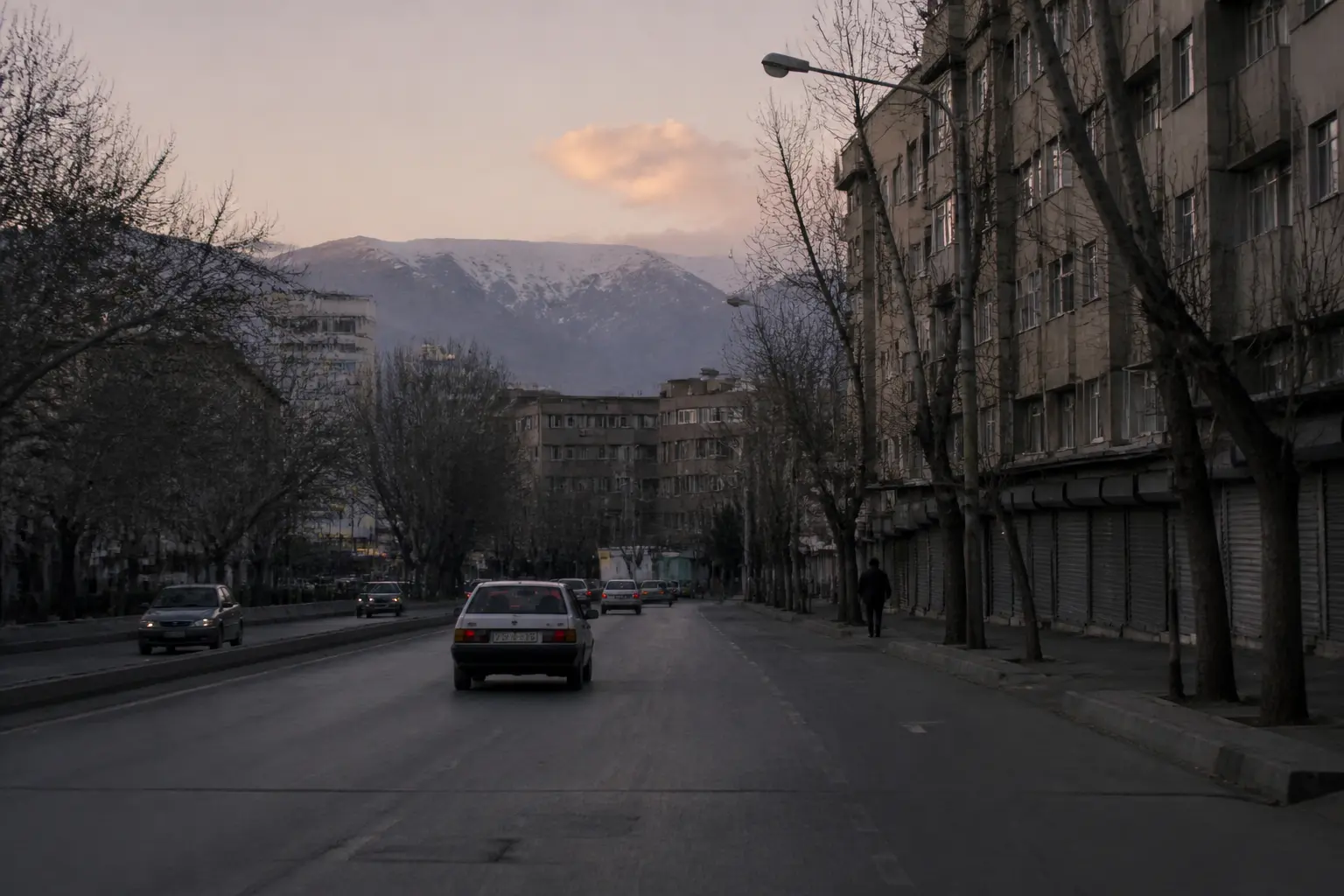
Tehran — Iran's Foreign Minister Abbas Araghchi has said that China and Russia, Tehran's two closest strategic partners, oppose any change to the country's nuclear doctrine, as debate over acquiring a nuclear weapon resurfaces among Iranian hardliners.
In an interview with the state-run Iran Daily newspaper published on Saturday, Mr. Araghchi called the issue "broad, serious" and said it had its own "supporters and opponents". "Russia and China are also opposed" to a change, he added, according to The Hindu. Both countries hold strategic cooperation agreements with Iran.
"What matters is that, up to this point, our doctrine has not changed, and our official positions remain the same as before," he said.
The debate has returned to Iran's political circles after wars with Israel and the United States in which Iranian nuclear facilities came under heavy attack. Some advocates of a shift argue it would open the way for Tehran to build a nuclear weapon as a deterrent. Officials continue to cite a fatwa, or religious decree, issued by former supreme leader Ayatollah Ali Khamenei prohibiting weapons of mass destruction, including nuclear arms.
Mr. Khamenei was killed in a US-Israeli strike on his compound in central Tehran on February 28, triggering a regional war as Iran answered with missile and drone attacks across West Asia. His successor and son, Mojtaba Khamenei, out of public view since his appointment in March, has not issued any decree overturning his father's ruling.
Iran has meanwhile barred the International Atomic Energy Agency from inspecting its nuclear sites, citing security concerns and faulting the agency for failing to condemn the US and Israeli attacks. Last week the UN watchdog urged Tehran to take "incremental steps" to let inspectors back into key facilities, calling such access "critical". What inspectors will find, and whether the doctrine holds, is what diplomats in Tehran and beyond are now waiting to see.
Sources
This article is based on reporting from: