Iran claims strike on US radar in Bahrain; Washington denies
Tehran says it destroyed a US radar in Bahrain in retaliation for a strike on Sirik; Washington says it intercepted two drones and reports no damage.


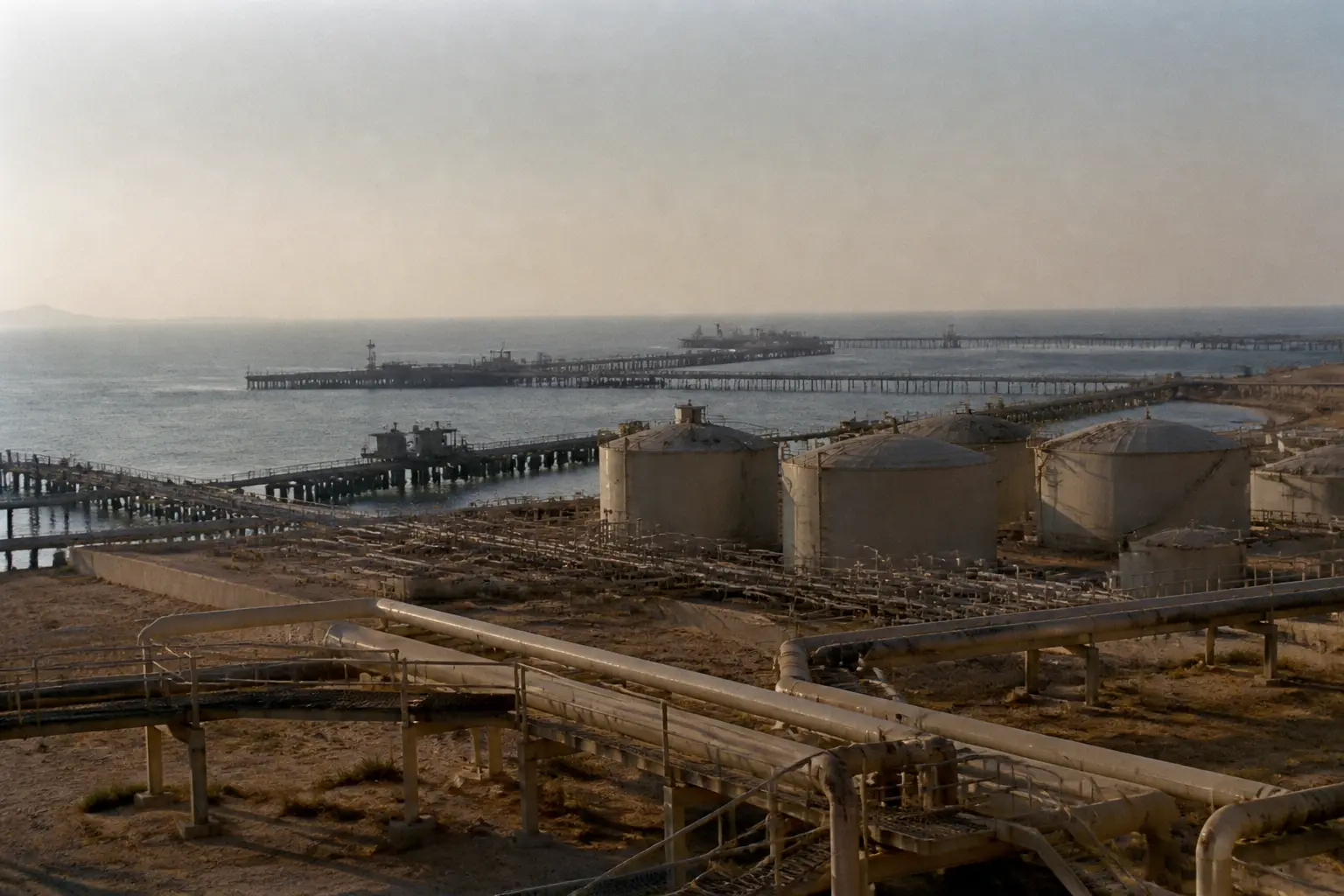
Tehran — Iran's Revolutionary Guards say they destroyed a US early-warning radar system in Bahrain on Friday, in what they called retaliation for an American airstrike on a telecommunications tower at Sirik, on the Iranian shore of the Strait of Hormuz. The US military flatly denied the claim, saying its forces intercepted two Iranian drones and reported no casualties or damage.
"A few hours ago, IRGC Aerospace Force fighters targeted and destroyed the US aggressors' early-warning radar on the island of Bahrain," the Guards said in a statement carried by Iranian state media, according to CNA. They described the operation as "a serious warning to the aggressor enemy to stop its aerial provocations and oil smuggling in the Strait of Hormuz", and warned the force was on full alert to respond to further violations. None of the claims could be independently verified.
Several hours later, US Central Command said it had intercepted two "one-way attack drones" launched at Bahrain by the Guards. It denied the radar had been destroyed and reported no casualties or damage, DW reported.
The Guardian described the strike as Iran's first direct attack on US military installations for months. Bahrain has been a repeated target: Tehran hit American bases there earlier in the war, with US media reporting damage to a logistics hub extensive enough that the US Navy is now relying on bases thousands of miles away.
The exchange comes during an uneasy de-escalation in the war that began on Feb 28, when the US and Israel launched surprise strikes on Iran. Iran has since restricted shipping through Hormuz and struck infrastructure and US assets across the region, while Washington has blockaded Iranian ports and pursued what it calls an "economic asphyxiation" campaign. Centcom said last month it had helped Gulf countries export 1.5 billion barrels of oil through the strait since the summer.
Politically, Washington has appeared to soften its tone since the Republicans' midterm defeat, driven in part by the war's unpopularity. President Donald Trump has told media interviews he would attack Iran only if necessary, and said Gulf states such as Saudi Arabia urged him to hold back. He has also pulled Vice-President JD Vance off Iran negotiations, redirecting him to domestic issues. Trump is expected to discuss ending the war with China's Xi Jinping and Russia's Vladimir Putin at next week's Apec summit in Shenzhen.
For now, the two sides cannot even agree on what happened over Bahrain. What people in the Gulf are watching for is whether Friday's exchange stays an isolated claim and counter-claim — or marks the end of the pause in direct strikes.
Sources
This article is based on reporting from: