Iran weighs Qatari proposals with nuclear issue back in play
Tehran is studying a Qatari bridge plan that would reopen the Strait of Hormuz and put its uranium stockpile on the table for the first time.

Washington — Iran is studying proposals put forward by chief mediator Qatar that would bring its nuclear programme into talks with the United States for the first time since the war began, officials from both countries said on Friday. The shift raises the possibility of a breakthrough in negotiations to end a conflict now more than eight months old, which have been stalled since an interim peace deal agreed in June collapsed.
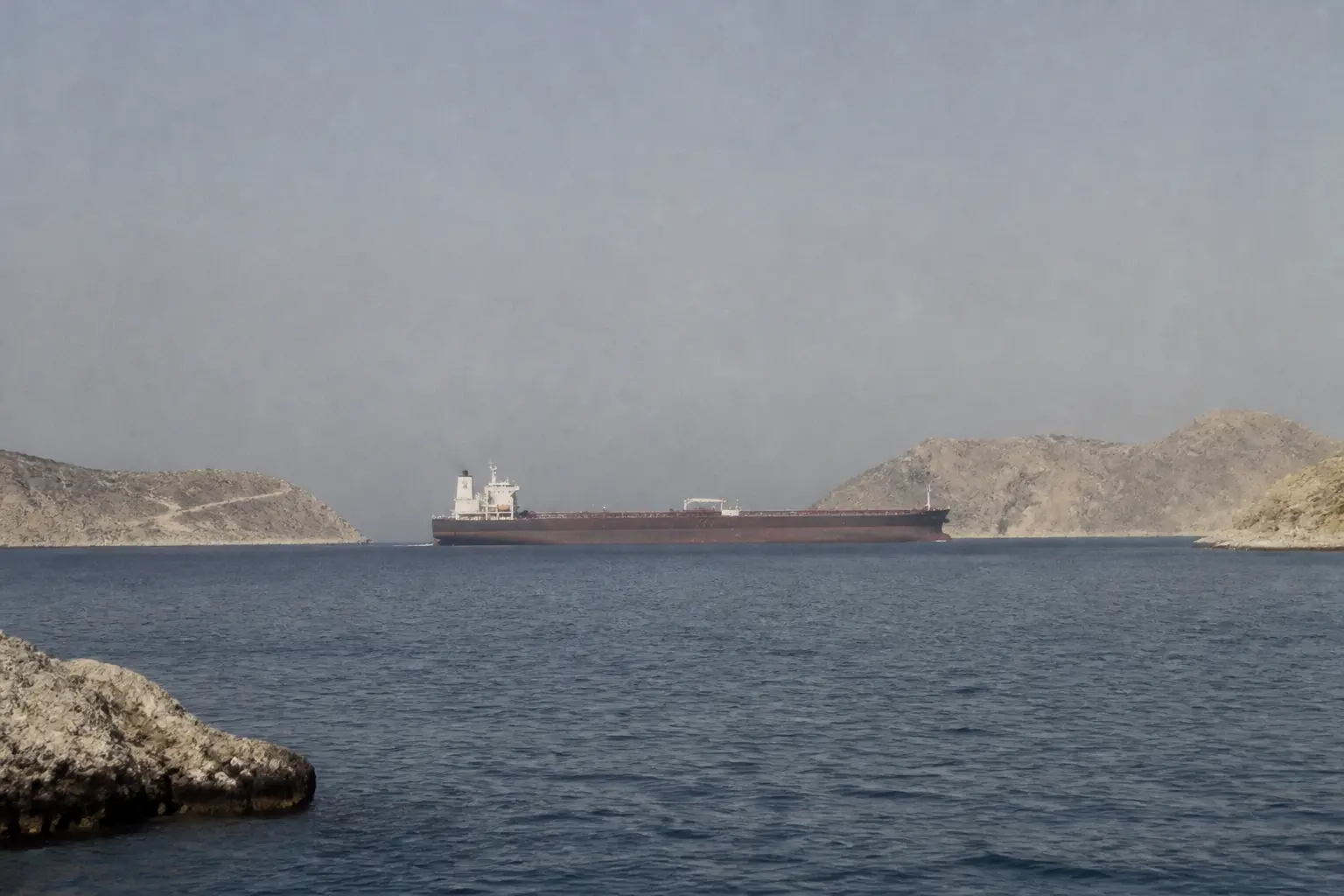
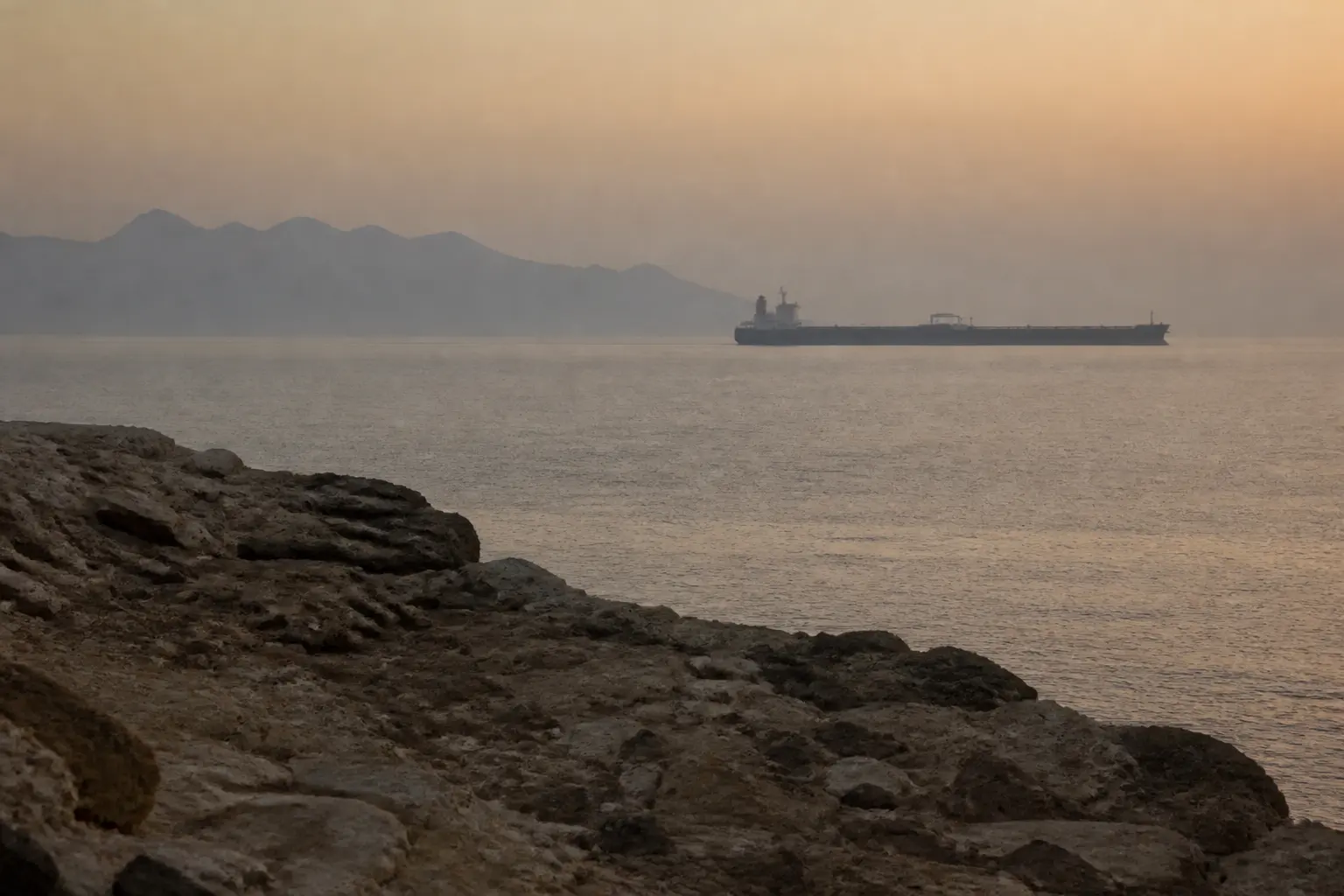
According to regional officials cited by The Hindu, the Qatari plan is a bridge deal built around two days of trust-building measures. On the first, the US would lift its blockade of Iran's ports and release some of the billions of dollars in frozen Iranian funds; Tehran would admit International Atomic Energy Agency inspectors to sites bombed by the US and Israel. On the second, Iran would reopen the Strait of Hormuz under a modified agreement reached with Oman but not yet approved by Washington. Only then would the two sides open extensive talks on Iran's stockpile of highly enriched uranium.
One official cautioned that Iran remains unwilling to negotiate on its atomic activities until Washington meets core conditions: ending the blockade, lifting sanctions, unfreezing assets, paying compensation for war damage and halting hostilities across the region, including Israeli operations in Lebanon. President Trump has declined those demands in the past. On Friday he told reporters: "We are talking to Iran. We have been." The White House declined to comment on the Qatari proposals.
The movement comes days after Trump's Republican Party suffered a heavy defeat in Tuesday's midterm elections, a result stoked in part by voter anger over his handling of the war and the fuel prices it has driven up across the global economy. A diplomat with knowledge of the talks told The Japan Times that any concession on the nuclear file, previously off the table, could mark a significant step forward.
"We will never have a perfect peace deal but you can't wait for that perfect moment" at the expense of getting a good deal, Qatar's Prime Minister Sheikh Mohammed bin Abdulrahman Al Thani said in an interview at Oxford University on Friday.
The stakes are technical as well as political. According to the IAEA, Iran holds 440.9 kg of uranium enriched up to 60% purity, a short step from the 90% considered weapons-grade. Tehran has long insisted its programme is peaceful. Meanwhile the violence continues: Iran's official news agency IRNA reported that two missiles struck Qeshm Island in the Strait of Hormuz, with semi-official outlets saying there were no casualties, according to Al Jazeera.
For now, both sides are waiting on Tehran's answer to the Qatari paper. If it accepts, inspectors could return to Iran's bombed sites within days, and tankers could move again through the strait under a temporary arrangement. Gulf states and fuel markets are watching for the same signal: whether a bridge deal can hold long enough for the harder talks to begin.
Sources
This article is based on reporting from:
- The Hindu Iran reviewing proposals on Tehran’s nuclear programme: Officials
- The Japan Times U.S. and Iran edge closer to deal with nuclear issue back in play
- Al Jazeera Iran war live: Qatar says US, Iran should not wait to reach a peace deal | US-Israel war on Iran News | Al JazeeraplayShow navigation menuplaysearchcaret-leftcaret-rightblinking-dotshare-nodesfacebookxwhatsapp-strokecopylinkgoogleinfofacebooktwitteryoutubeinstagram-colored-outlinerssblueskytiktok-colored-outline