Khamenei grants Iran's government new powers for US peace talks
Iran's president says the supreme leader has given his government new powers for peace talks, as Trump hints a deal is possible and Qatar relays proposals.

Tehran — TEHRAN — Iran's president says the country's supreme leader has granted his government new authority to pursue peace talks with the United States, the clearest sign yet that Tehran is preparing the ground for a deal to end months of war.
President Masoud Pezeshkian said Ayatollah Ali Khamenei had "granted certain powers to the government" to resolve the conflict through dialogue, the state-run IRNA news agency reported on Monday, according to The Japan Times. In Washington, President Donald Trump has separately hinted that a deal with Iran could happen.
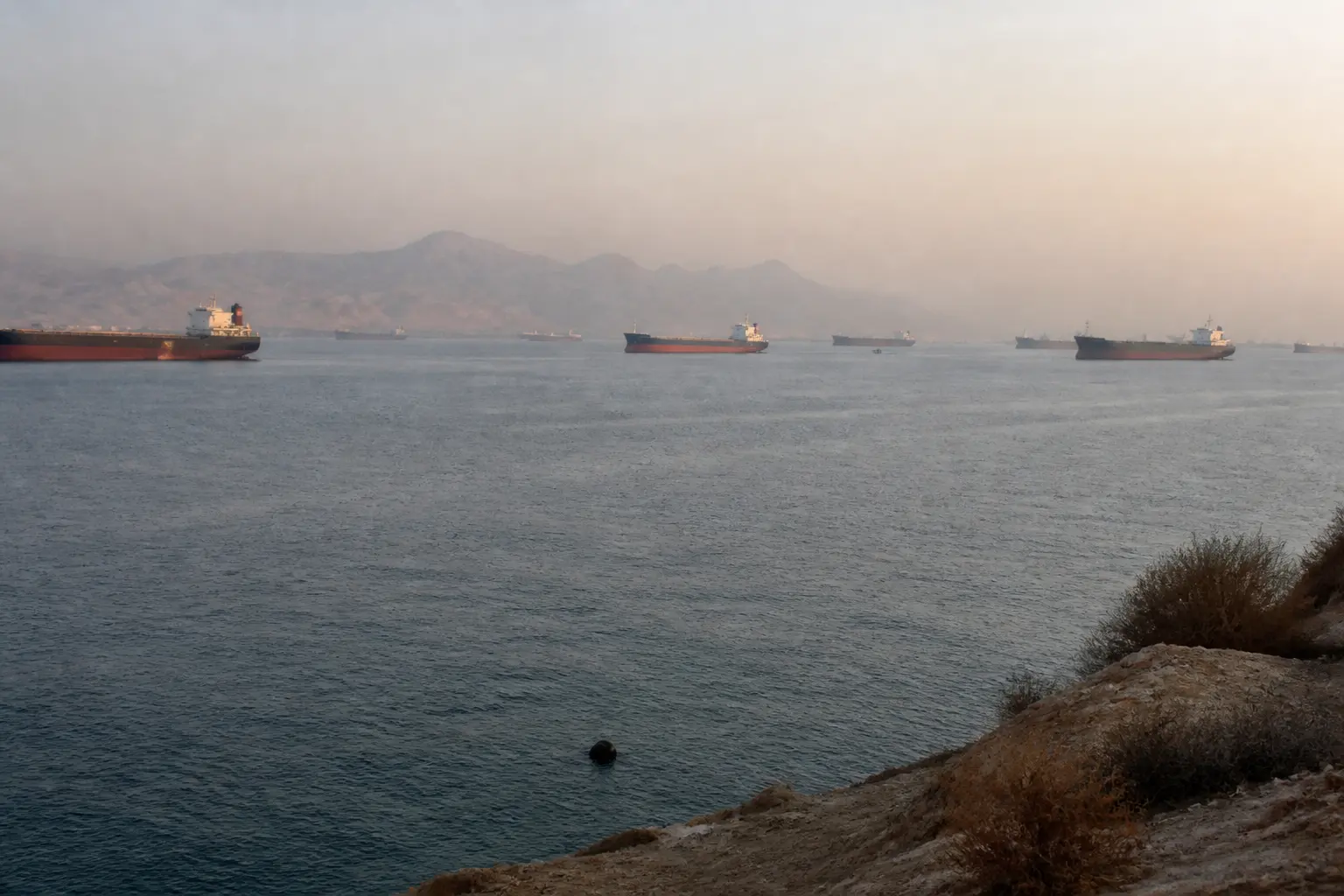
The stakes are as much economic as military. Iran's armed forces chief of staff, Major-General Ali Abdollahi, has set out five conditions for what he calls lasting security: an end to hostilities on all fronts including Lebanon and Gaza, the complete lifting of sanctions, the unfreezing of Iranian assets, war reparations, recognition of Iranian sovereignty over the Strait of Hormuz and a guarantee against future aggression, the Tasnim news agency reported, according to Al Jazeera. Sanctions relief would let Iran sell oil openly again, a prospect that has already pulled crude prices lower.
Qatar is shuttling between the two capitals. Its foreign ministry spokesman, Majed al-Ansari, said a Qatari delegation spent more than three hours with Iranian officials in Tehran on Monday and that both sides were reviewing Doha's proposal. "If there were no glimmer of hope, there would be no negotiations," he said, while warning that any escalation "will have an impact on the negotiations".
That escalation risk is real. US officials said American forces carried out limited strikes on Qeshm Island on Monday after Iran allegedly targeted a US aircraft, while Iran's Revolutionary Guard said it downed two US reconnaissance drones. Iran's lead negotiator, parliament speaker Mohammad Bagher Ghalibaf, said "the ball is in America's court to prevent war", and security chief Mohsen Rezaei said Washington's response to Iran's demands was "not convincing".
The mistrust runs deep. Al Jazeera's correspondent in Tehran noted Iran says the US attacked it twice while diplomacy was under way, which is why it wants concrete steps first: sanctions lifted, the naval blockade removed, frozen assets returned and oil sales restored.
The next test arrives with the US midterm elections on Tuesday, after which both sides must decide whether to turn Khamenei's new mandate into a signed framework — or let the talks over the strait slide back towards war.
Sources
This article is based on reporting from:
- The Japan Times Khamenei empowers talks as Trump says Iran deal could happen
- CNA US signals progress in talks with Iran to avert renewed war
- Al Jazeera Iran commander sets out five conditions for regional security | US-Israel war on Iran News | Al JazeeraplayShow navigation menuplaysearchcaret-leftcaret-rightListenshare-nodesfacebookxwhatsapp-strokecopylinkgoogleinfoaj-logoaj-logoaj-logofacebooktwitteryoutubeinstagram-colored-outlinerssblueskytiktok-colored-outline