Myanmar faces historic genocide verdict at UN court over Rohingya
The UN's top court is set to rule in The Gambia's seven-year genocide case against Myanmar, a verdict with no precedent against a state.

The Hague — Judges at the International Court of Justice are set to deliver a verdict on Thursday in the seven-year-old genocide case brought by The Gambia against Myanmar over the 2017 expulsion of the Rohingya — a ruling that could, for the first time, find a state guilty of genocide by an international court, the BBC reported.
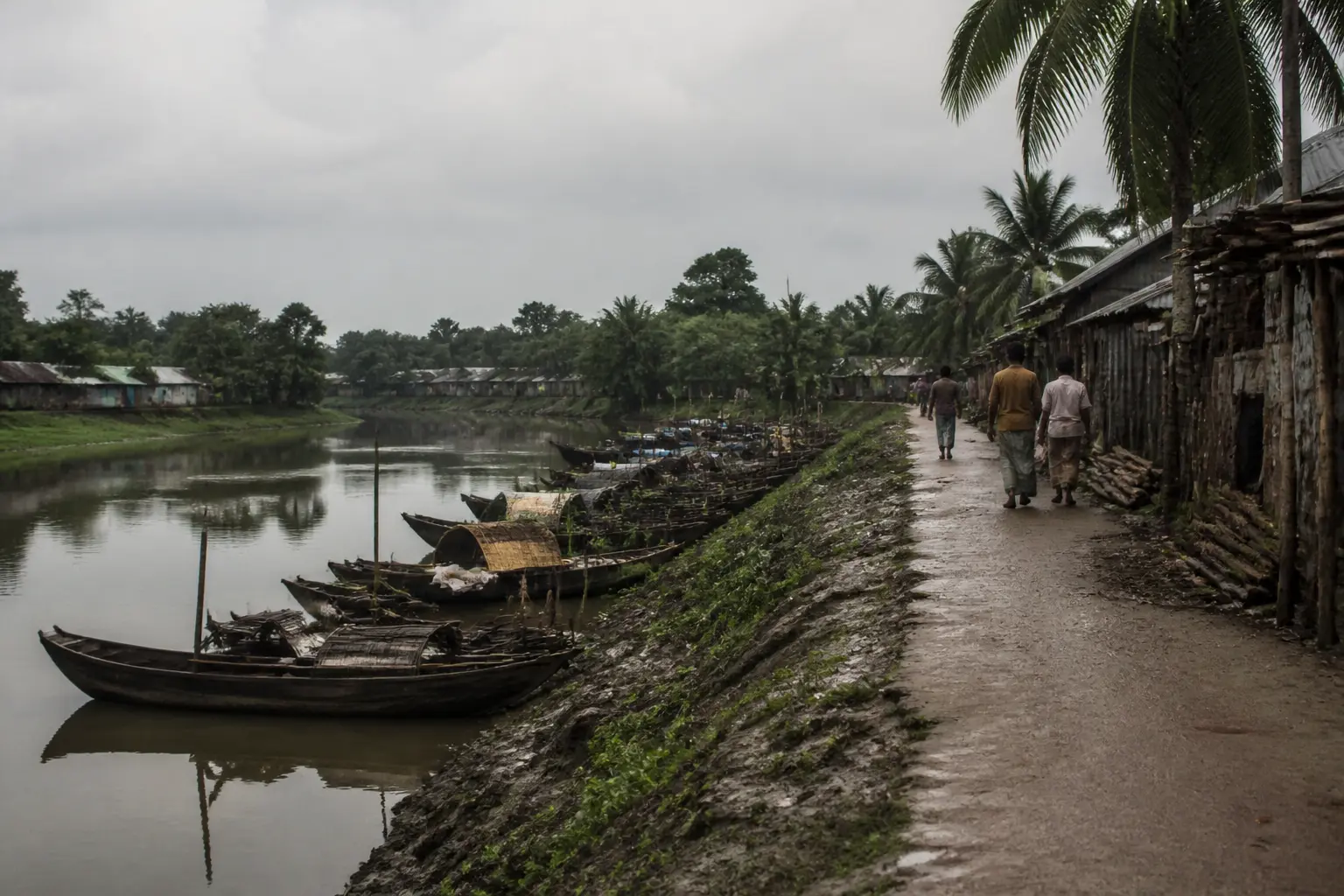
The case stems from the mass expulsion of the Rohingya population of Rakhine State in August and September 2017, when hundreds of thousands fled to neighbouring Bangladesh. Accounts of killing, torture and mass rape by Burmese soldiers have been documented by human rights groups and a United Nations fact-finding mission. Myanmar has denied accusations of ethnic cleansing or genocide, saying its forces were responding to attacks by Rohingya militants with military "clearance operations".
The Gambia, backed by the Organisation of Islamic Co-operation, filed the case in November 2019, arguing that all states are bound by the 1948 Genocide Convention and so all have an interest in upholding it. Myanmar objected, but ICJ judges ruled The Gambia was eligible to proceed. The case drew global attention when Aung San Suu Kyi, then head of Myanmar's elected government, personally led the initial defence at The Hague; since her removal in the 2021 coup, the defence has been run by a military-appointed team.
The legal bar is high. Judges typically require that the only reasonable inference from the evidence is genocidal intent. When Bosnia-Herzegovina sued Serbia at the ICJ in 1993, the court took 14 years to rule that the 1995 Srebrenica massacre was genocide but that Serbia's own genocidal intent was not proven. Suu Kyi argued that war crimes may have occurred but that this is not proof of genocidal intent. The Gambia's lead lawyer, Arsalan Suleman, has countered that decades of discrimination — including the 1982 citizenship law and restrictions on education, healthcare and travel — point to intent.
A verdict for The Gambia would carry no penalty, and there is no right of appeal. But it would brand Myanmar with what the BBC called "the crime of crimes". For the more than a million Rohingya stuck in camps in Bangladesh, barred from employment as funding dries up, the ruling matters deeply. "This is like formal recognition of our suffering," Mohammed Nowkim, a Rohingya now living in Canada, told the BBC.
Any path home looks remote: Rakhine State is now mostly controlled by the insurgent Arakan Army, whose Rakhine support base is hostile to the Rohingya's return, and many villages have been destroyed. The first measure of the verdict's weight will come with Thursday's reading at The Hague — and, if The Gambia prevails, whether other states act on it.
Sources
This article is based on reporting from: