New Zealand's National and Labour level in early vote count
With 27 percent of results counted, both main parties sit just short of 30 percent each, and the centrist Opportunity Party could emerge as kingmaker.

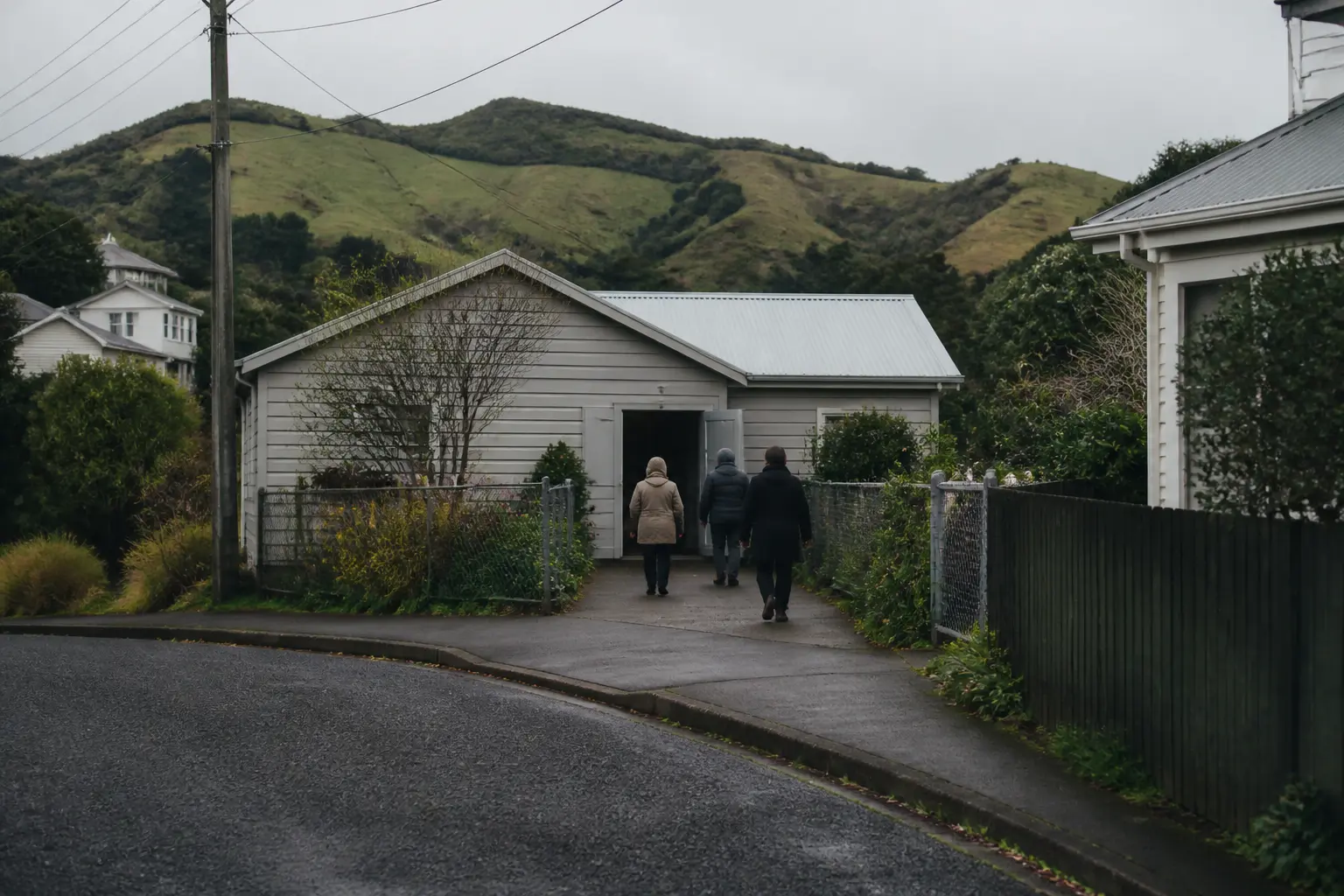
Auckland — New Zealand's governing centre-right National Party and the main opposition Labour Party were running neck and neck after Saturday's general election, each polling just short of 30 percent of the popular vote with only 27 percent of results counted, according to figures from the Electoral Commission reported by Al Jazeera.
The Electoral Commission said the early count pointed to the three-party ruling coalition led by National holding a majority of just one seat in the typically 120-seat parliament. It added that the centrist Opportunity Party would clear the 5 percent threshold needed to enter parliament, making it a potential kingmaker.
Polling stations opened at 9am and closed at 7pm on Saturday. The commission aims to release preliminary results from 95 percent of polling stations by the end of election night, with a final result including overseas ballots expected by November 27. All votes are counted by hand, and there is no fixed timeframe for forming a government.
The campaign was at times dubbed the "supermarket election", with grocery prices and supermarket competition a key battleground. Peter Dunne, a former minister in both National and Labour-led governments, told Al Jazeera the contest was "much more of a cost-of-living election", describing the two main parties as practically "carbon copies of the other" and noting strong showings for the Green Party, ACT New Zealand, New Zealand First and the Opportunity Party, which he called one of "the big stars of this campaign".
National pledged to return the budget to surplus through fiscal discipline while expanding the national pension scheme; Labour promised cheaper healthcare and transport. Under New Zealand's mixed-member proportional system, held every three years, voters choose a local electorate candidate and a party rather than directly electing a leader.
Dunne said the Opportunity Party would talk first to the largest party, which appears to be National, but with no guarantee of a deal. "We could face weeks of interparty negotiations to form a government," he said, adding that parliament must sit by early January and that New Zealand could go into Christmas with no clear government.
Sources
This article is based on reporting from: