Tanzania jails Lissu for four years as treason charge dropped
Tundu Lissu was cleared of treason but convicted of incitement, a charge he never faced, after 19 months behind bars in a case condemned abroad.

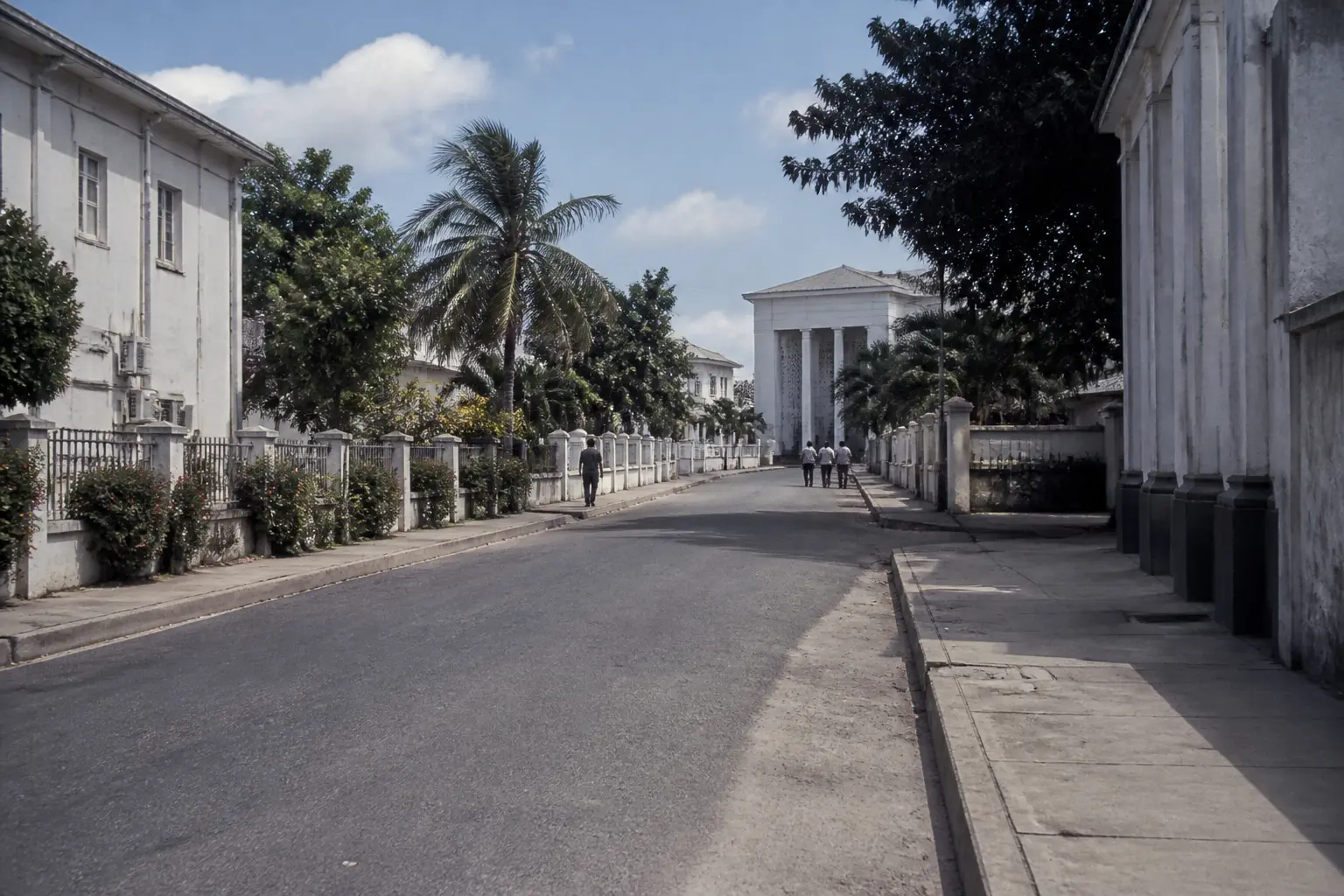
Dar es Salaam — Tanzania's main opposition leader, Tundu Lissu, was sentenced to four years in prison on Friday after a court convicted him of inciting unrest, even as it cleared him of treason, a charge that carried the death penalty. The verdict, delivered under heavy security in the commercial capital, ended a case that had drawn condemnation from abroad and warnings of further unrest at home.
A panel of three judges at the High Court found that remarks by the 58-year-old Chadema leader were intended to disrupt elections and encourage violence. "We are satisfied that through his statements, the accused intended to disrupt elections and instigate violence," the judge told a courtroom packed with supporters, according to RFI. But the conviction came on a charge Lissu had never faced. Incitement was not among the counts in the case, a point he seized on in court.
"I was not charged with incitement but you judges are convicting me with it just to impress the person who gives you the titles," Lissu said, apparently referring to President Samia Suluhu Hassan, DW reported. He called the trial "political persecution" and said "excuses were created to imprison me". The government has not responded publicly to his remarks about judicial directives.
Lissu, a lawyer who had awaited the verdict after 19 months in jail, was arrested in April 2025 over a speech in which prosecutors said he told supporters the opposition would "block the election" and "mobilize rebellion". He pleaded not guilty, arguing his campaign for electoral reform, run under the slogan "No Reforms, No Election", broke no law. In his closing arguments he urged the judges to act "without bias, with courage and with the dignity carried by your judicial oaths".
His arrest, Chadema's exclusion from the October 2025 presidential election and alleged abductions of government critics helped fuel nationwide protests. Hassan won with 98 percent of the vote. A government-appointed commission reported in April that at least 518 people were killed and blamed protesters for the violence; the opposition and rights groups put the toll in the thousands, and the government has denied accusations of excessive force. Hassan has insisted the election was fair and blamed foreigners for the unrest, Africanews reported.
The trial drew criticism from British and European Union lawmakers, who called it politically motivated and wrote to Hassan that "the use of capital punishment against a political opponent risks turning the justice system into an instrument of political repression". Opposition lawmaker Ado Shaibu called it "a dark day for the rule of law". Police had warned before the verdict against "those who want to stage a coup". Chadema's supporters, who gathered outside the court, are now waiting to see whether Lissu will appeal.
Sources
This article is based on reporting from: