Oil rises over 1% after Houthi claim of strike on Saudi refinery
Brent crude climbed to $115.47 a barrel after Yemen's Houthis said they hit Saudi Arabia's biggest refinery, reviving fears over supply from the Gulf.

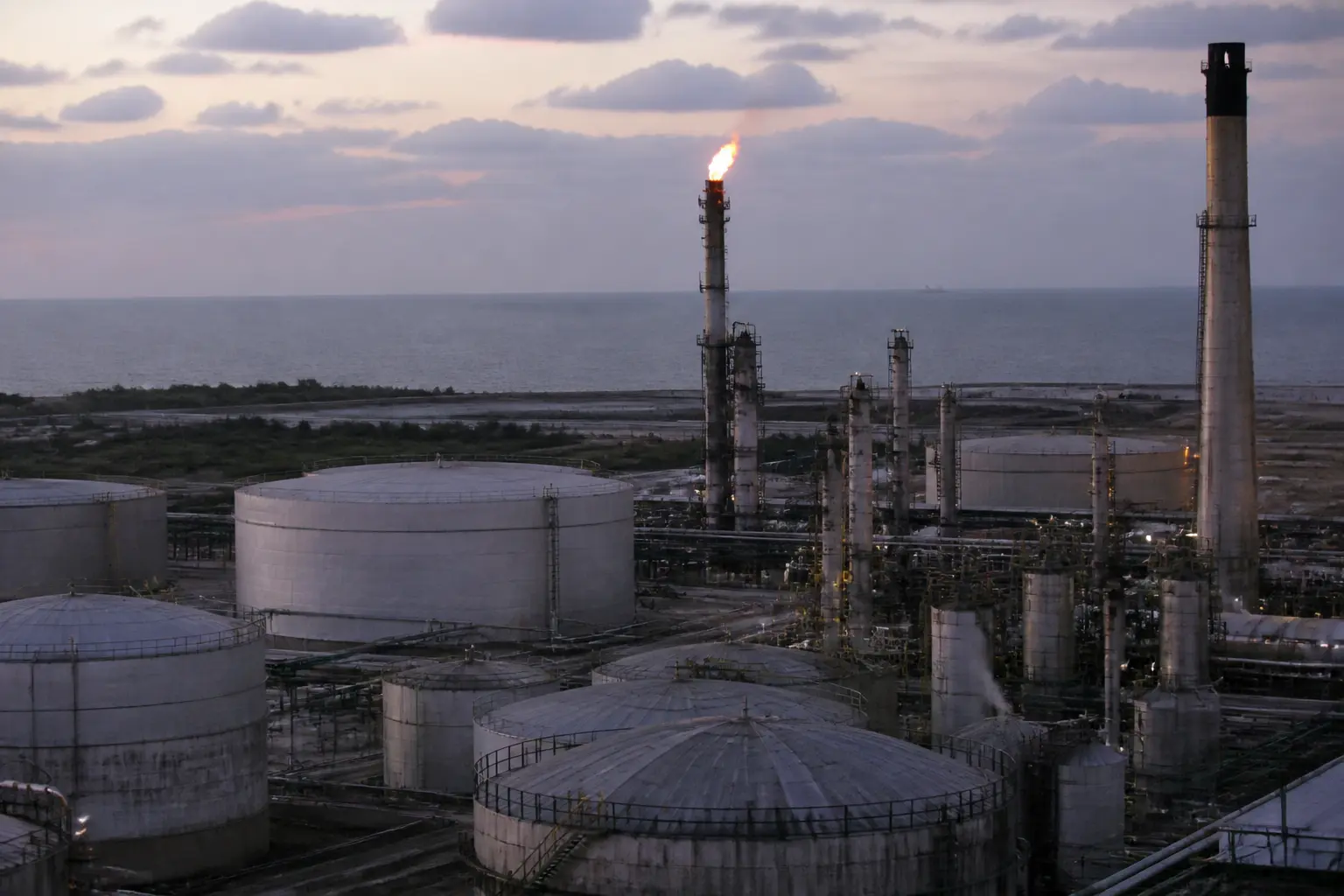
Singapore — Oil prices climbed more than 1% on Wednesday after an attack on a refinery in Saudi Arabia renewed concerns over supply risks from one of the world's biggest exporters. Yemen's Iran-aligned Houthis said they had struck the kingdom's largest oil refinery with a missile, intensifying their campaign against the world's second-largest crude producer.
Brent crude futures gained $1.59, or 1.4%, to $115.47 a barrel as of 4:35 GMT, while U.S. West Texas Intermediate rose $1.43, or 1.4%, to $101.33, The Hindu reported. Prices swung higher after dropping nearly $2 on Tuesday.
The Houthis said on Tuesday they had hit the 550,000 barrel-per-day facility with a missile. Saudi authorities did not immediately confirm the strike, and the claim could not be independently verified.
Commodity strategists said prices remained elevated as traders awaited clearer signals on the next U.S. move toward Iran, and that the market's risk premium could begin to erode if no further strikes on Iran occur.
There were conflicting signals on supply elsewhere. U.S. crude stocks fell by 2.03 million barrels in the week ended October 23, according to market sources citing American Petroleum Institute data, though analysts polled by Reuters estimated inventories rose by about 15,000 barrels. Traders also said crude exports from Russia's Baltic and Black Sea ports could fall next month as domestic refiners raise diesel output following a deal with Washington this month.
The market now awaits the U.S. Energy Information Administration's official weekly inventory report, due later on Wednesday, and an OPEC+ meeting on Sunday, where producers are expected to keep December output targets steady, according to people with knowledge of the matter. Production in most of the seven core OPEC+ members — Saudi Arabia, Russia, Iraq, Kuwait, Algeria, Kazakhstan and Oman — is already below target.
Sources
This article is based on reporting from: