Putin rules out ceasefire talks after new Crimea bridge attack
After another strike on the bridge to Crimea, Russia's president says he will not negotiate Ukraine ceasefires, while floating a Moscow role for Europeans.
 By Henrik LindqvistEurope correspondent 1 min read
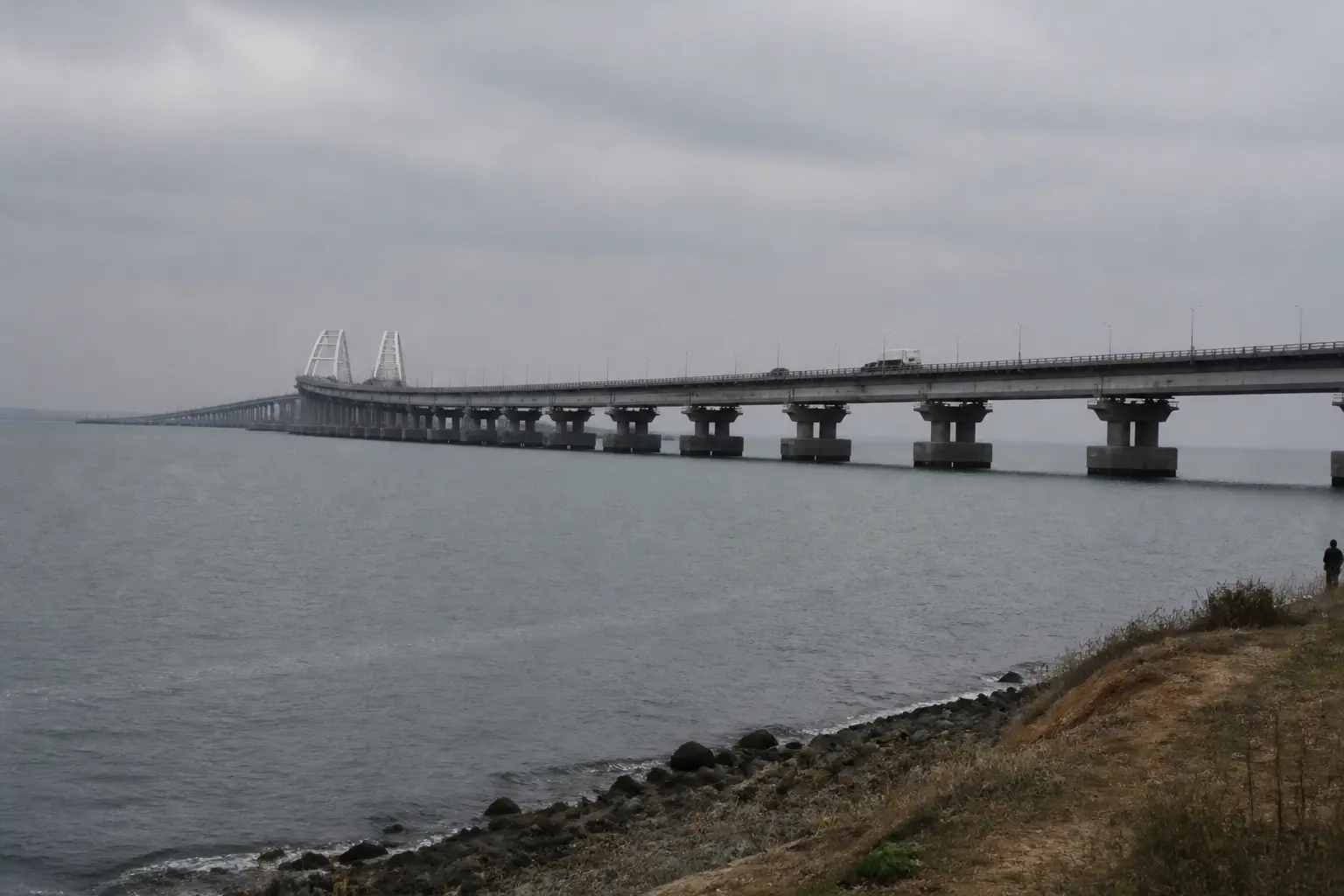
Moscow — Vladimir Putin has said he will "not be negotiating" ceasefires in the Ukraine war, hardening Moscow's position after a new attack on the bridge linking Russia to annexed Crimea. A Russian official reported the latest strike on the crossing this week, CNA reported.
The remark, reported by The New York Times, is a statement of intent rather than a formal decision: it signals that the Kremlin is not, for now, entertaining the truce proposals that have circulated in recent diplomatic contacts. What it does not do is close every channel.
In the same breath, the Russian leader invited European representatives to Moscow to discuss giving them a role in negotiations. How serious that offer is remains unclear, the Times reported. European governments have spent months arguing that any settlement negotiated over their heads would be unenforceable; an invitation to talks in the Russian capital, on Moscow's terms, is not obviously the seat at the table they had in mind.
The crossing itself has become a recurring target. Ukraine has critically damaged the Kerch bridge in previous strikes, and a Russian official has previously described it as no longer usable after one attack. Each hit has been followed by a fresh round of Russian signalling about the limits of diplomacy.
The timing is awkward for the parallel track: Moscow had only recently softened its line on an EU role in the peace talks, and Kyiv has continued to hold discussions with the US and Europe as strikes on both sides escalate. Whether Putin's refusal is a negotiating posture or a genuine freeze is precisely the distinction diplomats will now try to establish.
The next thing to watch is whether any European government takes up the Moscow invitation — and on what terms. No visit has been confirmed, and until one is, the offer remains a proposal, not a process.
Sources
This article is based on reporting from: