Saudi-led coalition downs missiles over Riyadh, oil region
The Saudi-led coalition says it downed two Houthi ballistic missiles aimed at Riyadh and three drones in the oil-rich Eastern Province.

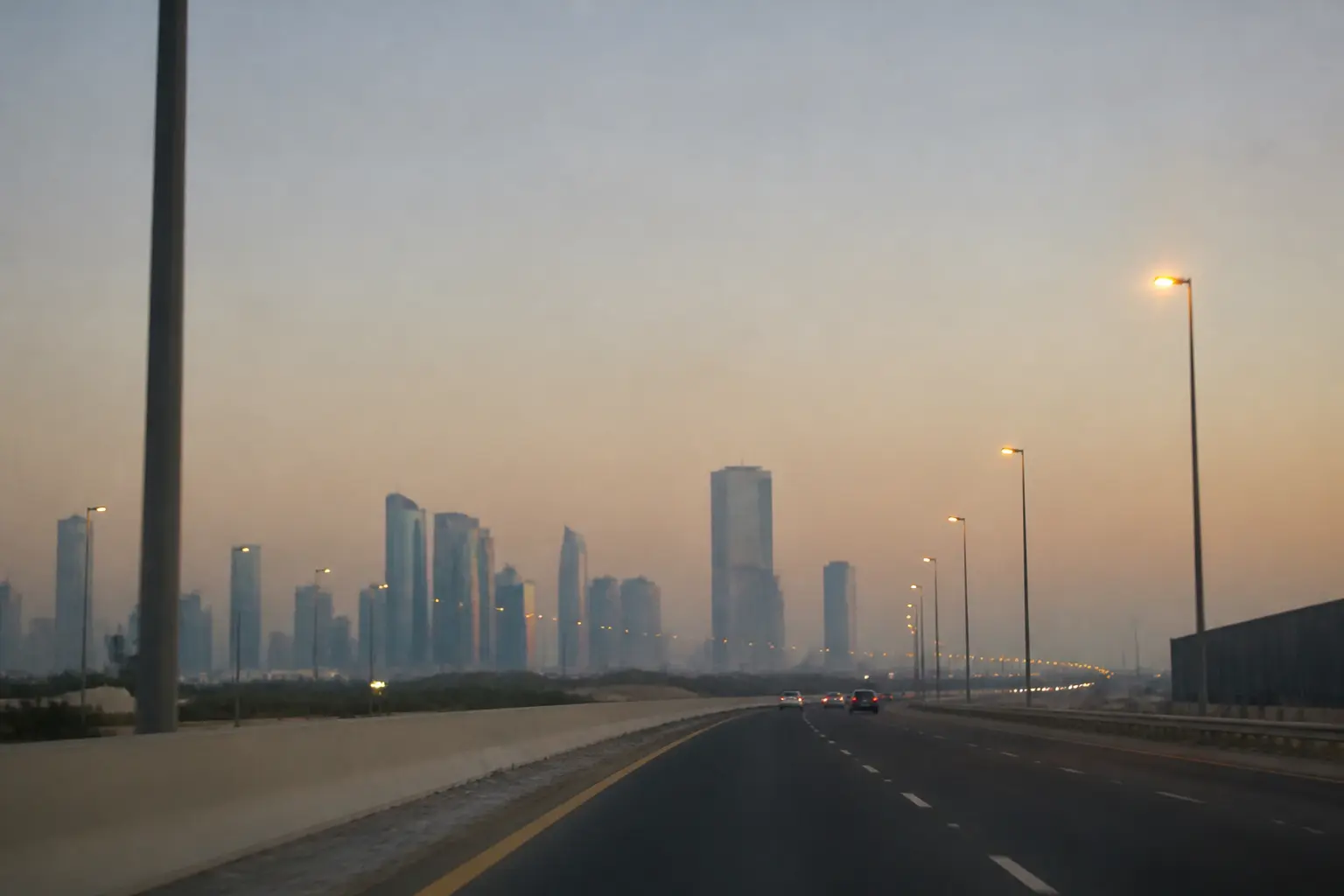
Riyadh — Saudi Arabia's air defences were in action on Sunday across two fronts hundreds of kilometres apart, as the Saudi-led coalition fighting Yemen's Iran-aligned Houthis said it intercepted two ballistic missiles launched towards Riyadh and three drones over the oil-rich Eastern Province.
According to The Hindu, the coalition announced the interceptions on Sunday. The Houthis, who control most of the populous parts of Yemen, have intensified their attacks on the Saudi capital in recent days.
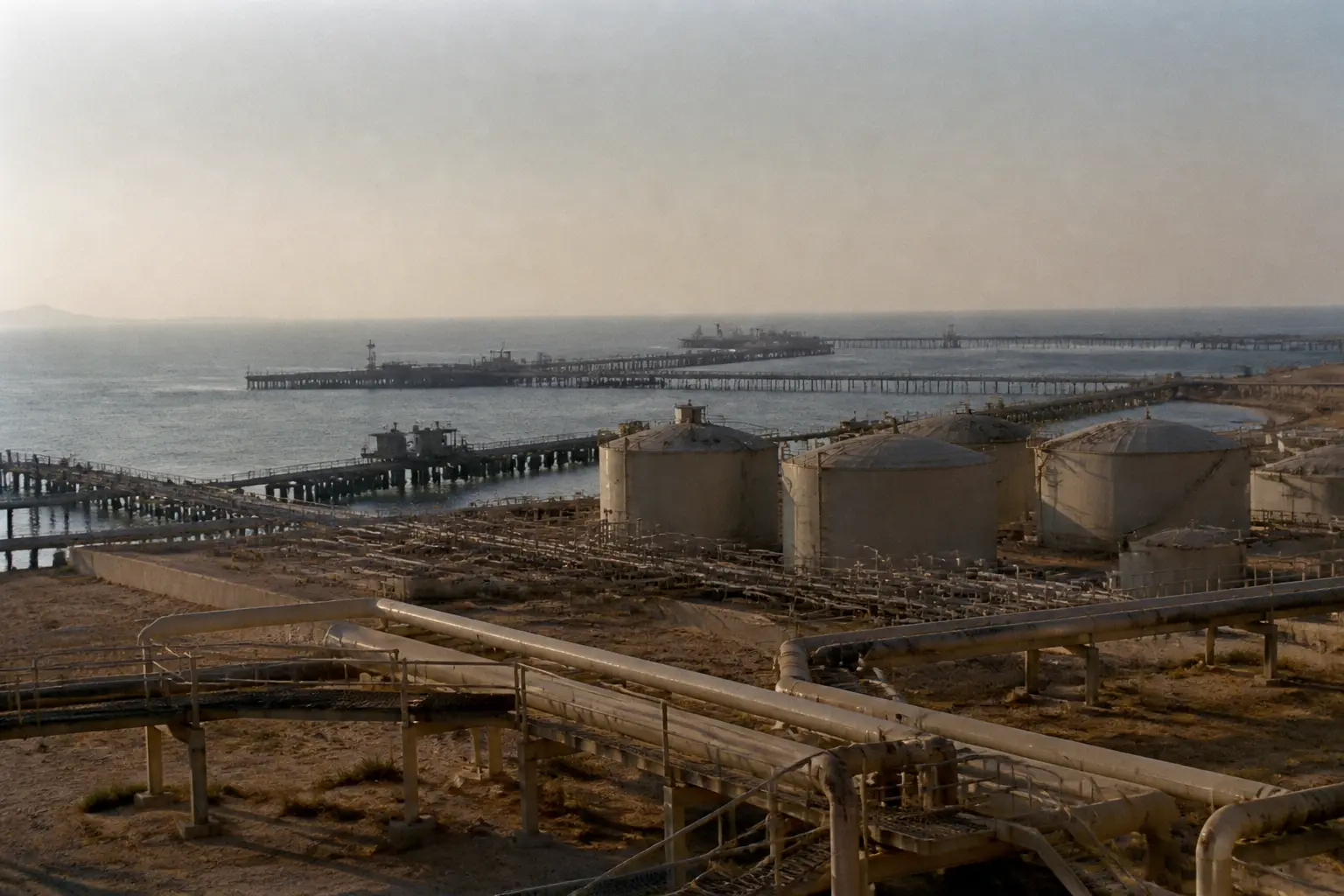
The escalation is already leaving marks on the kingdom's economic core. A Houthi attack last week damaged an administrative building of the state oil company Saudi Aramco in Riyadh's financial hub. The Eastern Province, described as the economic powerhouse of Saudi Arabia, has been subjected to multiple Houthi attacks over the past few weeks. It holds the majority of the kingdom's oil and gas reserves and hosts Aramco's headquarters, which suffered extensive damage in an attack in October.
The exchanges now follow a familiar rhythm of strike and counter-strike. The Houthis have stepped up attacks on Saudi airports, ports and oil facilities, while Saudi Arabia has ramped up airstrikes on Houthi targets inside Yemen in response.
Sunday's interceptions fit a pattern that has held for weeks: the Houthis demonstrating their reach deep into Saudi territory, and Riyadh answering with air power across the border. Neither side has signalled a pause, and no casualty figures from the latest launches have been reported.
For residents of the capital and workers in the Eastern Province's energy installations, the question now is whether interceptions alone can hold the line — and whether the cycle of retaliation gives way to any serious effort at de-escalation.
Sources
This article is based on reporting from: