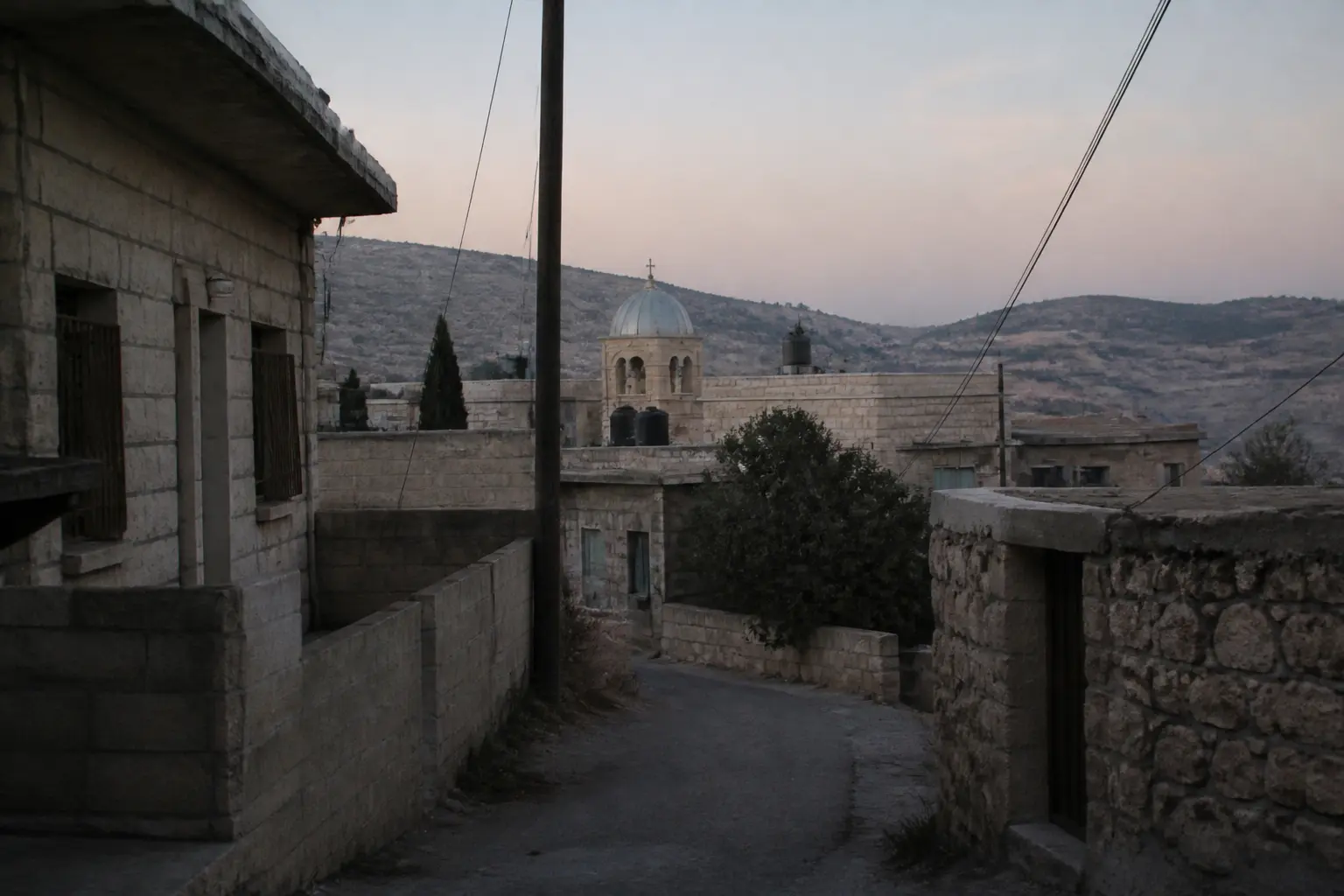
Saudi Arabia intercepts Houthi missiles as Riyadh airport reopens
Saudi air defences downed 10 missiles aimed at the south and others over Riyadh, the coalition said, as King Khalid airport resumed flights.

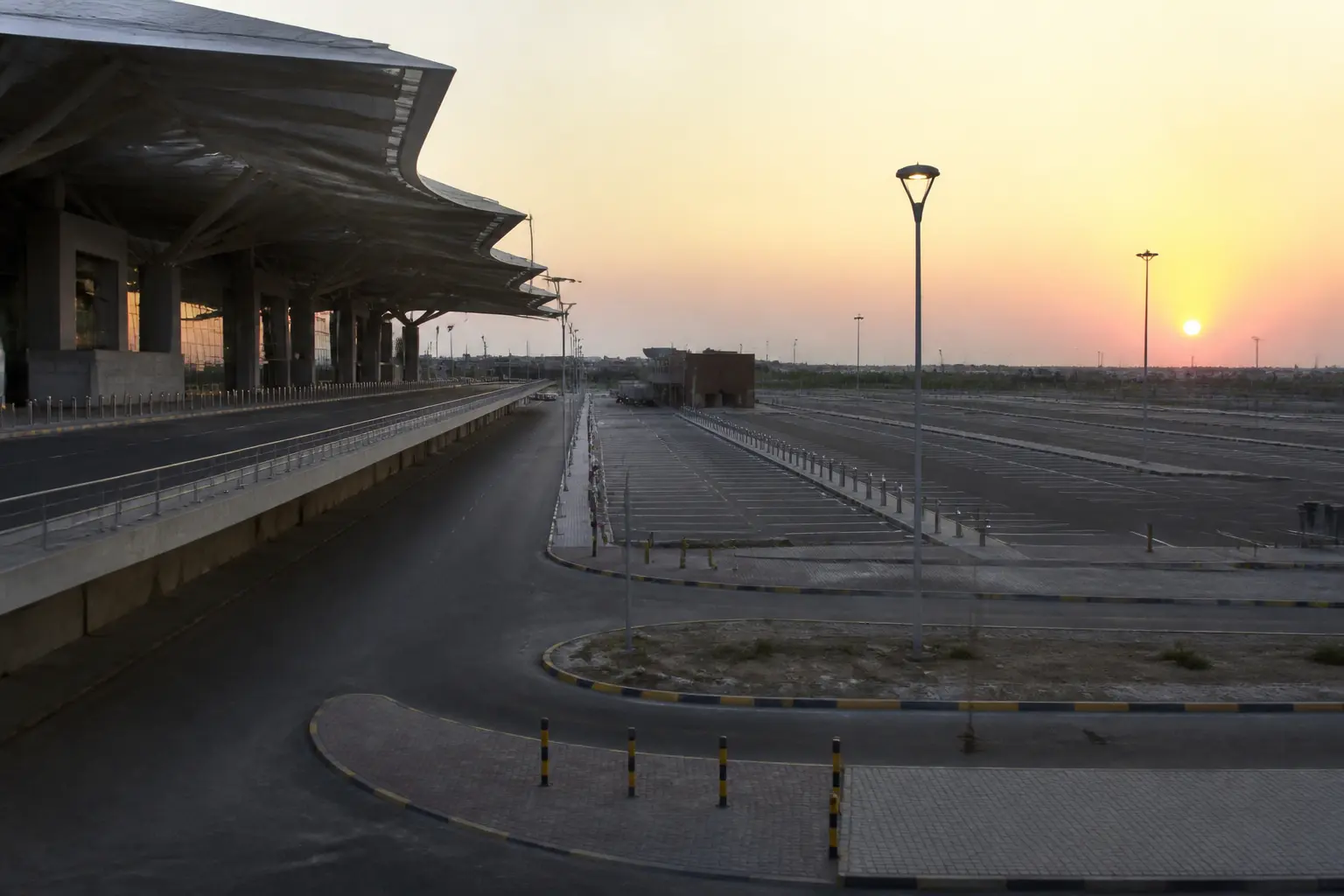
Riyadh — Saudi Arabia intercepted a wave of drones and missiles over Riyadh and its southern regions on Sunday, the Saudi-led coalition said, even as Riyadh's international airport resumed flights after a closure triggered by deadly Houthi attacks earlier this month.
Coalition spokesman Major-General Turki al-Maliki said forces destroyed a ballistic missile launched towards the capital on Sunday morning, a drone in the Riyadh region and a cruise missile aimed at the southwestern city of Khamis Mushait. The coalition later reported intercepting 10 ballistic missiles fired towards southern Saudi Arabia, according to Al Jazeera.
The Saudi Civil Defence agency said falling debris from two missiles destroyed over Khamis Mushait and Ahad Rafidah caused two injuries and damaged three residential buildings and seven vehicles. An AFP journalist heard three explosions in Riyadh in the early hours, The Hindu reported, with residents receiving alerts warning of a "hostile aerial threat".
The attacks landed hours before King Khalid international airport was due to reopen. Airport authorities said international flights would resume from Terminal 2 on Sunday, with Terminal 1 handling domestic services. Operations were halted on October 10 after a Houthi attack killed 13 people and wounded more than 300 — the deadliest strike in the kingdom in more than a decade, The Hindu reported. It remained unclear how fully the airport was functioning.
Houthi military spokesman Yahya Saree warned airlines and travellers off the facility, saying it was still "unsafe" and a "military target" for the Iran-aligned group. The Houthis said that in the space of 24 hours they had targeted three Saudi airports, energy installations, a pipeline and an airbase. They denied Saudi claims that they had fired missiles towards Mecca and Medina — where civil defence said it responded to falling debris on Saturday — calling the assertion a "huge lie".
The cross-border escalation runs alongside a deepening ground war inside Yemen. Houthi fighters advanced on Sunday on Jabal Sabr, the strategic mountain overlooking Taiz, which they have besieged, cutting the main road to the interim capital Aden. The United Nations has warned that "time is running out" to deliver aid to the 800,000 people it says are trapped in the city. Yemen's government forces claimed more than 700 operations against Houthi targets on Saturday and said they killed more than 300 fighters — a figure that could not be independently verified.
The fighting resumed after a years-long truce between the Houthis and Yemen's Riyadh-backed government collapsed, and after the Houthis seized the entire Red Sea coast in an offensive last month. For Saudi Arabia, the world's biggest exporter of crude, the strikes have disrupted businesses, airlines and daily life. The immediate test comes this week: whether airlines restore schedules at King Khalid airport — or heed the Houthi warning and stay away.
Sources
This article is based on reporting from:
- Al Jazeera Saudi Arabia intercepts missiles and drones as fighting with Houthis rages | Houthis News | Al JazeeraplayShow navigation menuplaysearchcaret-leftcaret-rightListenshare-nodesfacebookxwhatsapp-strokecopylinkgoogleinfoaj-logoaj-logoaj-logofacebooktwitteryoutubeinstagram-colored-outlinerssblueskytiktok-colored-outline
- The Hindu Explosions heard in Saudi capital as airport prepares to reopen
- CNA Yemen's Houthis target Saudi Arabia's south as Riyadh airport due to reopen