US says its aircraft fired on cargo ship in Gulf of Oman
US Central Command says a plane disabled a St. Kitts-flagged vessel it accused of breaching the naval blockade of Iran.


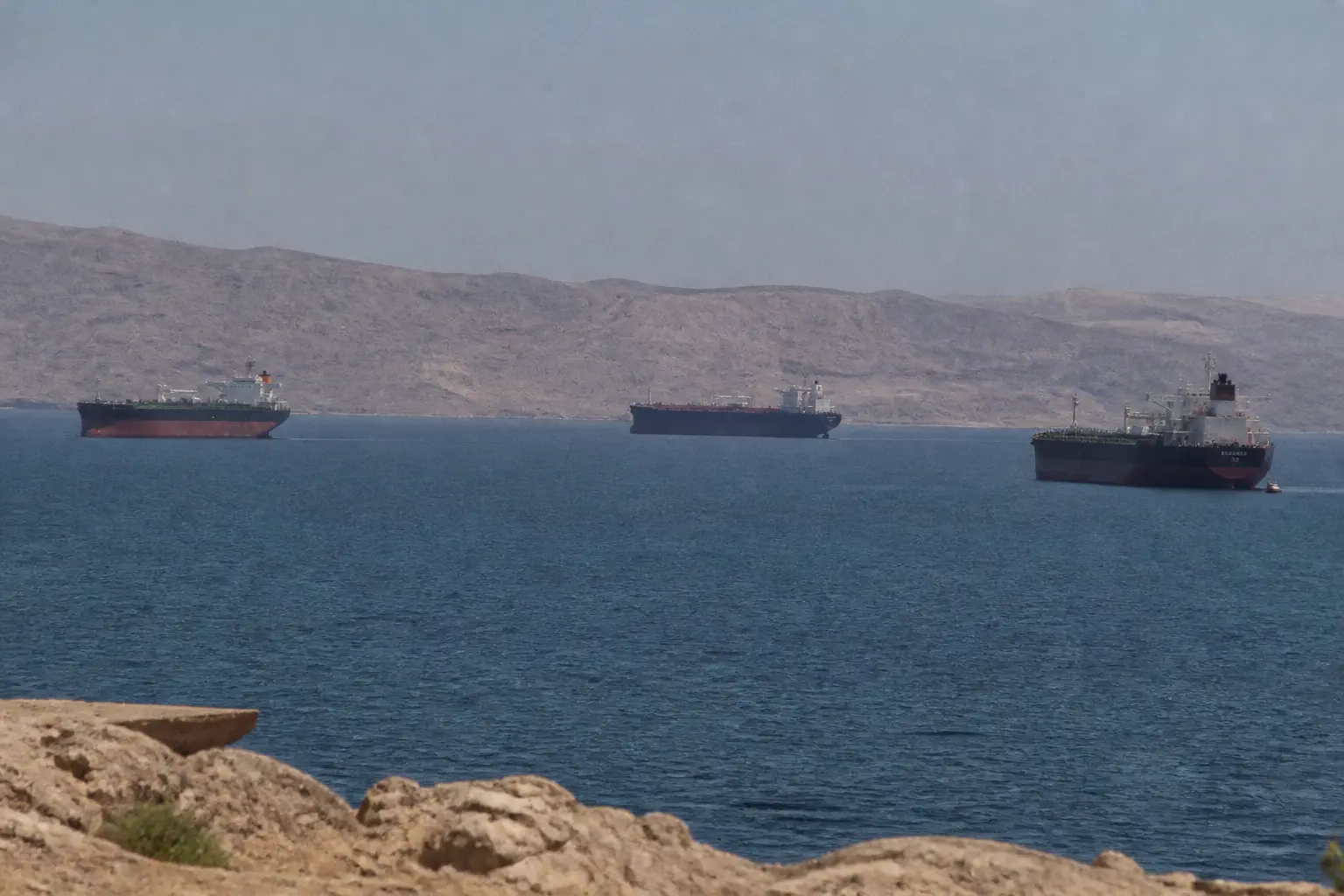
Gulf of Oman — An American military aircraft fired on and disabled a commercial cargo vessel in the Gulf of Oman on Saturday, after US forces accused it of trying to break Washington's naval blockade of Iran, according to The Hindu, citing a statement from US Central Command.
Central Command said the St. Kitts-flagged vessel had visited an Iranian port and tried to depart regional waters. A US plane fired precision munitions at its stern after US forces directed the crew to abandon the targeted spaces, the command said, according to the report.
The command did not report casualties in the account carried by The Hindu, and the crew's fate and the extent of damage to the vessel could not be independently verified.
The strike came as the US military announced it was launching a new task force to cut off Tehran's movement of advanced weapons and other sanctioned material across its land borders and through the Caspian Sea. Central Command estimated that the months-long naval blockade has prevented Iran from exporting more than $25 billion in crude oil. That figure is the command's own estimate.
The confrontation adds to a confrontation that has been building for months around the Gulf's shipping lanes. Iran has said its tankers have hit mines in the Strait of Hormuz, and US President Donald Trump has threatened to carry out a new offensive against Iran, warning earlier that Washington might have to act even as talks were claimed. Tehran, for its part, has threatened broad retaliation against Gulf infrastructure, leaving neighbouring states watching their own ports and pipelines.
For now, shipping crews and Gulf governments are waiting on two things: whether the disabled vessel and its crew reach safety, and whether Tehran answers the strike at sea, on land or through the diplomatic channels that remain open.
Sources
This article is based on reporting from: