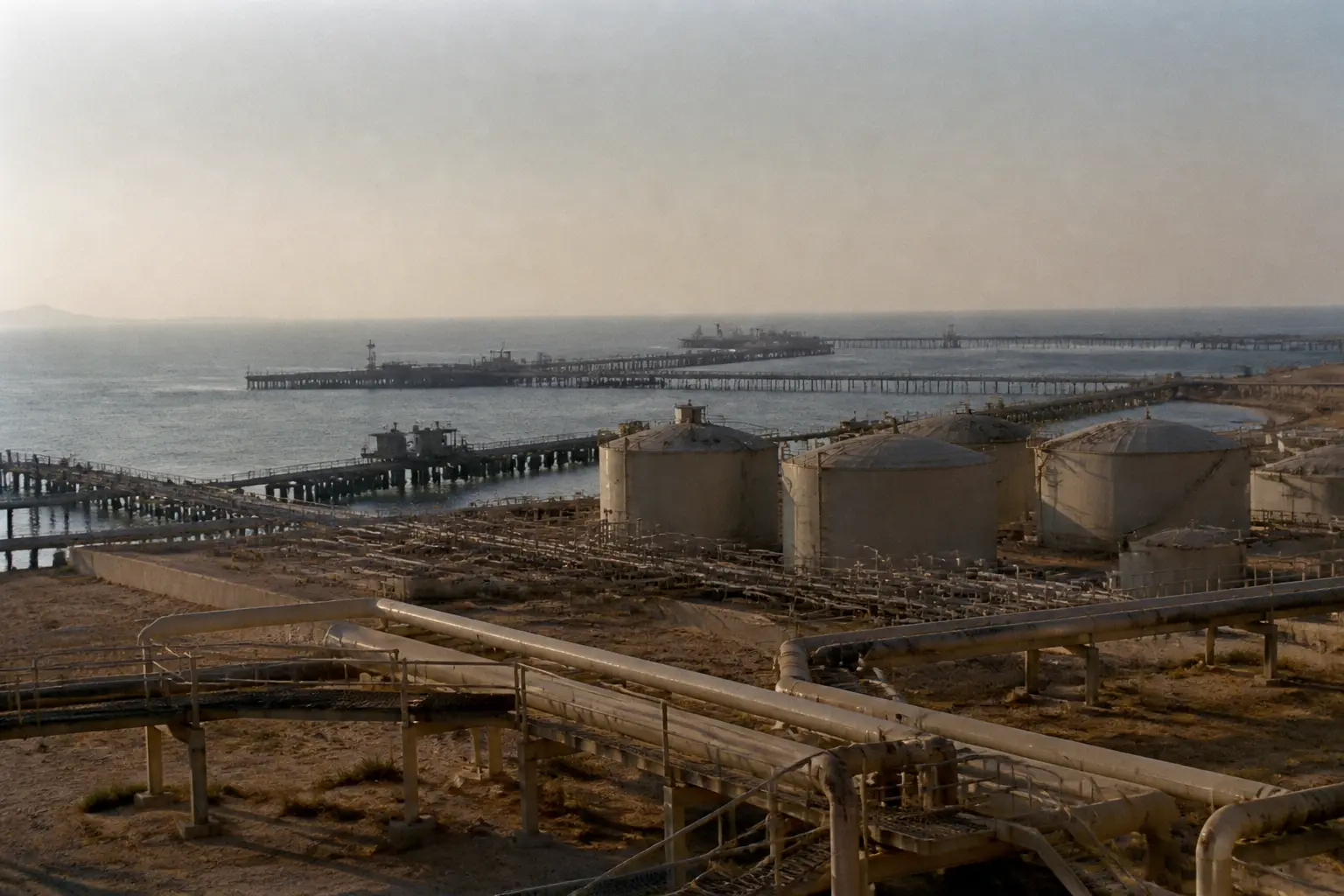
US and Iran trade wider strikes as tankers burn in Hormuz
A third US aircraft carrier has joined the build-up as strikes widen across southern Iran and six tankers have caught fire in the Strait of Hormuz since Sunday.

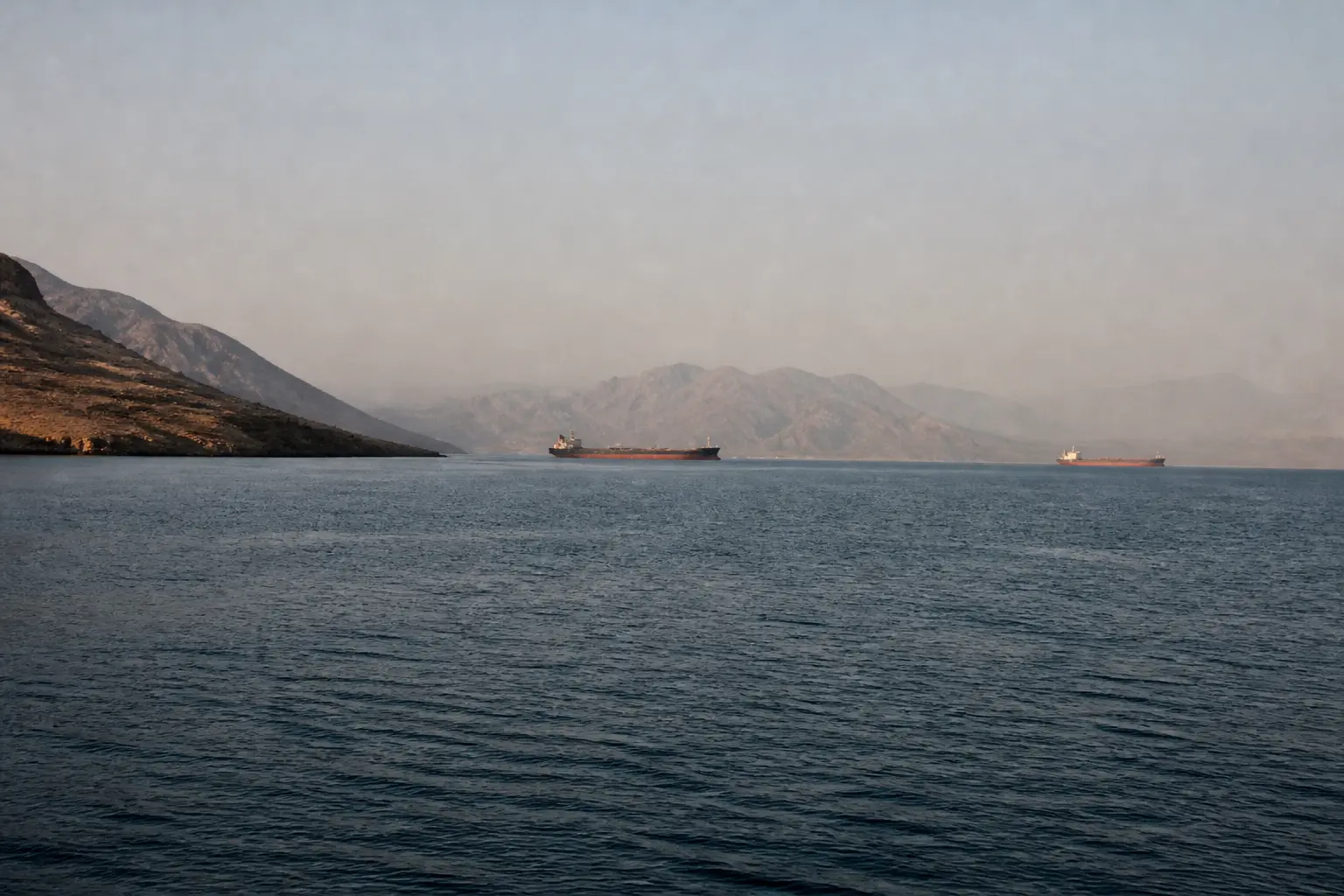
Strait of Hormuz — The United States and Iran have traded widening air strikes since Sunday, while two more oil tankers caught fire in the Strait of Hormuz on Monday, according to Iran's Islamic Revolutionary Guard Corps, bringing the total reported ablaze in the waterway since Sunday to six. A third US aircraft carrier, the USS Theodore Roosevelt, has now arrived to join two other carrier strike groups in the region, Euronews reported.
The US military said it struck Iranian missile launchers in Bandar Lengeh and Sirik in southern Iran on Sunday night, a wider target area than in previous strike cycles and at a higher rate of fire from both sides. That followed a drone attack on the US helicopter compound at Al Riffa Air Base in Bahrain on Sunday — Iran's second strike on the kingdom in a weekend and its first in months. US CENTCOM denied any damage to American assets.
The claims at sea are murkier. The IRGC said two tankers hit naval mines that "lit up the skies for hours", according to Iran's Tasnim news agency, describing it as a response to what it called the "illegal US blockade". Iran's Navy then said a "violator" tanker caught fire after striking a mine east of the strait. Whether that vessel is among the six is unclear, and the IRGC's figures have not been independently confirmed. The UK's Maritime Trade Operations Authority confirmed one incident: a tanker hit by "an unidentified projectile" early Monday, with an engine room fire, no casualties and all crew safe.
The build-up is now the largest in years. Euronews reported roughly 19 US warships in the region, including the Red Sea — the first time since the Iraq war that Washington has fielded three carriers in the Middle East. Oil prices rose on Monday. US intelligence analysts, quoted by the Wall Street Journal, put Iran's arsenal at between 1,500 and 2,500 missiles in a low-confidence estimate; Israeli military officials assess some 1,500 ballistic missiles.
Both capitals speak of resolve rather than retreat. Iranian military officials told Tabnak News that the country's new doctrine means it "will no longer be limited to calculated retaliation", threatening US bases in Europe as well. US Secretary of State Marco Rubio blamed "the Shia clerics of Iran and their expansionist mentality" for conflicts from Yemen to Lebanon, calling it "an extraordinary historic danger". Danny Citrinowicz, former head of research in Israel's military intelligence, warned that the Hormuz standoff "cannot be sustained indefinitely" and that the dynamics push both sides toward escalation even if neither wants it.
For now, each side is firing to build pressure, not to end the argument. What shipowners, Gulf capitals and oil markets are waiting for is whether the next tanker through the southern lane — which Tehran says is mined — passes quietly, or brings the response that turns warning shots into something much larger.
Sources
This article is based on reporting from: