Hebron governor says Israeli forces withdraw after 10-day siege
Displaced families return and schools reopen in the occupied West Bank city, where officials say the closure cost millions of shekels a day.

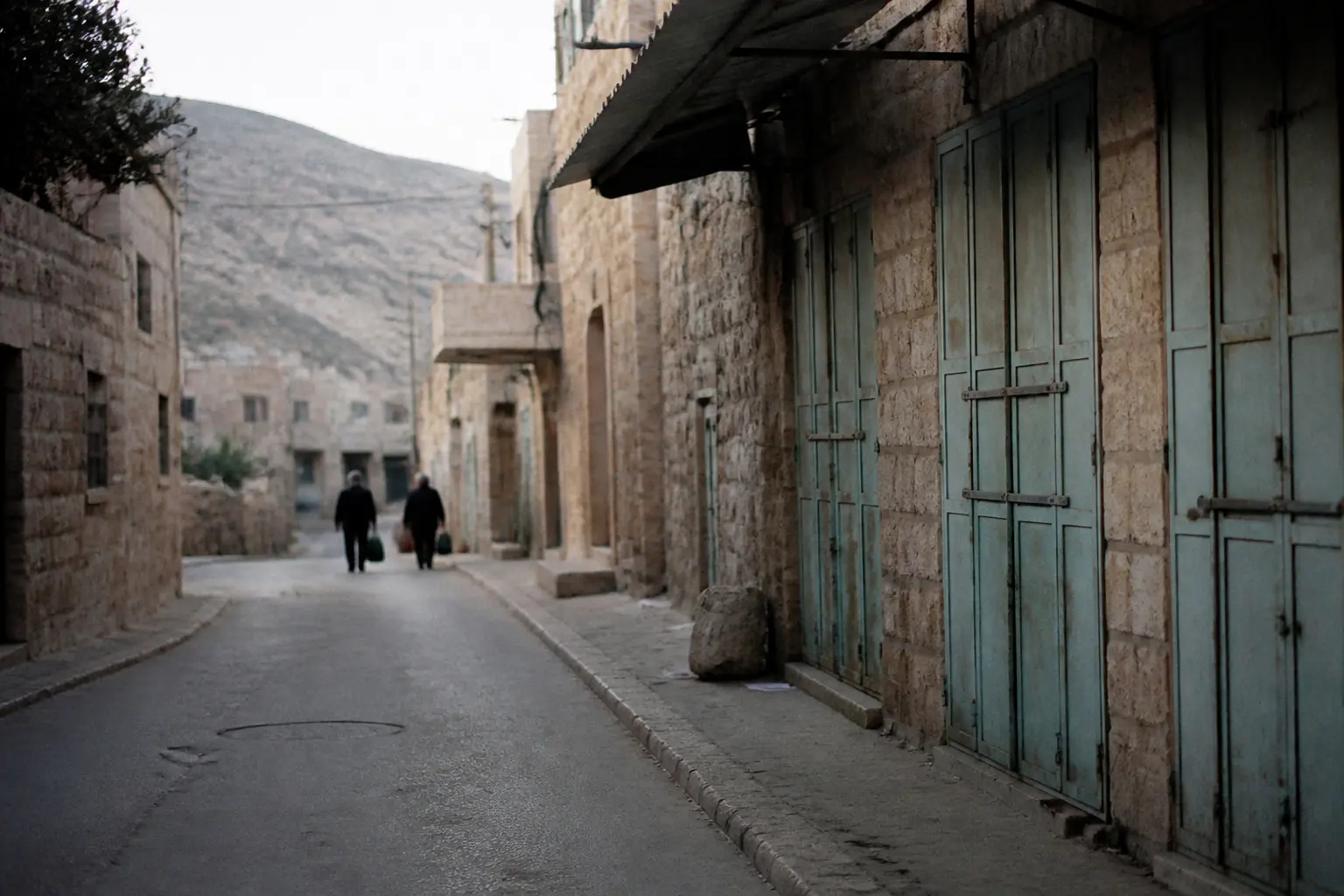
Hebron — Israeli forces have withdrawn from Hebron after a 10-day siege of the southern occupied West Bank city, the territory's governor has said, allowing thousands of displaced Palestinians to return home. Governor Khaled Dudin said on Monday that Palestinian security forces had taken "full control of the area following the Israeli withdrawal", Al Jazeera reported.
Mayor Youssef al-Jaabari told Al Jazeera the municipality was informed of the withdrawal at 6am (04:00 GMT), and vehicles carrying displaced families began arriving within minutes. "For the first time in 10 days, schoolchildren are going to their schools; university students are now on their way to their universities," he said. Five universities had shut during what he called a complete closure of economic, educational, health and municipal life.
The military imposed the siege on October 23 after a shooting attack near the city by two Palestinians that killed two Israeli soldiers and wounded three others. Israeli forces later killed the two attackers. Al Jazeera's correspondent, Mohamed al-Atrash, reported that the operation, initially said to target the attackers' homes, was widened to the entire governorate, home to about 800,000 people, with checkpoints closed and homes seized as military posts.
The toll on the West Bank's main economic centre was heavy. Some 537 families were forced out at night and more than 3,300 Palestinians were displaced or affected, according to the Hebron Governorate. The municipality said 15 homes and structures were demolished and 327 shops closed, with losses exceeding 12 million shekels ($3.8m) a day, the official Palestinian news agency Wafa reported. Some 262,000 students missed nine days of classes.
Residents told Al Jazeera they were forced out at 2am with five minutes to gather medicine, phones and documents; some said money and belongings were taken. These accounts could not be independently verified. Mohamed Helles, an expert on Israeli affairs, told Al Jazeera the operation, launched days before Israel's general election, was partly an attempt "to harvest electoral points at the ballot box" for Prime Minister Benjamin Netanyahu, whose bloc failed to secure a majority. The Israeli military has not publicly commented on that characterisation.
Municipal crews are now assessing the damage in Al-Jalda, Ein Deir Baha and Shu'bat al-Malh. "Everything damaged we will rebuild," al-Jaabari said. Residents, he added, are waiting for compensation, the reopening of checkpoints that choked 4,000 factories, and assurance the next closure will not come as suddenly as this one.
Sources
This article is based on reporting from: