Top UN court to rule on Myanmar genocide case over Rohingya
The international court of justice delivers its judgment on Thursday in the Gambia's seven-year case accusing Myanmar of genocide against the Rohingya.

The Hague — The world's top court will rule on Thursday whether Myanmar committed genocide against its Rohingya minority, in a judgment that could become one of the most significant moments in international law since the end of the second world war. The international court of justice has never found a state responsible for genocide, and the ruling will be read closely for what it signals about a separate high-profile case against Israel.
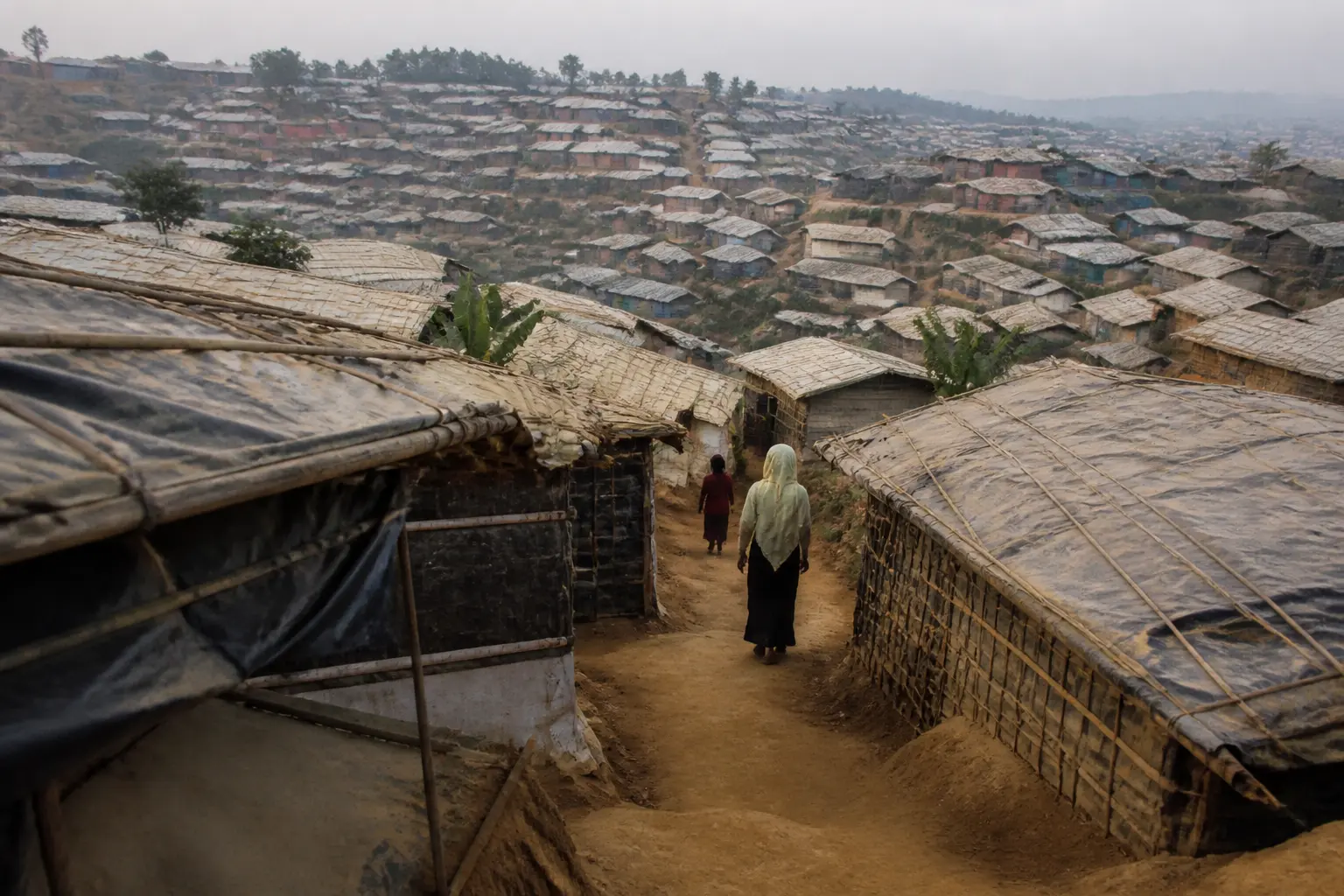
ICJ judges have spent seven years weighing the case brought by the Gambia, a Muslim-majority state, which argues Myanmar's repression of the Rohingya breached the 1948 UN genocide convention, according to the Guardian. The crisis reached its peak in the summer of 2017, when guerrilla-style attacks by a Rohingya militant group were met with massive military "clearance operations" that forced hundreds of thousands of Rohingya across the border into Bangladesh.
"The ICJ ruling will be historic for Rohingya survivors and their families around the world," said Yanghee Lee, a former UN rights investigator to Myanmar. "The international community failed to prevent Myanmar military atrocities against the Rohingya nine years ago."
A central question is intent: the convention defines genocide as acts committed with the "intent to destroy, in whole or in part" a national, ethnic, racial or religious group. Antonia Mulvey, founder of Legal Action Worldwide, which represents hundreds of Rohingya survivors, said she was "cautiously optimistic" and argued government actions showed "patterns of conduct" proving attempts to destroy the group. In January, judges heard Rohingya survivors in closed-door sessions after they travelled from camps in Bangladesh. During hearings, Gambian justice minister Dawda Jallow told the court the case concerned "real people, real stories and a real group of human beings". Myanmar denies genocide and says it targeted insurgents.
Two earlier ICJ cases on Balkan atrocities stopped short of finding states directly responsible for genocide, though Serbia was found legally responsible for failing to prevent the Srebrenica genocide. A finding against Myanmar would add pressure on its leader Min Aung Hlaing, who commanded the military in 2016-2017, overthrew Aung San Suu Kyi's elected government in a 2021 coup and is separately under investigation by the international criminal court for alleged crimes against humanity.
The judgment lands as Washington sanctions the ICC and presses international rights bodies, even though the US technically already classifies the Rohingya crisis as genocide under a Biden-era decision. The clearest signal of the ruling's weight will come in how judges treat intent — a test likely to shape South Africa's genocide case against Israel over Gaza.
Sources
This article is based on reporting from: