Iran ready to strike Gulf undersea cables, officials say
Two senior Iranian security officials say Tehran has detailed plans to attack Gulf undersea cables and block repairs if the US or Israel strike again.

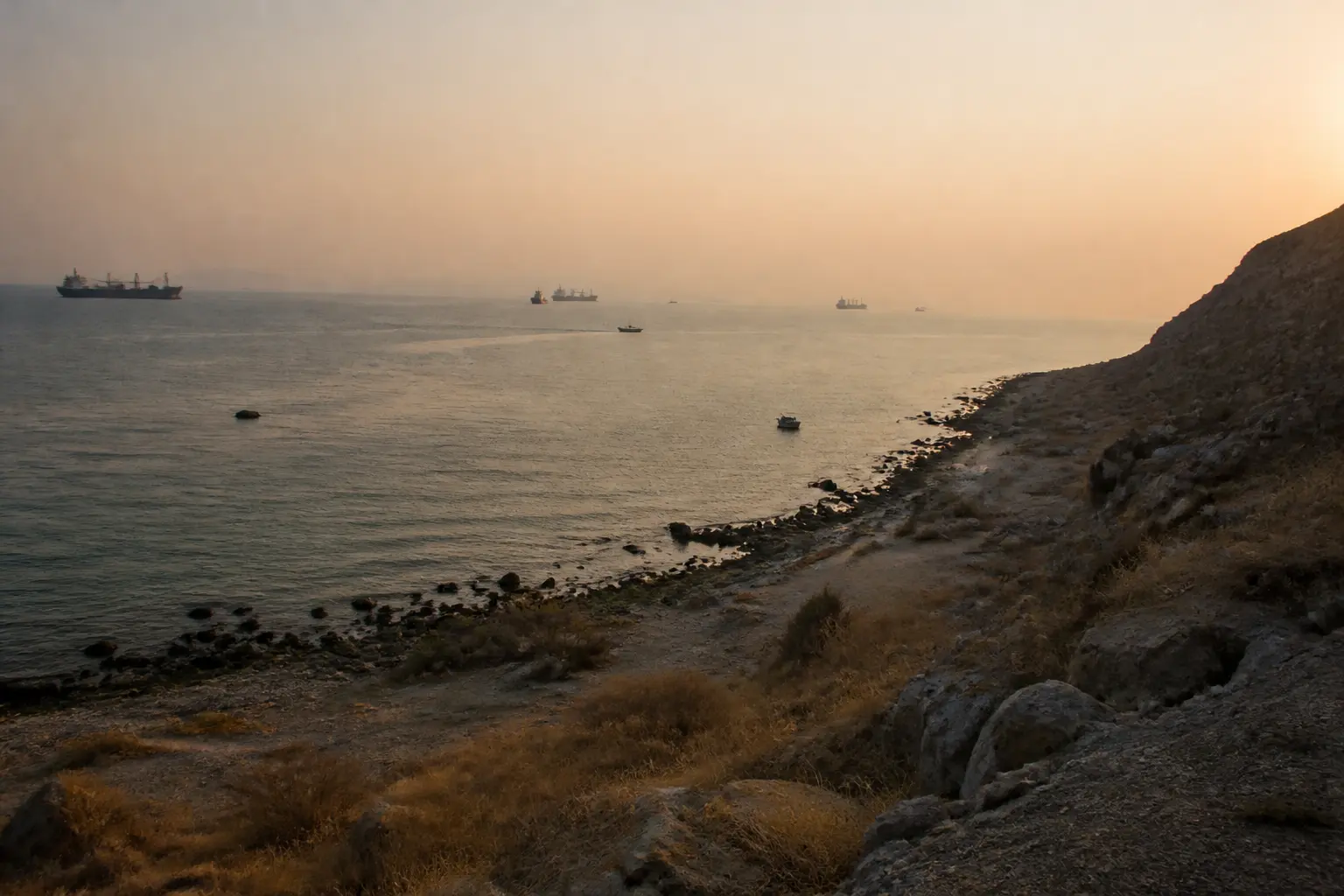
Dubai — Tehran has drawn up detailed plans to target undersea communications cables in the Gulf if the United States and Israel attack Iran again, two senior Iranian security officials have said. Their warning raises the stakes for Gulf states, which have spent heavily on digital infrastructure, as diplomacy with Washington hangs in the balance.
The two officials, speaking to Reuters on condition of anonymity, gave few details of how or where such attacks would be carried out, CNA reported. But one said Iran would aim to prevent repairs after any strike, prolonging disruptions to communications, including internet connections.
“If Iran is attacked, there will be no more red lines ... from undersea cables to military bases, including covert ones,” one of the officials said, warning Washington not to “play with fire”.
The official said Iran had full access to the cables and could easily destroy them. The remarks follow explicit warnings from Tehran. Yadollah Javani, the deputy head of political affairs for Iran's Revolutionary Guards, said on Wednesday that Iran could target seven major internet cables beneath the Strait of Hormuz if Iranian infrastructure came under attack.
The global impact of such attacks could be limited, however. Undersea cables carry around 99 per cent of global internet traffic, according to the International Telecommunication Union, a UN agency, but less than 1 per cent of international bandwidth passes through the Strait of Hormuz, said Alan Mauldin, research director at telecommunications research firm TeleGeography. The strait separates Iran and Oman, linking the Gulf to the Gulf of Oman and the Arabian Sea.
The planning reflects a conviction in Iran's leadership that any renewed US military campaign must be met with a stronger response than before. Top security official Mohsen Rezaei warned this month that US-linked digital infrastructure across the Gulf, including data centres and AI facilities, could be targeted. Washington's Gulf allies, who have invested heavily in such projects, are already bracing for a possible return to war.
The US Department of State and Iran's Foreign Ministry did not respond to Reuters' requests for comment, and there was no immediate word from Gulf states. For now, the region's governments and the millions who rely on those cables are waiting to see whether talks with Washington hold, or whether the threats beneath the strait are put to the test.
Sources
This article is based on reporting from: