Istanbul summit urges US-Iran diplomacy over new strikes
Foreign ministers from Europe and the Middle East warned Washington against fresh attacks on Iran as a US envoy said a strike could come this weekend.

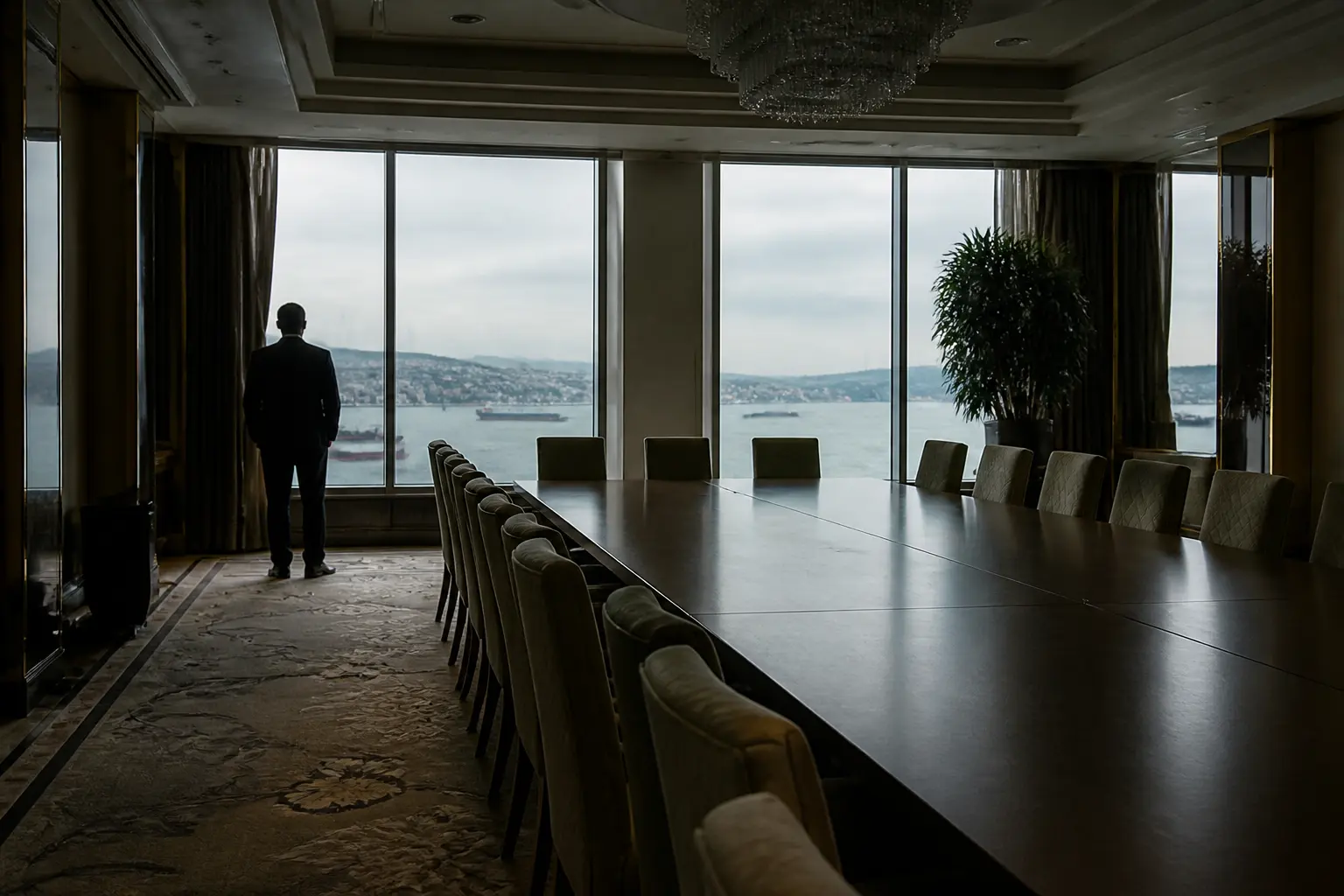
Istanbul — Foreign ministers from eight European and Middle Eastern countries meeting in Istanbul on Friday urged the United States and Israel not to renew attacks on Iran, warning that fresh fighting would spread the conflict and push oil prices, already at their highest level since May, even higher.
The gathering, jointly convened by Turkey and Germany, brought together the E3 — Britain, France and Germany — with the R4 group of Turkey, Saudi Arabia, Pakistan and Egypt, along with Italy. The Guardian described the grouping as a new multinational “anti-war bloc” that challenges what it called increasingly open US and Israeli plans to relaunch strikes while nuclear talks with Tehran remain deadlocked.
“Military intervention in Iran is not any kind of solution,” the Turkish foreign minister, Hakan Fidan, said. “We agreed that a new military attack would spread the war and the conflict in the region.”
France’s Jean-Noël Barrot said escalation “would create nothing but losers and would undoubtedly have very serious consequences for hydrocarbon prices”, telling reporters the eight countries would call on both sides to exercise “the utmost restraint”. Italy’s Antonio Tajani said the aim was “de-escalation to guarantee freedom of navigation”, adding: “I do not believe the problem can be solved from a purely military standpoint.” Ministers also demanded an end to Houthi assaults on Saudi Arabia and the reopening of the strait of Hormuz, which Iran says is partly blockaded by its ships and drones. Germany’s Johann Wadephul made no criticism of Washington but accused “the Houthis and Iran of blackmailing world trade”.
The warnings landed against a blunt signal from Washington. Tom Barrack, the US ambassador to Turkey, told podcast host Mario Nawfal the US could “absolutely” strike Iran this weekend. He claimed any action would not aim at regime change, saying President Donald Trump is “interested in rebalancing so that there’s no hostages, no threats, and the world can calm down”. That account of US intentions could not be independently verified.
Beyond Iran, the agenda covered Yemen, the Palestinian issue and the Russia-Ukraine war. The R4 ministers issued a separate joint statement calling Israeli occupation “the fundamental source of instability in the region”, while condemning “in the strongest terms” what they called Houthi escalation and expressing solidarity with Riyadh. Al Jazeera’s correspondent in Istanbul called the summit a “first-of-its-kind” attempt to set out the parameters of the region’s conflicts.
The meeting also underlined Ankara’s growing role, months after it launched the Mecca Joint Defence Agreement with Pakistan and Saudi Arabia — a pact Turkey says is open to Egypt. For now, Gulf states and shipping firms alike are waiting on one question: whether the weekend passes without American bombs falling on Iran.
Sources
This article is based on reporting from:
- The Guardian US and Israel are warned against launching fresh strikes on Iran | Middle East and north Africa
- Al Jazeera European, Middle East ministers urge US-Iran diplomacy, not new attacks | US-Israel war on Iran News | Al JazeeraplayShow navigation menuplaysearchcaret-leftcaret-rightListenshare-nodesfacebookxwhatsapp-strokecopylinkgoogleinfoaj-logoaj-logoaj-logofacebooktwitteryoutubeinstagram-colored-outlinerssblueskytiktok-colored-outline