Rubio asks Cubans to contact CIA 'discreetly'; Havana mocks
Marco Rubio publicly urged Cubans to make 'discreet' contact with the CIA, drawing ridicule from Havana as US pressure on the island grows.

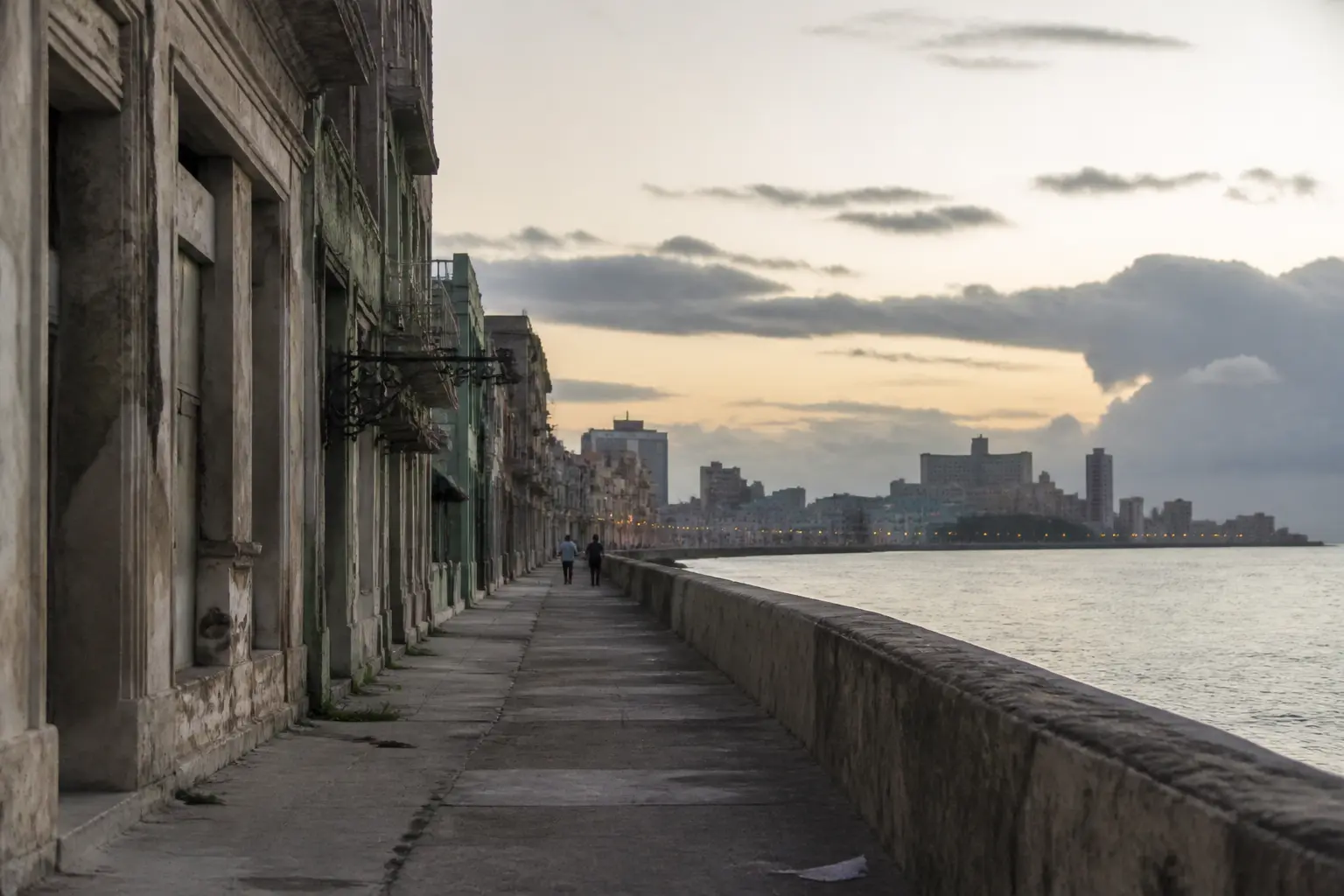
Washington — U.S. Secretary of State Marco Rubio on Friday openly called on Cubans to make "discreet" contact with American intelligence, an extraordinary public recruitment pitch as Washington escalates pressure on the communist government in Havana.
"To those who seek to create positive change in Cuba -- now is the time," Mr Rubio wrote on social media, urging Cubans frustrated by "failed promises, corruption, and the privileged lives of only a few" to pursue "a discrete partnership with the CIA." The post appeared to confirm the agency is active on the island, The Hindu reported, decades after covert operations that included the failed 1961 Bay of Pigs invasion.
Havana responded with mockery. "Now the United States is resorting to public recruitment for the CIA," Deputy Foreign Minister Carlos Fernandez de Cossio wrote on X, adding that "there must be a great deal of desperation or misery within the agency for it to be forced to sell its services like a tube of toothpaste."
The CIA itself followed up with a Spanish-language video on X instructing would-be informants to visit a U.S. installation in person if they can travel safely, or to contact the agency online via cia.gov using a VPN, a private browser and a burner email account. Those sharing information were told to include their city, job, level of access and contact details.
President Donald Trump, speaking at a Florida rally the same day, made his regime-change ambitions plain: U.S. military ships would pass Cuba, one would stop "about 50 yards off the coast", and "we're going to send Marco Rubio in to finish up the deal." Cuban Foreign Minister Bruno Rodriguez shot back that the island's coast has "razor-sharp limestone spikes, an inhospitable environment for those who make it to our shores with hostile purposes."
The money trail matters here. Washington has imposed a de facto energy blockade on the island of 9.4 million people since January, threatening sanctions on any country that supplies fuel -- a squeeze aimed at Cuba's already fragile economy. Separately, Florida's top prosecutor announced an arrest warrant this week for former president Raúl Castro, 95, on state murder charges over the 1996 downing of two civilian aircraft, echoing a federal indictment from May. Current president Miguel Diaz-Canel says the indictment has "no legal basis" and is a pretext for aggression.
What to watch: whether any fuel supplier defies the U.S. sanctions threat in the coming weeks -- the first hard test of how far the blockade, and Havana's ability to withstand it, will actually go.
Sources
This article is based on reporting from: