Iran says Trump planning new strikes or tighter sanctions
An adviser to Iran's chief negotiator says Washington has set a two-week timeframe for a decision on military action, and warns of pre-emptive strikes.


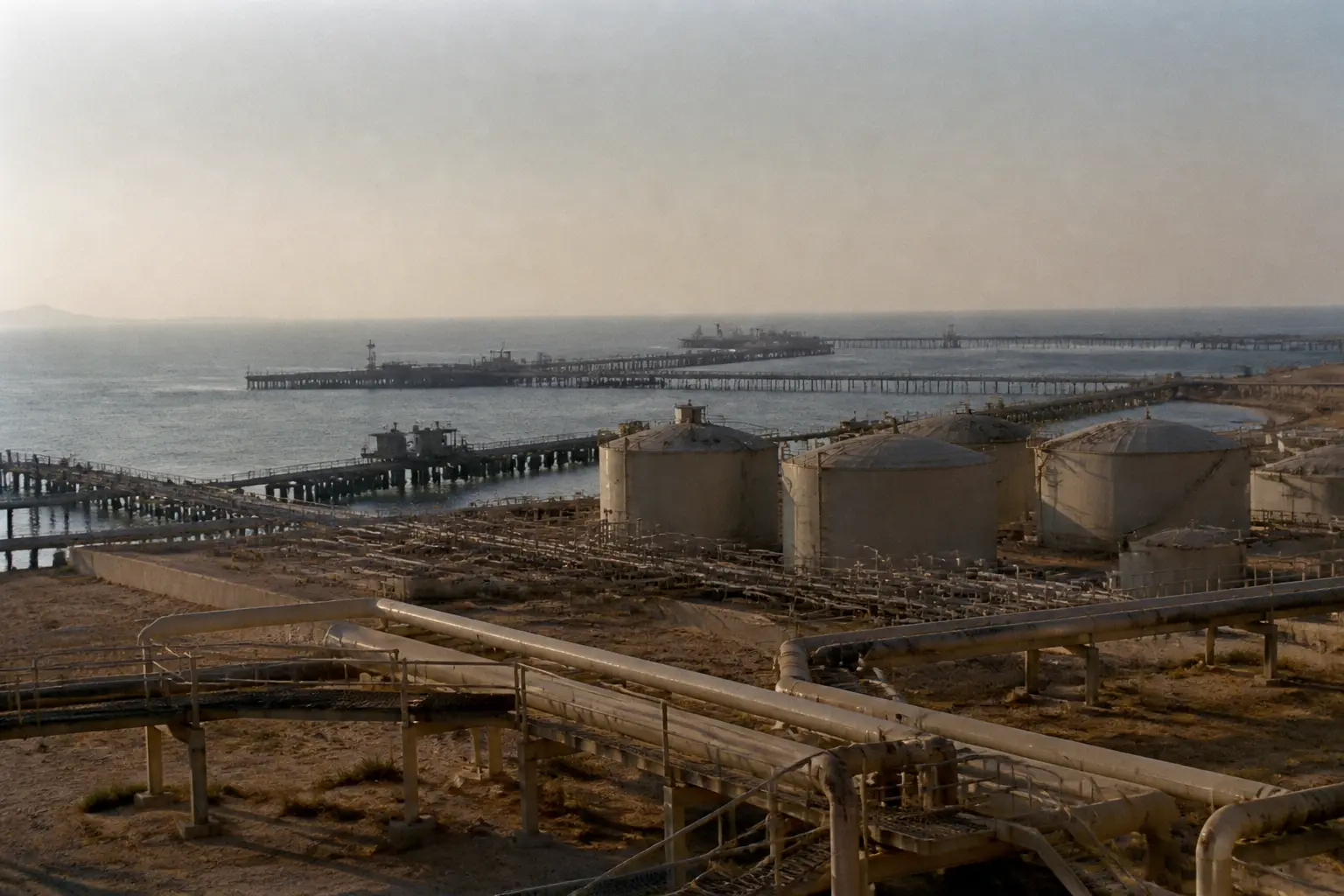
Tehran — Senior Iranian officials believe the United States is preparing either fresh military strikes or an ever-tighter economic blockade designed to force Tehran into retaliatory action, the Guardian reported. The assessment sharpens fears that the standoff over the strait of Hormuz could tip back into open conflict.
The claims come from Mehdi Mohammadi, an adviser to Iran's chief negotiator, Mohammad Bagher Ghalibaf, and are seen as a reliable indicator of Ghalibaf's thinking. Writing on his Telegram channel, Mohammadi said the Americans had proposed a timeframe of about two weeks, after which Donald Trump would decide on military action. He cast doubt on Trump's insistence that the military option was off the table, claiming Washington was preparing a limited strike and that Iran was already preparing its response.
If sanctions continued, Mohammadi said, a comprehensive pre-emptive war would be needed "to increase the cost of sanctions for the enemy". He called the US reply to Iran's proposals on reopening the strait "not only unsatisfactory but completely deceptive", and disclosed that Tehran had rejected a request from the US vice-president, JD Vance, for a direct meeting.
The figures cited in Tehran point to its leverage eroding. Brent crude stands at a relatively low $93 a barrel, the Guardian noted, while Saudi output is near prewar levels of 9.3m barrels a day — evidence, some officials fear, that the blockade is not biting. Iran said it bombed a US radar post on the Omani island of Didamar three days ago to close what it saw as a loophole. Mohsen Rezaei, secretary of Iran's national security council, said he had told Russia that not a particle of Iran's highly enriched uranium would leave the country, and warned that US bases in Europe would be targeted if bombing resumed.
In Washington, secretary of state Marco Rubio signalled this week that economic pressure alone was sufficient, calling Iran's demands unrealistic. Trump faces a deadline of his own: a Democratic-controlled Congress takes office on 3 January, and a Reuters Ipsos poll found 71% of Americans want Congress to pass legislation ending the war.
The two-week window Mohammadi described — and the anniversary in late December of last year's nationwide protests, which some in Tehran fear economic turmoil could rekindle — now mark the next tests of whether the "no peace, no war" impasse holds.
Sources
This article is based on reporting from: