LNG tanker struck mine, exploded in Strait of Hormuz, Iran says
Iran's Revolutionary Guards navy says an LNG tanker hit a mine in the Strait of Hormuz, days after four other tankers reported explosions there.

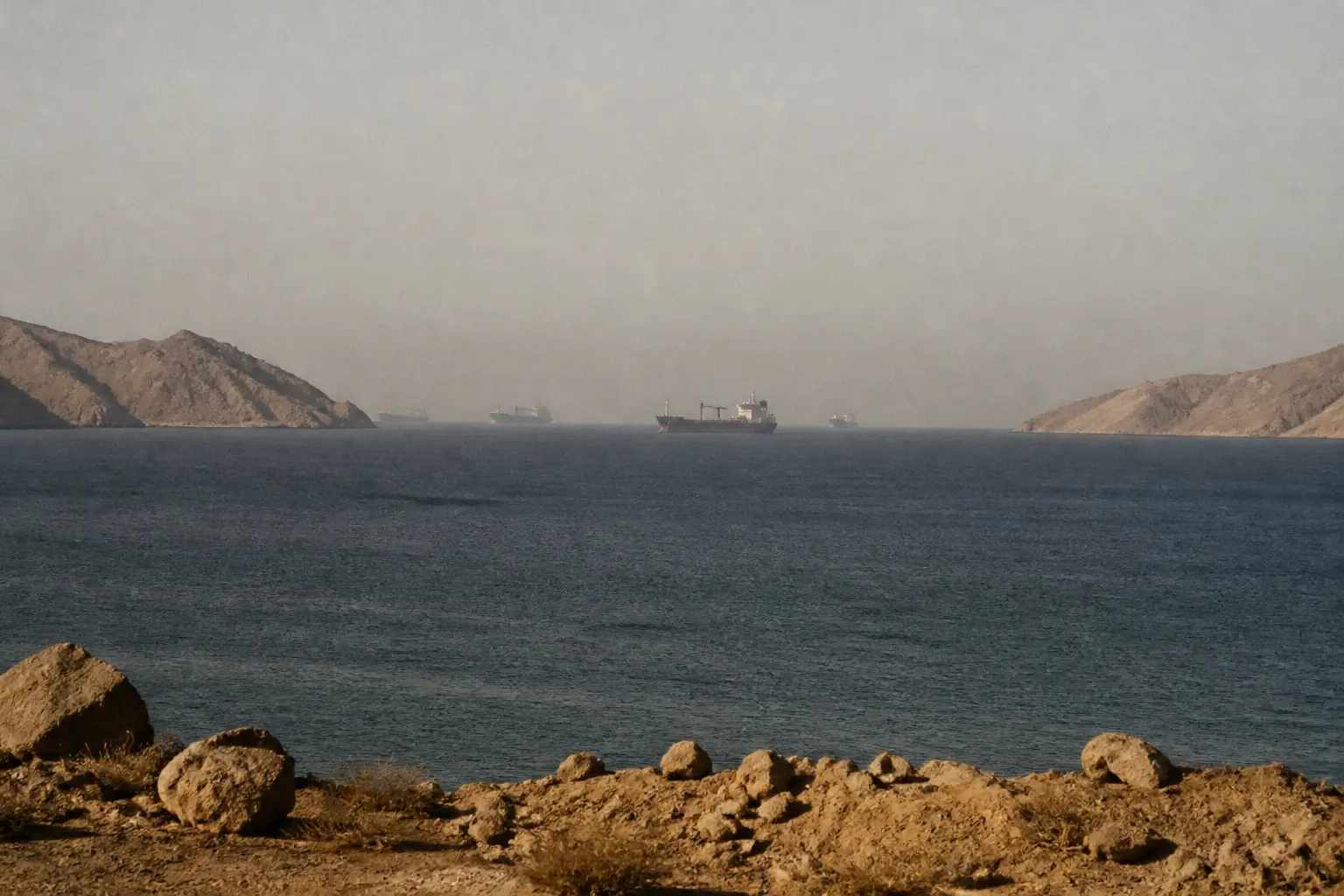
Strait of Hormuz — Iran's Revolutionary Guards navy said a tanker carrying liquefied natural gas struck a naval mine and suffered an explosion in the Strait of Hormuz on Friday, according to state media cited by The Hindu. The Guards said the vessel was using what they described as an "unauthorised and dangerous route". No details about the tanker — its flag, ownership, crew or condition — were immediately available.
The incident follows a report in Iranian media on Thursday that four oil tankers were hit by explosions in the waterway. Those vessels, the media said, had ignored warnings and entered areas Iran considers restricted.
The attacks have continued even as traffic through the strait rebounds and markets price in hopes of a de-escalation in the US-Israeli war on Iran. Oil prices have fallen on those expectations, The Hindu reported.
The numbers behind the violence are stark. At least 10 ships were hit in the first 10 days of November, according to data from the Washington Institute for Near East Policy. That follows 37 attacks in October — the highest monthly tally since the conflict began in late February, the same data show. Wide World News has previously reported on tankers ablaze after hitting mines in the strait and on the gap between de-escalation hopes and conditions on the water.
The Strait of Hormuz carries a large share of the world's traded oil and gas, which is why each reported strike moves markets and worries capitals far from the Gulf. Friday's account comes from Iranian officials and state media; details of the vessel's damage, and whether anyone on board was hurt, could not be independently verified.
For the crews still sailing these waters, the questions are immediate: whether the strait's restricted zones will widen, whether insurers will keep covering voyages, and whether the promised de-escalation will reach the shipping lanes. Until then, the world's most critical energy chokepoint remains a route taken at risk.
Sources
This article is based on reporting from: