Tankers still burn in Middle East despite hopes for de-escalation
New evidence of strikes on tankers in the Strait of Hormuz and regional energy sites has emerged even as markets bet the Iran war is winding down.

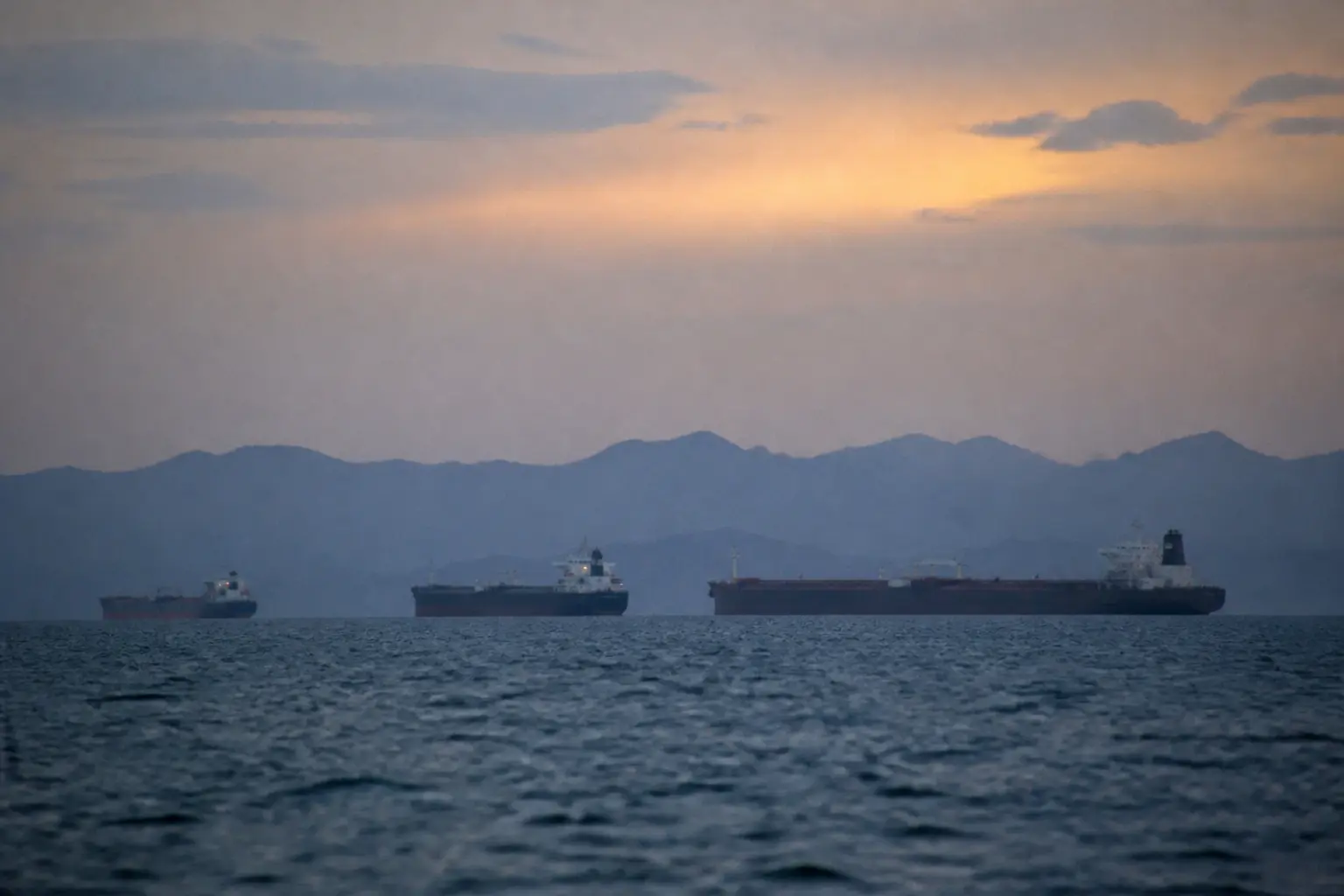
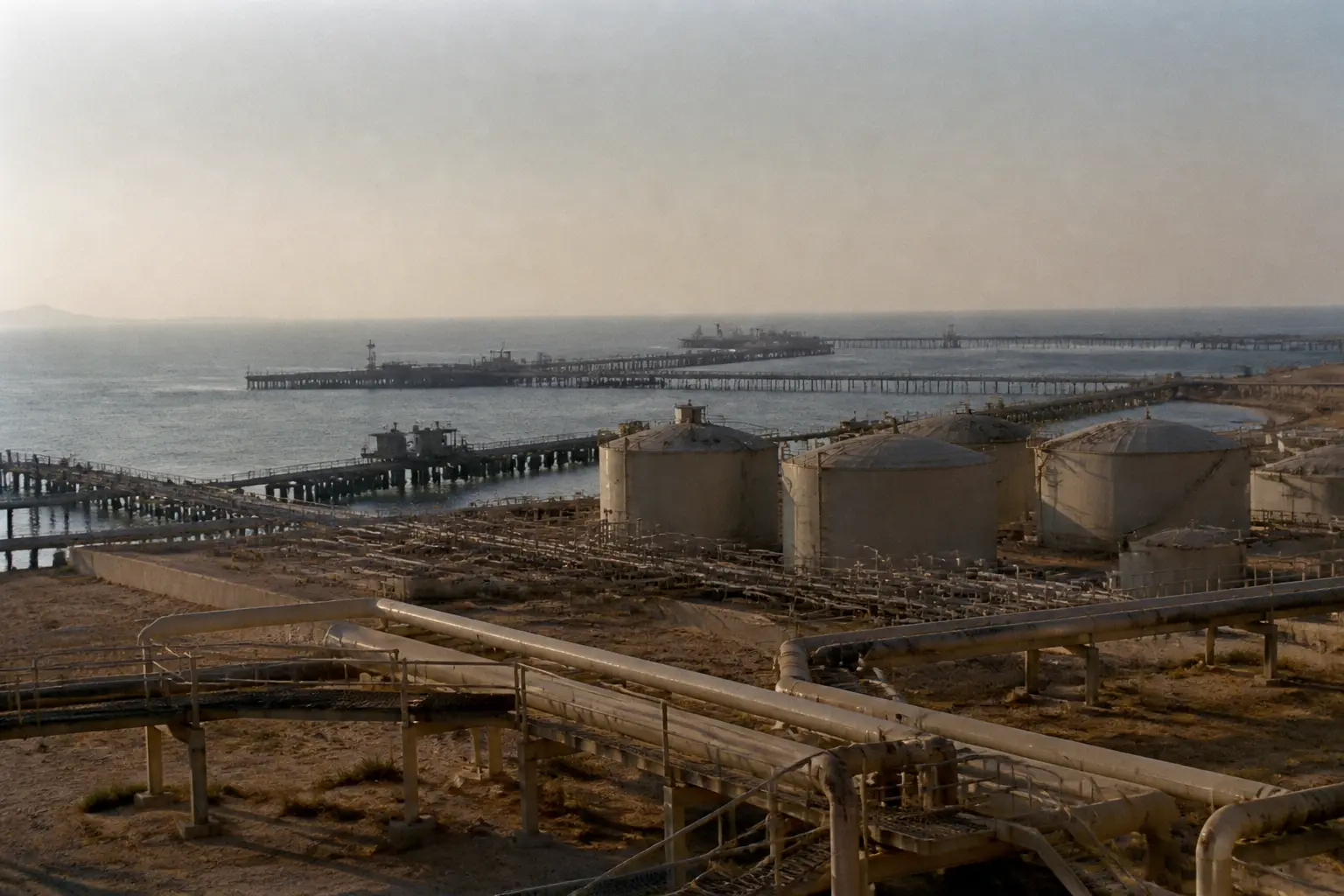
Strait of Hormuz — Strikes on tankers in the Strait of Hormuz and on energy infrastructure across the Middle East are continuing, even as markets wager that the war with Iran is winding down. New evidence of attacks has emerged in recent days, The Japan Times reported.
The gap between expectation and events is wide. On Tuesday, crude prices fell to two-month lows after US officials played down the need for further military action against Iran. Analysts noted that President Donald Trump has struck a more conciliatory tone since the Republicans' defeat in the Nov. 3 midterm elections.
Yet on the water, there is little sign of the attacks abating. Thirty-seven ships were attacked in October, the highest monthly total since the start of the war, according to data from the Washington Institute for Near East Policy cited by The Japan Times.
The continued strikes fit a pattern that has defined the conflict in recent weeks: Iran says five tankers caught fire after hitting mines in the strait, while Washington has said its aircraft fired on a cargo ship in the Gulf of Oman. Each side's account of responsibility for the maritime attacks is contested, and much of what happens in the strait cannot be independently verified.
The Strait of Hormuz remains the world's most sensitive chokepoint for oil shipments, which is why even unconfirmed strikes there move global markets within hours. The fall in crude prices this week suggests traders are betting on diplomacy outrunning the violence.
For the crews who work these waters and the coastal communities who depend on them, the wait is for something more concrete than a shift in tone: a November in which the number of attacks on shipping finally begins to fall.
Sources
This article is based on reporting from: