Spain mourns as train crash death toll rises to 69
Rescuers comb wreckage near Urda after a Renfe train hit a stationary Iryo service, as families give DNA samples and questions mount over rail safety.
 By Henrik LindqvistEurope correspondent 2 min read
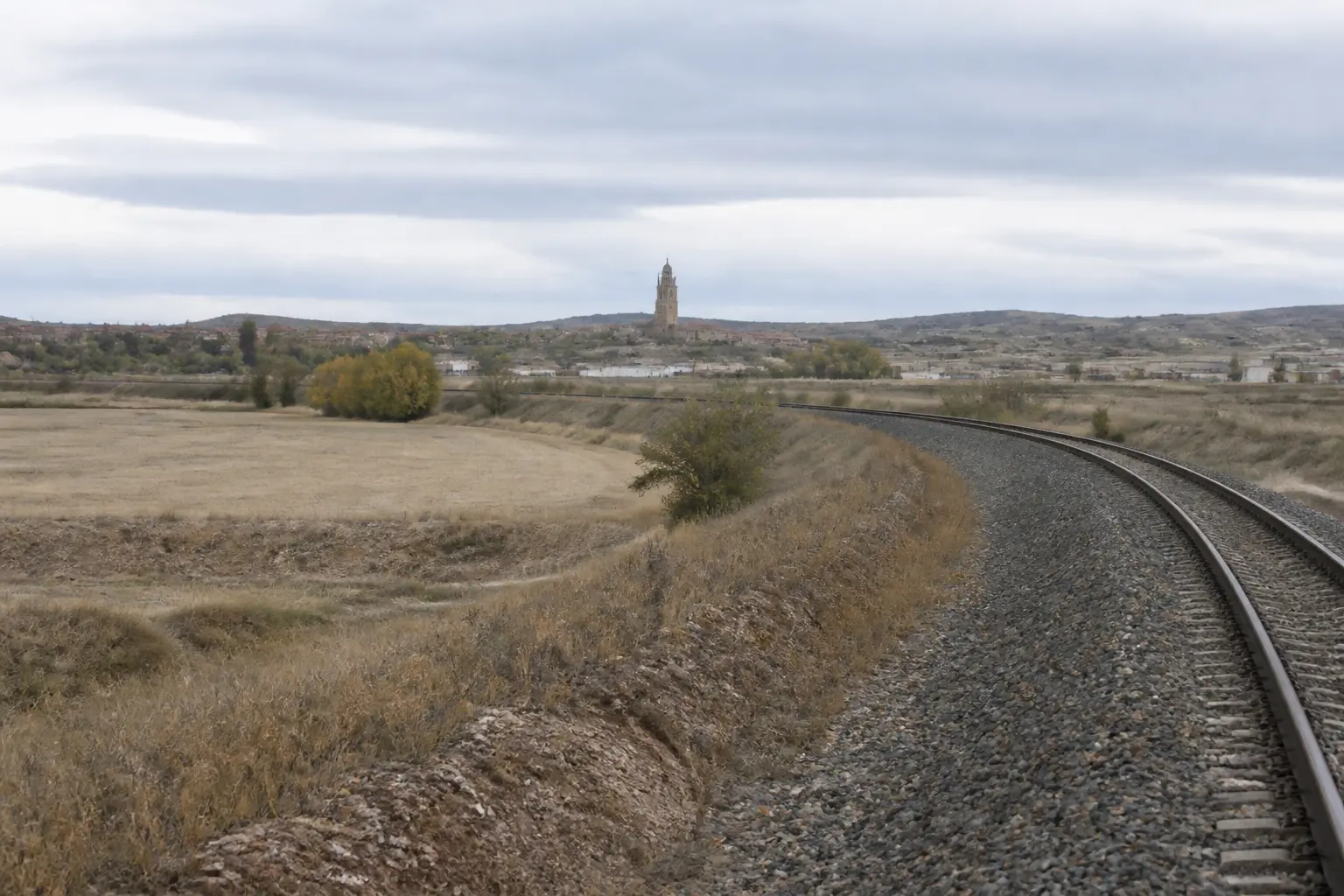
Toledo — Spanish rescuers using sniffer dogs and thermal drones continued searching the wreckage of two high-speed trains on Thursday as the death toll from Wednesday's collision in central Spain rose to 69, making it one of Europe's deadliest rail disasters this century.
The crash happened on Wednesday morning when a state-owned Renfe service ploughed into the rear of a stationary train belonging to the private operator Iryo, near the village of Urda, around 130km south of Madrid. At least three carriages were thrown down an embankment. More than 100 people were injured, many seriously, according to BBC News.
One more body was recovered overnight, bringing the toll from 68 to 69, according to Castilla-La Mancha's regional president, Emiliano García-Page, who said 50 people remained in hospital. Toledo has received 52 of the dead, overwhelming a morgue built for 30 and forcing the army to improvise a facility, CNA reported. Families have been giving DNA samples to the Civil Guard to help identify victims.
Among the confirmed dead is Fátima Báñez, 59, labour minister under former prime minister Mariano Rajoy from 2011 to 2018 and, until her death, chair of the CEOE business confederation. Julieta Gallego, a 24-year-old long jumper, was also killed, the Royal Spanish Athletics Federation announced. A Civil Guard officer, José Manuel Chacón, 31, was confirmed dead by the force.
The government declared three days of national mourning from Thursday. A minute's silence was observed across the country, including at Madrid's Atocha station, and King Felipe VI visited survivors in a Toledo hospital. The Madrid-Seville high-speed line remains closed, stranding thousands of passengers.
The collision is Spain's second deadly high-speed crash this year: in January, 46 people were killed in another Renfe-Iryo collision on the same line, and it is the country's worst rail disaster since 2013. That the two accidents involved the same operators on the same stretch has sharpened demands for answers, four weeks before a national election.
What happens next is largely procedural but politically charged: investigators must establish why the Iryo train was stationary on a live track, and the recovery operation and identification of the missing continue. The next marker is the initial findings of the crash investigation, which ministers have yet to timetable.
Sources
This article is based on reporting from: