Trump says he would consider military force against Cuba
Donald Trump said he would 'certainly consider' military action against Cuba and wants to 'get Cuba done' before leaving office in 2029.
 By Henrik LindqvistEurope correspondent 2 min read
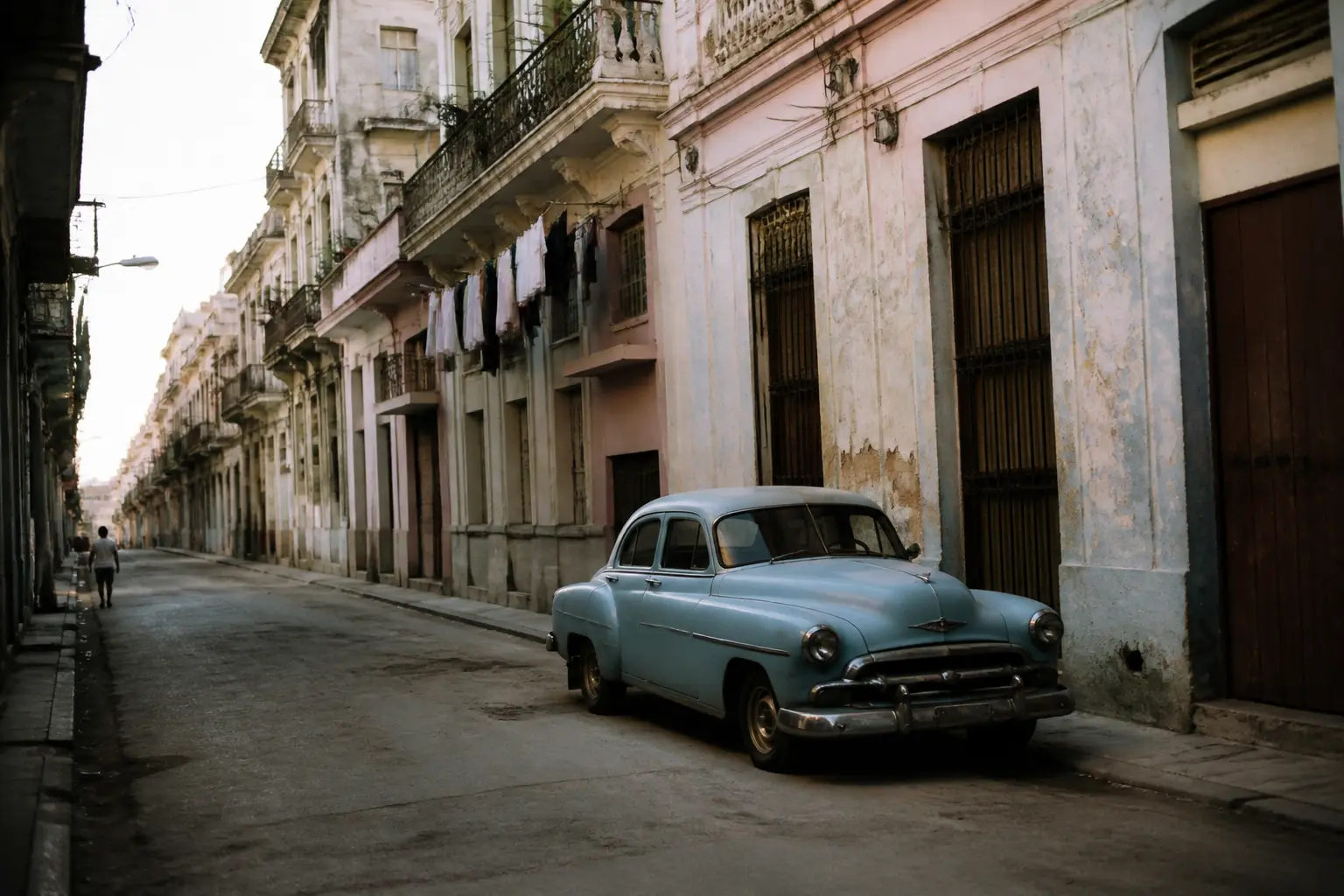
Washington — US President Donald Trump has said he would "certainly consider" using military force against Cuba and wants to "get Cuba done" before he leaves office in 2029, his most explicit timeline yet for confronting the island's government.
The remarks came in a phone interview on Thursday with conservative radio host Hugh Hewitt of Salem News Channel, Al Jazeera reported. Asked whether he was considering "freeing Cuba" through military intervention, Trump said the administration was "watching it very closely" and called the island "essentially a failed … place, nation, whatever you wanna call it".
Politico noted it was the first time Trump had attached a timeline to a possible operation. He said Secretary of State Marco Rubio, whose parents are from Cuba, "would love to do it", and framed the idea as a favour to Cuban Americans, saying he had won the Cuban vote in Florida by a wide margin.
The words fit a pattern of escalation rather than a decision. On Monday, Trump said Cuba "will fall fairly soon" and that the US would help it "on a humanitarian basis"; in March, during a collapse of the island's power grid, he mused about having "the honour of taking Cuba". Since January, Washington has imposed what amounts to an oil blockade — an executive order declaring Cuba an "unusual and extraordinary threat" and threatening tariffs on any country supplying it fuel — after the US seized Venezuela's president, Nicolas Maduro, and cut off Venezuelan oil to the island.
The blockade has caused repeated nationwide blackouts, fuel and food shortages and a humanitarian crisis, according to Al Jazeera. Cuban officials call it "collective punishment". Washington has since sanctioned Cuba's state oil company, President Miguel Diaz-Canel and relatives of former President Raul Castro, announced a further round this month targeting 10 people and entities tied to the government, military and oil industry, and issued an arrest warrant for Castro.
Between statement and action sit some inconvenient facts. Talks between the two sides on the blockade have made "no progress", Cuba's foreign minister said in June. And in March, the head of US Southern Command told senators that American troops were not rehearsing for an invasion. Cuban officials, for their part, say the island is ready for any attack.
What to watch next is whether the rhetoric acquires an institutional form — an order, a deployment, a briefing to Congress. Until then, this remains a president's stated preference on a radio show, not a policy.
Sources
This article is based on reporting from: