US strikes Iran's Qeshm Island as Gulf states repel drone attacks
Kuwait and Bahrain say they intercepted Iranian drones hours after US jets hit a missile site on Qeshm Island in the Strait of Hormuz.

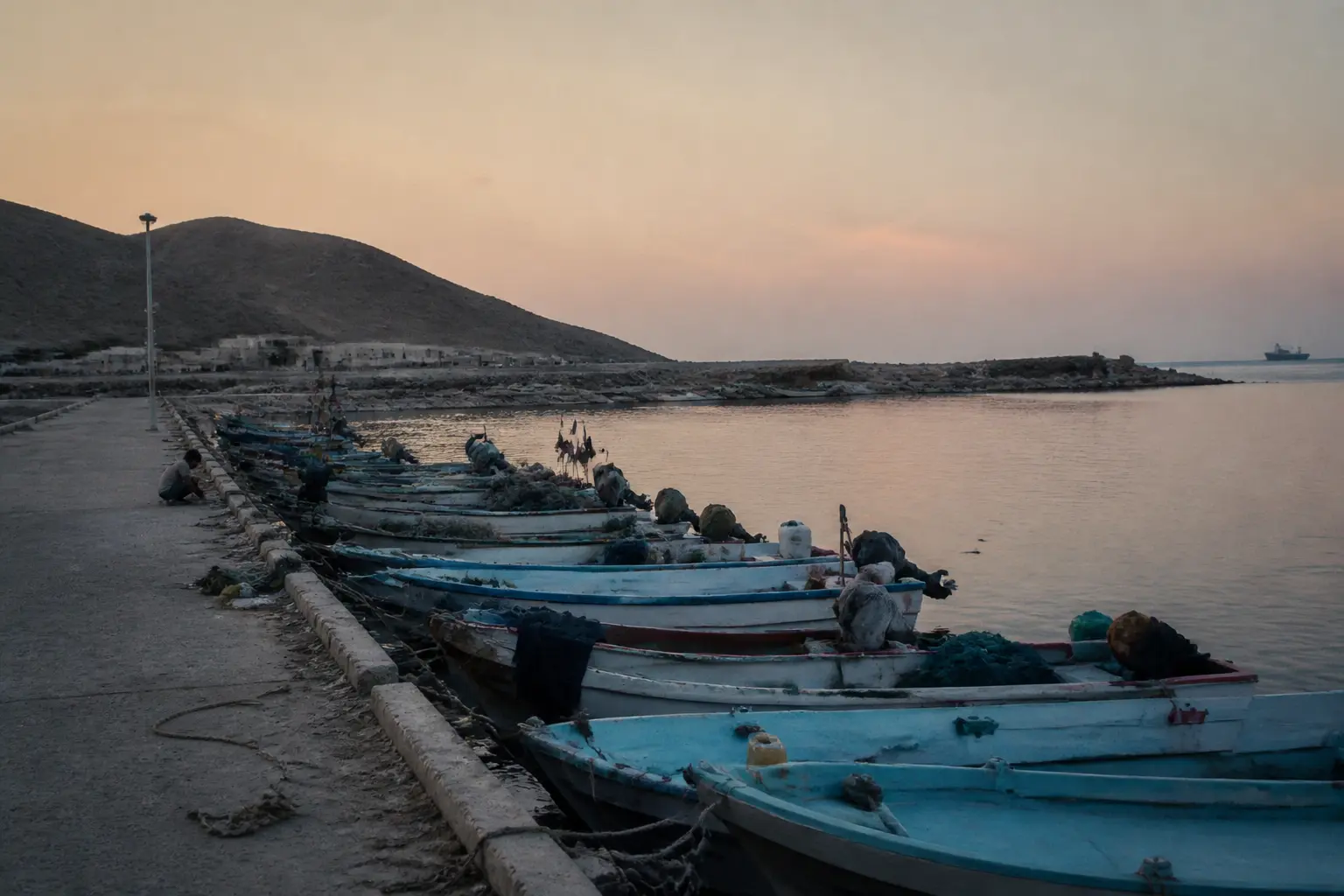
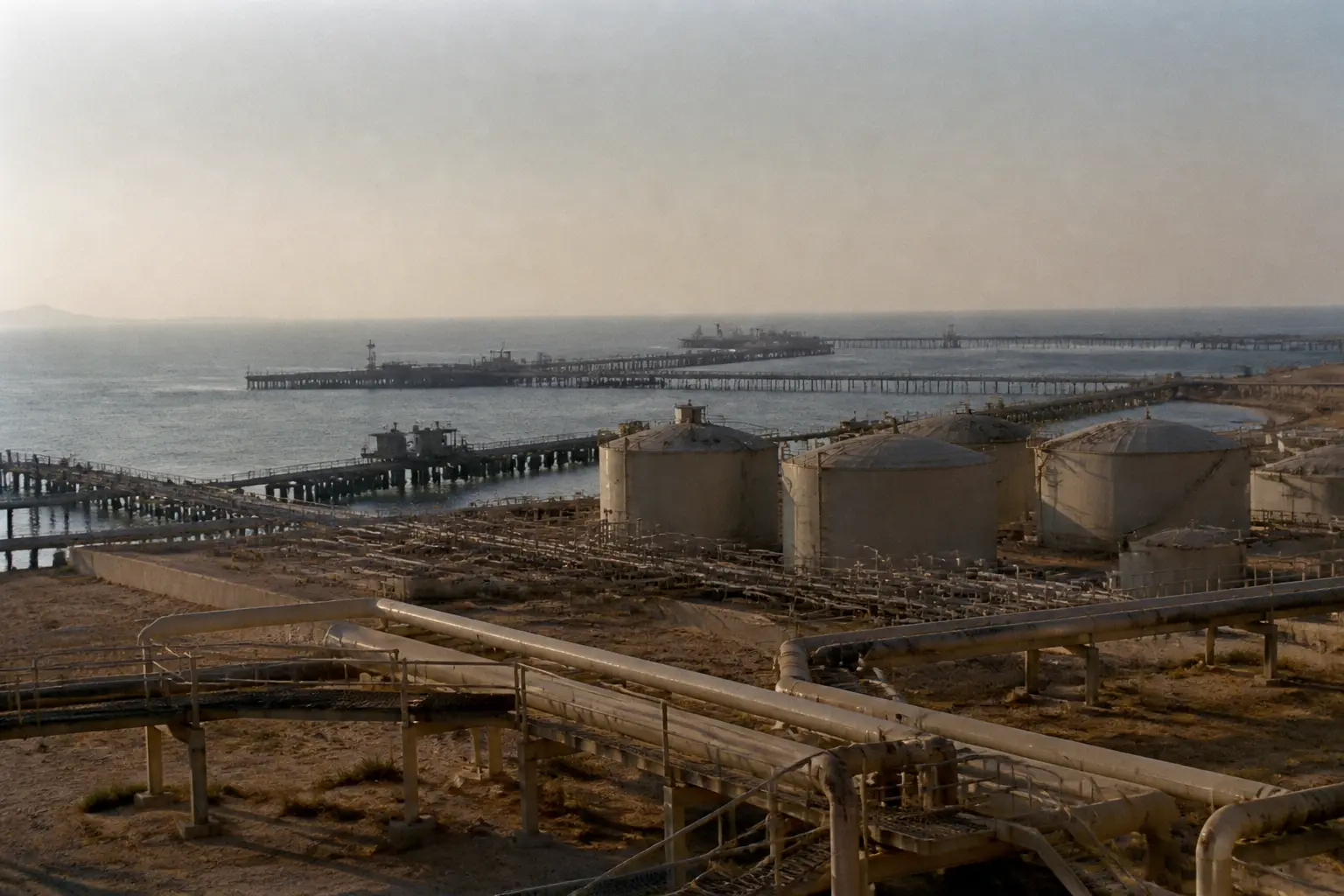
Tehran — American fighter jets struck a missile launch site on Iran's Qeshm Island on Tuesday evening, hours after at least five ships hit naval mines in the Strait of Hormuz, according to US and Iranian officials. By Wednesday morning, Iran's neighbours were under fire: Kuwait said it was countering what its military called "hostile drone threats," and Bahrain said its air defences had intercepted attacks from Iran.
Iran's official IRNA news agency reported that "the sound of five to six explosions was heard in the city of Qeshm," while the semi-official Fars agency quoted island residents describing several blasts north-west of the city. Ahmad Nafisi, the deputy governor of Hormozgan province, told IRNA the strikes caused no damage to residential or commercial districts and that "the situation on Qeshm Island is under control."
An American official, speaking anonymously, said the jets "used precision munitions to strike an Islamic Revolutionary Guard Corps (IRGC) missile launch site on Qeshm Island," describing it as a response to Iranian "aggression targeting US personnel and assets," The Hindu reported. The mine incidents earlier on Tuesday left at least five ships ablaze in the strait, according to Euronews. Tehran says vessels must use routes it designates as safe; Washington is escorting commercial shipping through the waterway in defiance of that demand.
The retaliation came quickly. Iran's army said on state television that its drones "targeted Patriot air defence systems and drone and missile launch platforms belonging to the terrorist US military at Ali Al-Salem Air Base in Kuwait." In Bahrain, home to the US Navy's Fifth Fleet, the Revolutionary Guards said their drones struck an American-operated radar at Sheikh Isa Air Base, calling it a reply to "repeated violations of Iranian airspace by US military drones." Manama said it destroyed the incoming attacks before they could hit their targets. Neither side's claims of damage could be independently verified.
The exchange is the latest turn in a war that began with US-Israeli strikes on Iran in late February and has since spilled into the Gulf states that host American bases, The Japan Times reported. Both capitals have stopped short of a full resumption of hostilities, but the Strait of Hormuz — a conduit for global energy shipments — remains the flashpoint.
For residents of the Gulf coasts, the wait is now a familiar one: air-raid alerts on their phones, interceptions overhead, and no word from Washington or Tehran on when the escorts, the mines and the strikes might end. Tankers have burned in the strait before; shipping firms and their crews are watching whether the waterway stays open at all.
Sources
This article is based on reporting from: