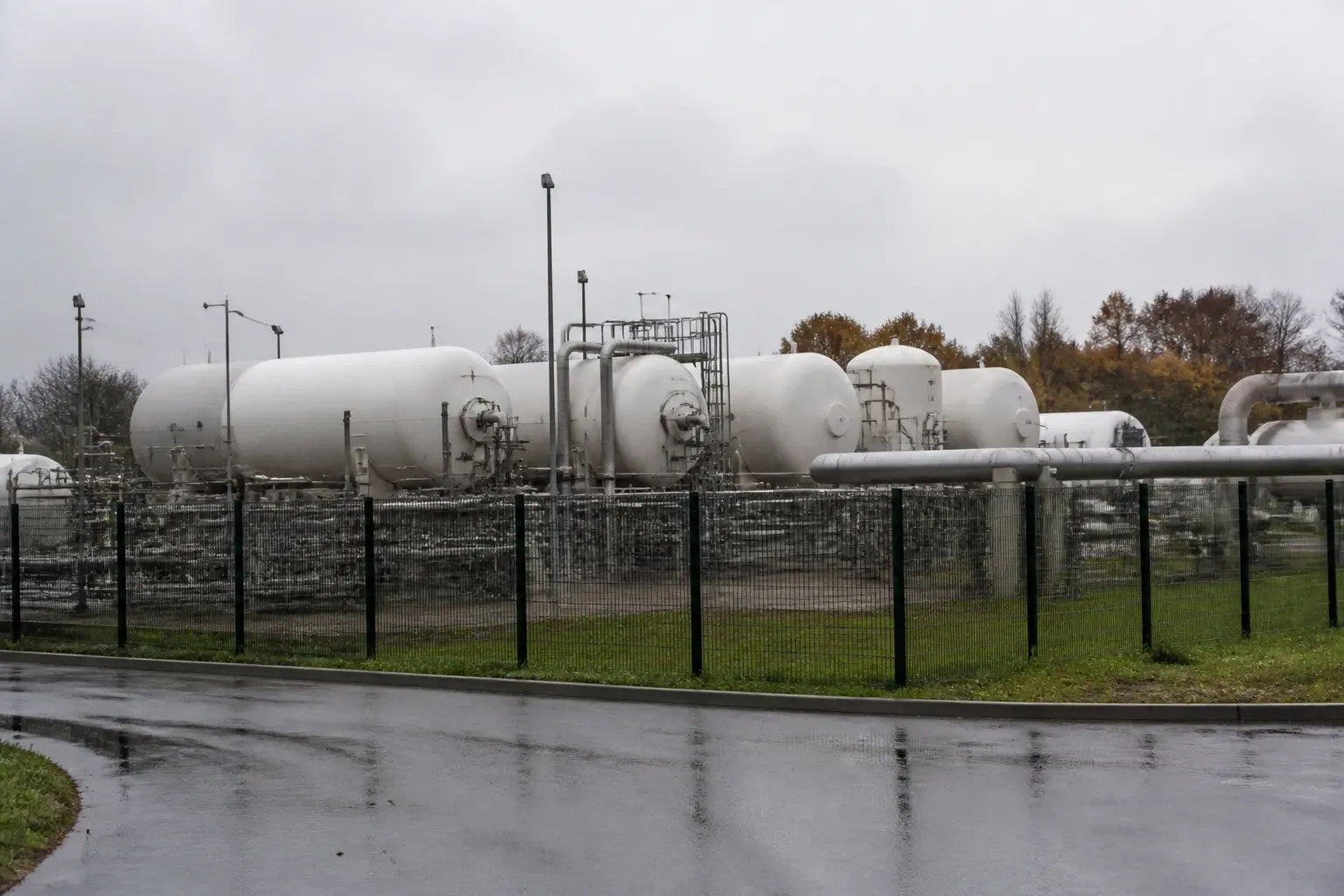
EU natural gas prices top €100 for first time since 2022
European natural gas passed €100 per megawatt hour as winter nears, with EU storage only 72% full and households warned of a difficult season.

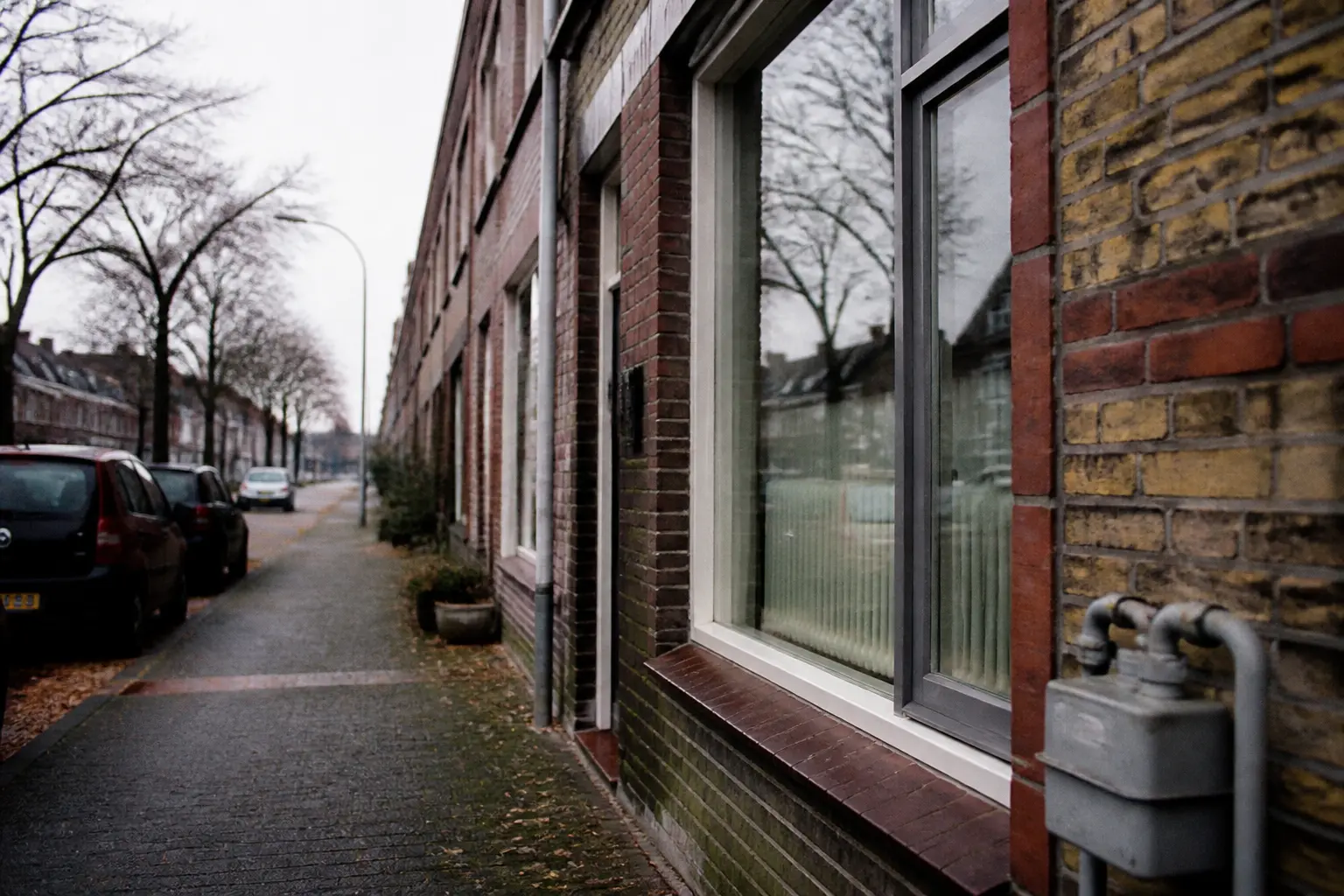
European natural gas prices have pushed past €100 per megawatt hour for the first time since 2022, the year Russia's full-scale invasion of Ukraine sent energy markets into crisis. The milestone, reported by France 24, lands just as winter approaches and households across the bloc brace for their heating bills.
The spike revives memories of the 2022 crunch, when gas became the single biggest driver of the continent's cost-of-living squeeze. Higher wholesale prices feed through to electricity bills and factory costs with a lag, meaning industry and consumers often feel the pain months after the market moves.
Brussels is projecting calm on supply while preparing the public for pain on price. The EU says it is not worried about securing enough gas, but its storage facilities are only 72% full, and it has warned households of a "difficult" season to come.
Governments are already moving to soften the blow. The UK government is attempting to cushion the impact of high energy bills, according to France 24. The squeeze is also rippling into unexpected corners of the economy: 200 passengers were left stranded in Cambodia after their multi-year cruise was cancelled because of high fuel costs, the broadcaster reported.
For European consumers, the immediate question is how much of the wholesale surge shows up in regulated tariffs and bills this winter, and how governments respond if prices stay at these levels through the cold months.
The next test will come as temperatures drop and storage levels are drawn down: any further fall below the current 72% fill rate, or a sustained stretch above €100 per megawatt hour, will sharpen pressure on EU governments to intervene before the peak of the heating season.
Sources
This article is based on reporting from: