European gas prices hit four-year high on winter supply fears
Wholesale gas reached €97 a megawatt-hour as cold weather, thin storage and fears of Middle East supply disruption drove the sharpest rise since 2022.

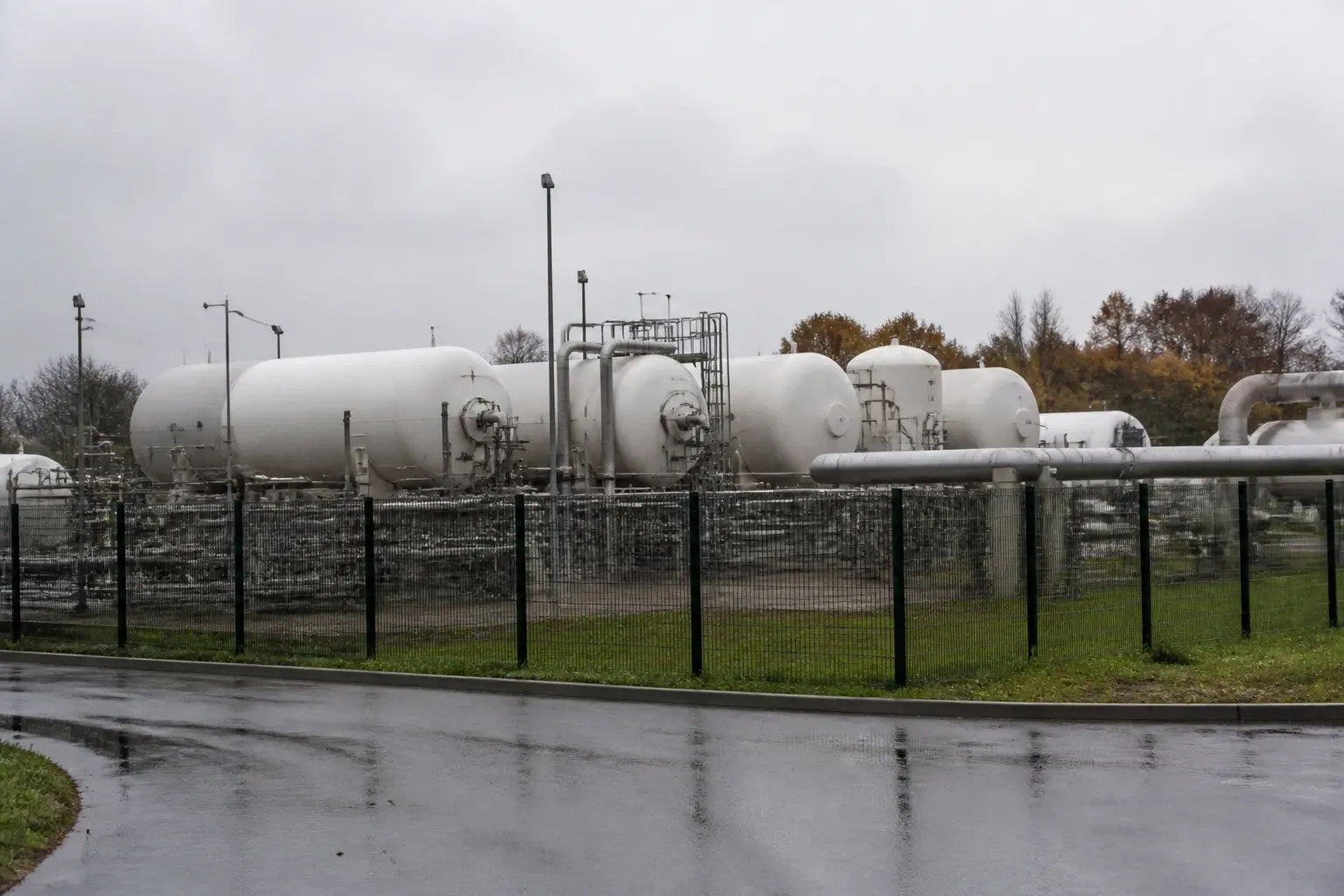
European gas prices have climbed to their highest level since 2022, as falling temperatures, depleted storage and fears of fresh Middle East supply disruption converge just as winter heating demand takes hold. Wholesale gas hit €97 (£81) a megawatt-hour on Monday, the Guardian reported.
The UK's month-ahead contract rose 4% to 240p a therm, its strongest level since December 2022, when prices were still surging in the wake of Russia's full-scale invasion of Ukraine. Traders are pricing in a colder spell across the continent and a heavier call on heating.
Behind the jump sit two anxieties. The first is geopolitical: reports that the US and Israel have drawn up plans for renewed strikes on Iran after the American midterm elections — a scenario Wide World News has been tracking — helped push oil as high as $117 a barrel on Friday. Brent crude eased about 2% on Monday but remains above $114. The second is arithmetic: European gas storage is roughly 75% full, against a seasonal average nearer 80%, after slower exports from Qatar and heavy summer consumption for cooling left reserves at their lowest in more than a decade.
Britain looks especially exposed. Regulators expect it to pay some of Europe's highest energy costs this winter, reflecting a reliance on imports and some of the continent's smallest gas stores after decades of leaning on North Sea production. The UK spent a record £4bn on power imports in the year to August, according to the Office for National Statistics, half of it on electricity from France. It has also made near-record payments to switch on gas plants while paying wind and solar farms to switch off, because of grid bottlenecks.
Households will feel it directly. British energy bills are predicted to rise 16% in January, taking the typical annual dual-fuel bill to about £2,000. Equity markets, at least, took Monday calmly: the Stoxx Europe 600 added 0.3% and the FTSE 100 gained 0.4% as oil retreated.
The immediate test comes in January, when the forecast bill rise lands — and in the weeks after the US midterms, when any decision on Iran strikes could either deflate the risk premium baked into prices or send it sharply higher.
Sources
This article is based on reporting from: