Curfews in France as riots and fake videos raise election stakes
Night curfews spread across French cities after the worst rioting in years, while fake AI videos turn the unrest into an election battleground.
 By Henrik LindqvistEurope correspondent 5 min read
Paris — France has placed parts of Paris and several other cities under night-time curfews after the worst rioting the country has seen in years, and Prime Minister Sébastien Lecornu has said the restrictions will be renewed wherever local officials judge them necessary. The decision turns the management of a street crisis over to the prefects — the state's appointed enforcers in each département — working in coordination with mayors.
The unrest erupted on Saturday on the margins of demonstrations in which more than half a million people marched peacefully against the rising cost of living, according to France 24. It comes six months before France elects a successor to President Emmanuel Macron, with the far-right's Marine Le Pen the frontrunner, and it has already drawn in foreign leaders whose commentary Macron — from Doha, on his way back from the Gulf — has dismissed as the product of fabricated videos and electoral opportunism.
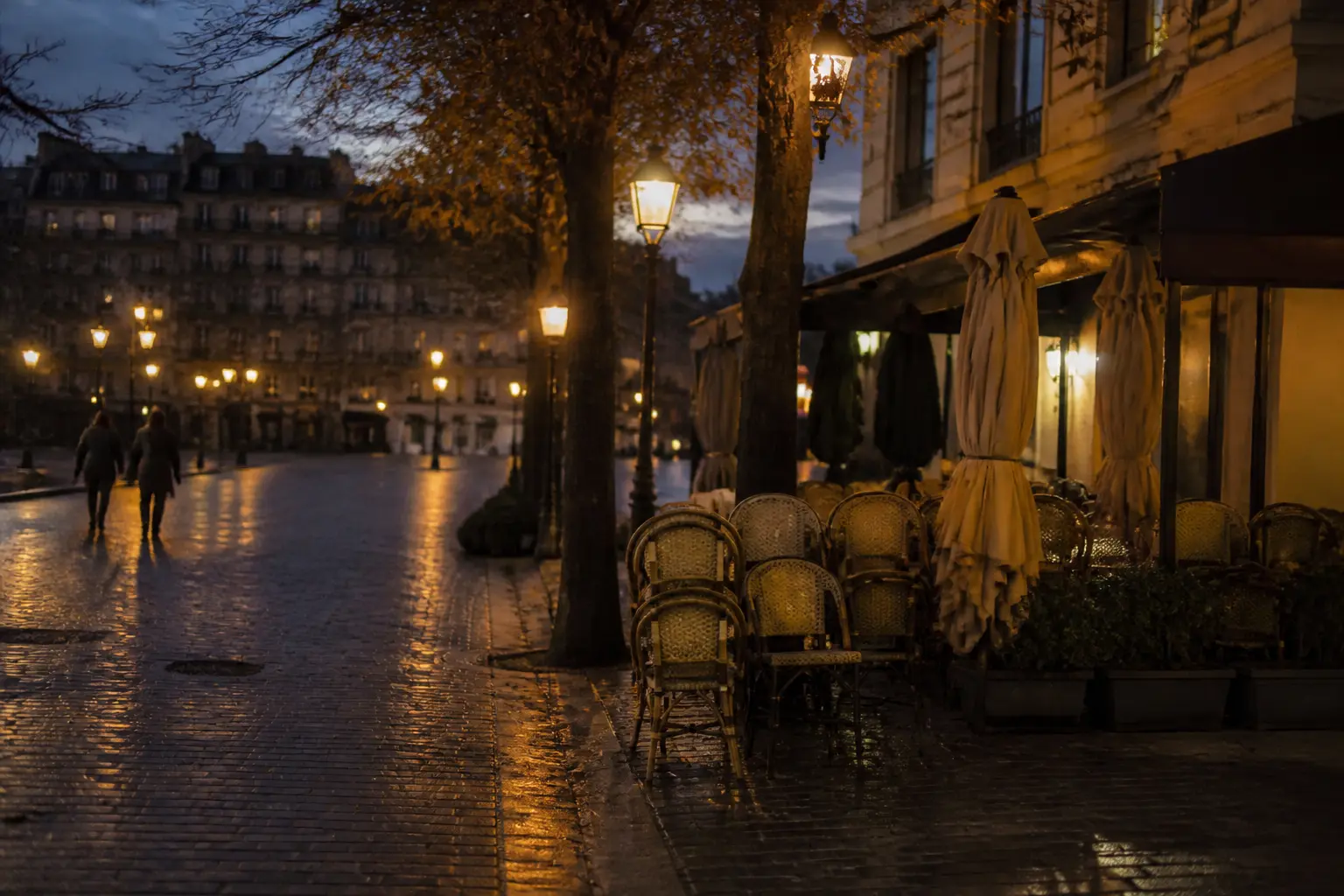
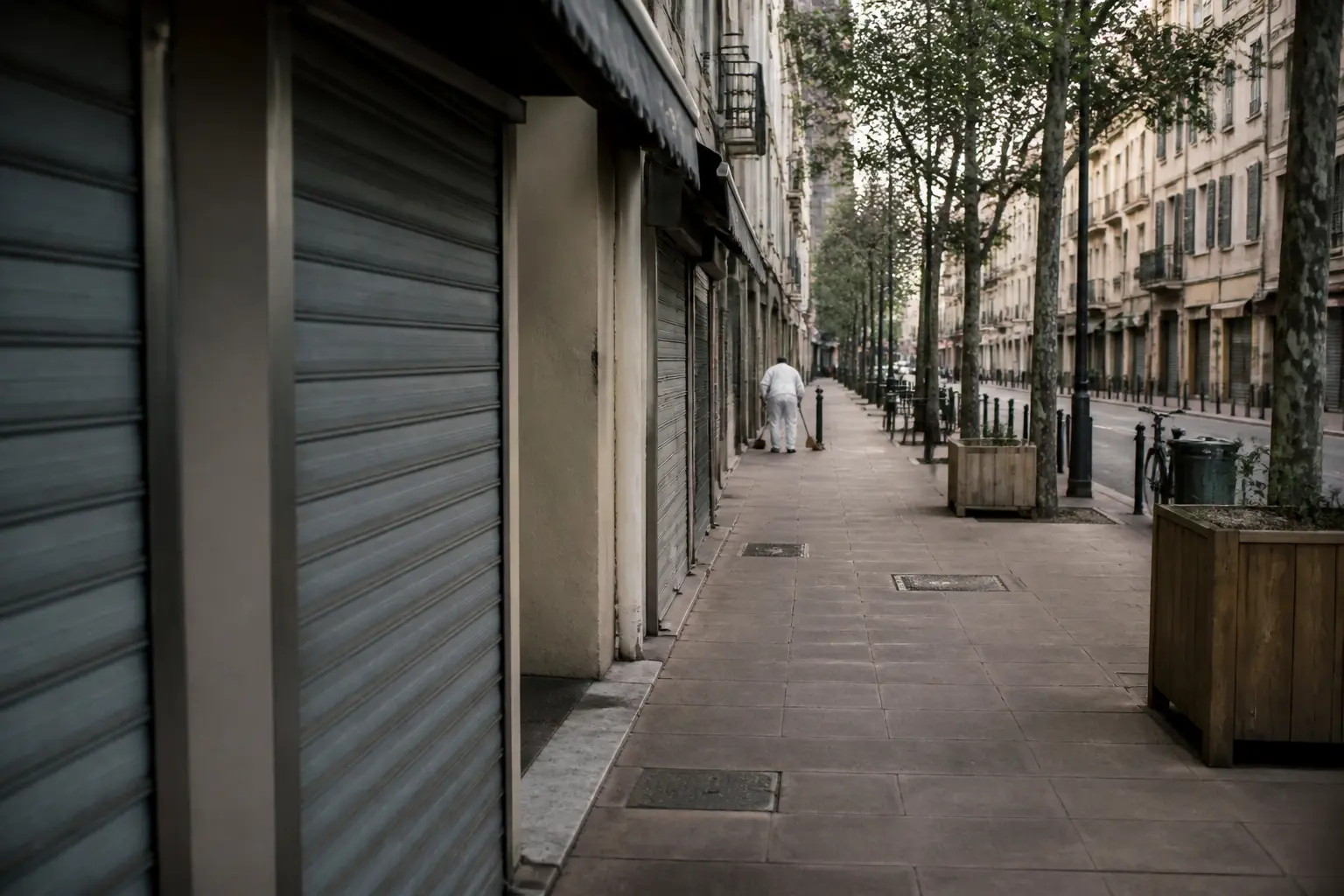
Paris, Bordeaux in the south-west and Nice on the Riviera introduced partial curfews on Monday night in zones judged prone to protest or looting, The Hindu reported. The Paris restrictions applied initially only for the night from Monday to Tuesday; those in Bordeaux and Nice were set to run for several days. During the night a helicopter swept a searchlight across the Place de la République, one of the epicentres of the weekend violence, to check compliance.
On Tuesday, Lecornu pronounced the experiment a success and extended it. "Targeted curfews have contributed to calm overnight," he wrote on X, adding: "Tonight new curfews will be decided where the situation requires it. These decisions will be made on the ground, by the prefects, in coordination with the mayors." Police confirmed the night had passed without major incidents across France. The measure of achievement, for now, is a quiet night — a modest bar for the country that polices the Champions League.
A police response the government itself concedes fell short
The curfews are the visible part of a government scrambling to recover from an admission of failure. The interior minister acknowledged that the police were underprepared for the scale of the riots, The New York Times reported, while Lecornu defended their efforts and pledged to restore order. Those two positions — an admission and a defence — now run in parallel, and ministers have promised a vastly reinforced security operation for the next round of demonstrations, with troops expected to be deployed alongside additional police.
The bill is already being counted. Patrick Martin, head of the Medef business lobby, on Tuesday accused the state of having "failed" during unrest that hit at least 3,000 businesses, according to preliminary estimates. Finance Minister Roland Lescure pledged support measures for shopkeepers and craftspeople, and the government scheduled another series of emergency meetings on Tuesday, including talks with representatives of major social media platforms — a sign of where officials believe some of the weekend's accelerant came from.
In Lyon, where a tourism office was set on fire during the rioting, around 500 people gathered on Monday evening outside the building in support of looted shopkeepers, according to organisers, despite a ban on demonstrations. Candles were arranged on the ground to spell the city's name, and a banner nearby combined a message against rioters with a call for the city's Green mayor, Grégory Doucet, to resign, an AFP journalist at the scene said. Local political scores, it turns out, are being settled inside the national one.
The fake videos and the foreign chorus
By Wednesday the story had acquired a second front. Speaking to reporters in Doha after a Gulf trip, Macron accused unnamed foreign powers of peddling fabricated images of the violence and took aim at foreign leaders who had amplified them. He named no one. He did not need to: US President Donald Trump faces midterm elections in November, and Israeli Prime Minister Benjamin Netanyahu fights an election this month, and both had weighed in.
Netanyahu said on Tuesday that France had been hit by an "invasion of extremist Islam". Trump declared that "what's happening in France has to do with immigration" and hailed Le Pen as a "conservative voice". Macron said leaders campaigning for elections had repeated material generated by artificial intelligence "sometimes with credulity".
"There was foreign manipulation of information which led to unacceptable and even stupid comments by many, including foreign leaders," Macron told reporters in Doha.
Macron described AI-generated images circulating online that purported to show scenes of violence in France that never actually happened, and said some people had used them to claim the country had been overrun by migrants and Islamists — a claim he said was entirely false.
The president drew a careful line. He emphasised that he did not see "foreign interference" in what actually unfolded in France at the weekend — the disorder, in other words, was home-grown even if the commentary was not. "In these moments you see who likes France and who does not," he added. "All the people who speak badly of us now do not like our country." The remark folded a policing failure, an information war and an election campaign into a single sentence, which is roughly where French politics now sits.
Saturday will test the government's promise
The immediate problem is the calendar. Another wave of cost-of-living demonstrations is planned for the coming Saturday, on top of four weeks of student protests that have closed many schools — demonstrations The Hindu reports were driven by poor learning conditions in high schools. The peaceful majority of last Saturday's marchers has been largely written out of the international version of events, but it is that constituency, squeezed by prices, that any successor to Macron will have to answer to.
Macron, criticised at home both for travelling to the Middle East during the crisis and for a Sunday address to the nation that critics said lacked a clear path forward, insisted before returning that he was in control. "Those who want to cause disorder in city centres next Saturday will be prevented from doing so," he said. "There must be no wavering at the top of the state." Government ministers have acknowledged shortcomings in the initial response and promised that Saturday's policing will look nothing like it.
The longer game is the presidential election. Le Pen's frontrunner status, the blessing of a sitting US president, and a government forced to defend its basic competence on law and order — traditionally the right's ground — have shifted the terrain six months out. Macron, constitutionally unable to run again, is now in the position of stewarding a calm he can no longer benefit from politically, while the candidate who would replace his movement inherits the anger.
The next decision points come quickly. On Thursday, Macron meets intelligence officials, Lecornu and other ministers for what he described as a detailed account of the 17 October unrest — the first test of whether the state understands how it was caught out. On Saturday, the prefects, the troops and the curfews face their first full rehearsal. After that, the campaign begins in earnest, with the question of who can keep a French night calm now firmly on the ballot.
Sources
This article is based on reporting from: