Putin agrees to resume Ukraine talks as missiles hit Kyiv
Putin says Russia will resume three-way talks with Kyiv and Washington on a final settlement, hours before missiles killed at least two in Kyiv.
 By Henrik LindqvistEurope correspondent 5 min read
Kyiv — Russia has agreed to resume three-way peace talks with Ukraine and the United States, President Vladimir Putin said on Thursday, framing the negotiations as a route to a final settlement rather than a temporary ceasefire. Hours later, Russian ballistic missiles struck Kyiv in what Ukrainian officials described as a deliberate attack on civilians, killing at least two people and wounding 22, including four children, The Guardian reported.
The twin events — an offer of talks and a barrage on the capital — have sharpened the central question hanging over the US-brokered effort: whether Moscow is building leverage or genuinely seeking an end to the war. Ukrainian President Volodymyr Zelensky said the timing was no accident and showed there had been, in his words, no real change in Russia's attitude.
What is confirmed: talks, and a strike within hours
The confirmed sequence is this. On Wednesday, the US special envoy Steve Witkoff met Putin at the Constantine Palace in Saint Petersburg, after the Kremlin agreed to resume trilateral peace talks with Ukraine and the United States, according to France 24. On Thursday, Putin told a reporter from Russian state television that Moscow was ready to resume the three-way format, but on the security parameters of a final peace deal rather than a short truce, The Hindu reported.
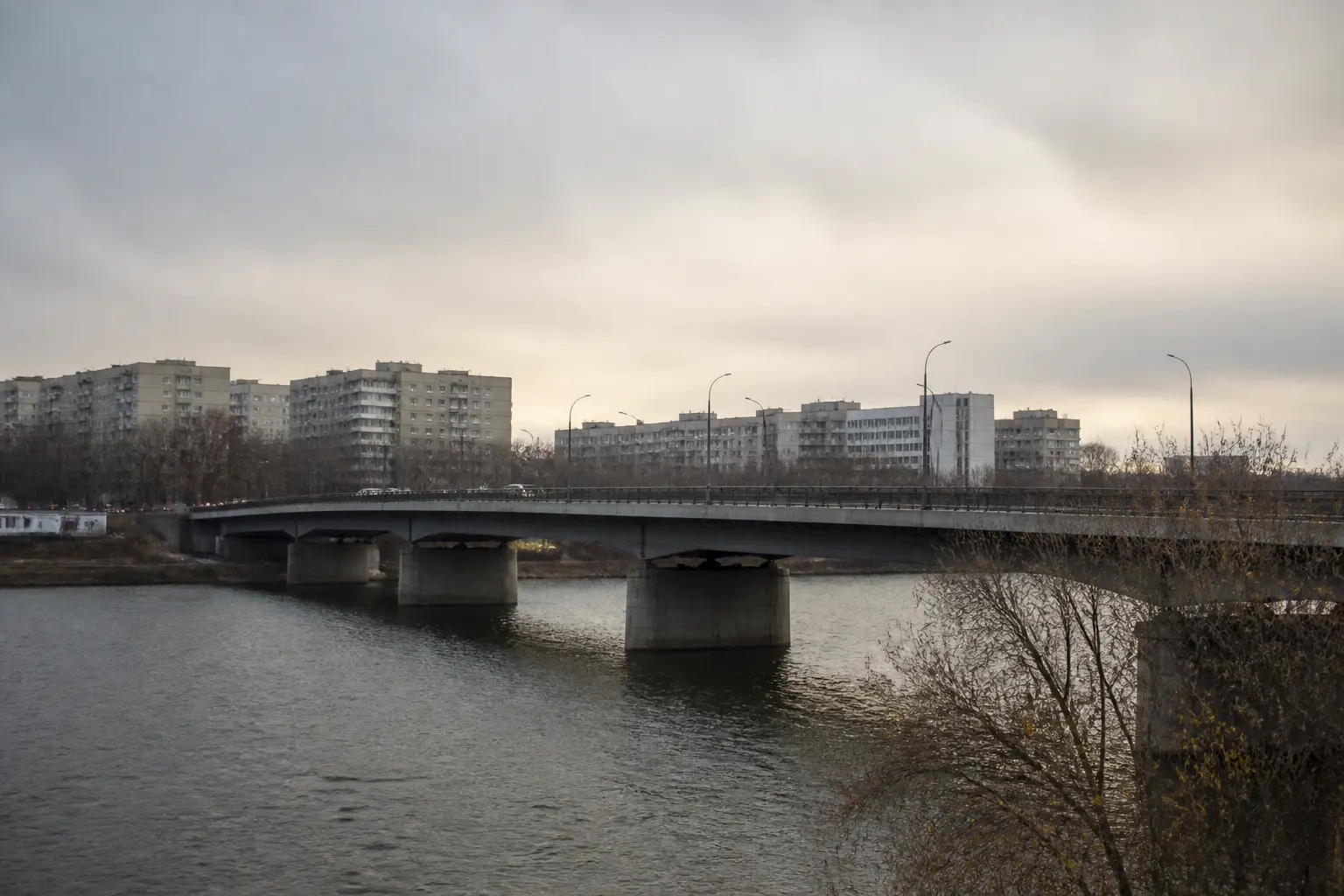
Overnight, Moscow pounded Kyiv. Targets included the southern bridge over the Dnipro River, civilian houses, energy infrastructure, an ambulance station, office buildings and a clinic, The Guardian reported. One missile struck the Pecherskyi district, damaging several historic structures, including a monastery. Zelensky said three of the missiles carried cluster warheads.
So within the space of roughly a day: a Kremlin commitment to sit down with Kyiv and Washington, and what The Guardian called a massive, demonstrative attack on the Ukrainian capital. Both are on the record. What they add up to is not.
What Putin actually said about the talks
Putin's own formulation is worth quoting precisely, because it sets the terms Moscow wants. "The goal of these discussions will be to address the issue of ensuring security for both Ukraine and Russia... within the framework of a final agreement, not after some kind of short pause in fighting," he told state television, as quoted by The Hindu.
Translated from the diplomatic register: Moscow is rejecting a ceasefire-first sequence, in which fighting stops and details are negotiated later. It wants security guarantees — for itself as well as Ukraine — settled as part of one comprehensive agreement, with the guns still firing in the meantime. That is a negotiating position, not a decision. Nothing has been signed, no date for the next session has been announced in the reporting available, and no agenda has been published.
The distinction matters because it determines what the war looks like while diplomats talk. Under Moscow's preferred order, military operations continue until a final deal exists — which, as Thursday night demonstrated, is not a hypothetical concern for Kyiv.
Kyiv's reading: a deliberate signal, not an accident
Zelensky's response, reported by The Guardian, was blunt about what he believes the strike was for. "This is another extraordinarily revealing strike – revealing, because it was no accident," he said. "The choice of weapon was deliberate; the choice of target area was deliberate, and so was the intent to inflict as much loss and damage on civilians as possible."
He added: "Almost immediately after another round of talks, Russia launched a pointed attack. This means there has been no real change in its attitude toward" peace. That is the Ukrainian government's assessment, and it is a claim about Russian intent — plausible, forcefully argued, but not independently verifiable from the outside. Moscow, in the material available, has not explained the timing of the strike.
Experts cited by The Guardian offered a related reading: that Russia is trying to destroy Ukrainian energy infrastructure before winter, and that US "appeasement and flattery" will not achieve peace. Again, these are assessments by unnamed experts quoted by the newspaper, not established fact — but they point to a military logic that sits awkwardly beside a peace offer.
Separating the confirmed from the claimed
Given how much of this story runs through official statements, it helps to sort it plainly:
- Confirmed: Witkoff met Putin in Saint Petersburg on Wednesday; the Kremlin agreed to resume trilateral talks with Ukraine and the US; Putin publicly said the talks should cover a final agreement, not a short pause; Russian missiles struck Kyiv overnight, killing at least two and wounding 22, including four children, according to The Guardian's reporting.
- Claimed by Kyiv: the strike was a deliberate, timed message showing Moscow is not serious about peace; three of the missiles carried cluster warheads, according to Zelensky.
- Claimed by experts quoted by The Guardian: Russia is targeting energy infrastructure ahead of winter, and Washington's approach to Moscow will not deliver peace.
- Unknown: the date, venue and agenda of the resumed trilateral session; what the US put to Putin in Saint Petersburg; whether Ukraine has accepted the format; and what 'security for both Ukraine and Russia' would concretely mean in any draft text.
Why the gap between words and evidence matters
The practical stakes run in two directions at once. If the talks are genuine, they are the first structured three-way channel Moscow has rejoined in this format, with Washington in the room — a format Ukraine has long wanted precisely so that no bilateral US-Russia arrangement is struck over its head. If they are theatre, then every week of talking is a week in which the energy grid can be degraded further before the cold sets in, which is exactly what the experts quoted by The Guardian suspect is now under way.
For Washington, the Witkoff trip is itself a commitment of political capital. The envoy thanked Putin at the Saint Petersburg talks, according to France 24's reporting, which noted the meeting took place at the Constantine Palace. What concrete understandings, if any, the American side carried home has not been disclosed in the available coverage.
The next decision point is procedural, which in diplomacy is often the most telling kind: whether a date and agenda for the resumed trilateral session are actually announced, and whether Kyiv accepts Moscow's demand that everything be folded into one final settlement rather than a ceasefire first. Until a delegation sits down on named dates, Putin's readiness for talks remains a statement. The missiles over Kyiv, by contrast, were an action. The gap between the two is where the next weeks of this war will be decided.
Sources
This article is based on reporting from: